Quick Facts
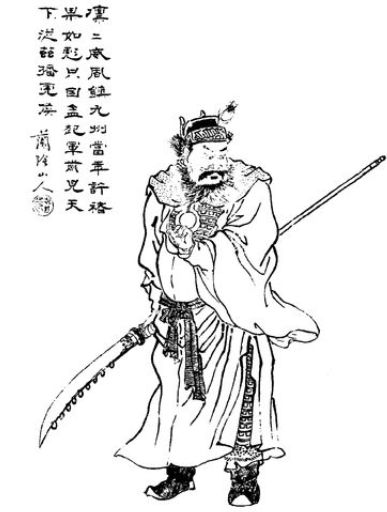
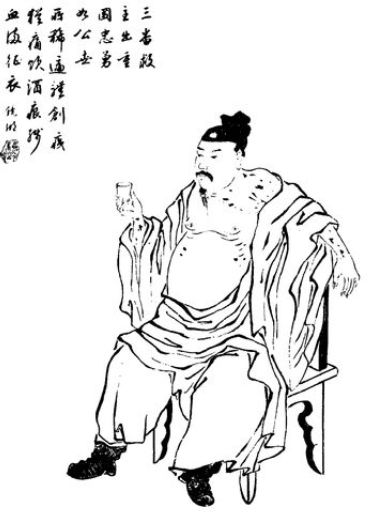
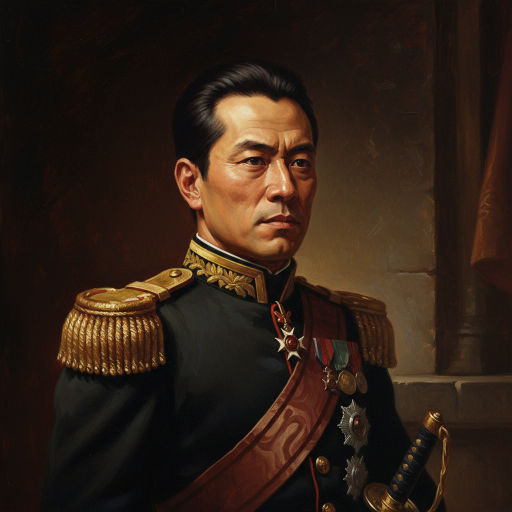
A fearsome Han-era bodyguard renowned for unmatched strength, unwavering loyalty, and a legendary last stand at Wan Castle.
Conversation Starters
Life Journey
Born in the Eastern Han period as central authority weakened and local strongmen gained power. His early life is sparsely recorded, but later sources place his origins in the Chenliu region, a recruitment base for many soldiers.
In his youth he gained a reputation for remarkable physical power and courage, traits prized in an age of banditry and militia warfare. Stories of him wielding heavy weapons and standing firm in brawls helped spread his name among local leaders.
After a violent dispute, he killed a man and became a wanted fugitive, reflecting the brutal justice and private vengeance common in late Han society. He reportedly relied on trusted companions and constant movement to evade arrest and retaliation.
As Dong Zhuo seized Luoyang and coalition armies formed, North China descended into constant campaigning and shifting alliances. The chaos created opportunities for talented fighters to enter warlord service, setting the stage for his later employment.
He entered the service of Cao Cao, who was building a disciplined army in Yan Province and attracting capable men. Dian Wei’s battlefield composure and intimidating presence quickly drew attention in an army that valued strict guard duty and merit.
During campaigns to secure territory and suppress disorder, he fought with ferocity and held positions others could not. Cao Cao’s staff viewed him as ideal for close protection because he remained steady under pressure and followed orders precisely.
Cao Cao placed him among the inner guards, a role requiring constant proximity to command tents and personal quarters. In a period of assassinations and surprise raids, this appointment signaled exceptional trust and elevated his standing in the camp.
When Lü Bu seized much of Yan Province with support from Zhang Miao, Cao Cao’s position became perilous and camp security was paramount. Dian Wei’s role as a steadfast guard helped stabilize Cao Cao’s headquarters during reversals and counterattacks.
As Cao Cao regained territory and tightened administration, reliable bodyguards became as important as frontline commanders. Dian Wei’s vigilance deterred internal threats and allowed Cao Cao to negotiate, punish defectors, and reorganize forces with confidence.
Cao Cao brought Emperor Xian to safety and established control over the imperial court, reshaping legitimacy in the late Han. Dian Wei, stationed close to the leader, stood guard during tense transitions when rivals sought to seize the emperor’s person.
As campaigns expanded, Dian Wei received recognition within the military hierarchy for consistent performance. His promotions reflected a practical standard: a guard who could fight, intimidate would-be attackers, and remain loyal amid shifting politics.
Cao Cao marched into Nanyang to deal with the warlord Zhang Xiu, whose submission and resistance repeatedly shifted. Dian Wei accompanied the expedition as close protection, aware that negotiations in enemy territory often ended in sudden violence.
After Zhang Xiu submitted, Cao Cao’s actions and court intrigues strained the fragile peace, creating resentment inside Zhang Xiu’s camp. The atmosphere in Wancheng became volatile, and Dian Wei’s guard detail faced heightened risk of betrayal.
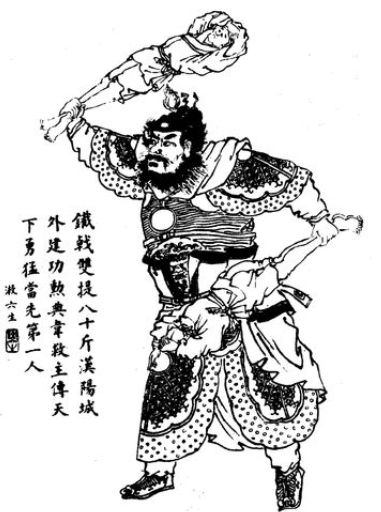
Zhang Xiu launched a surprise attack on Cao Cao’s encampment, aiming to kill or capture him in the confusion. Dian Wei held the approaches, buying time as Cao Cao escaped the collapsing camp and officers scrambled to form a defensive line.
In the chaos at Wan Castle, Dian Wei reportedly fought on despite wounds, refusing to abandon his post at the gate and choke points. His resistance delayed pursuers long enough for Cao Cao to withdraw, and his death became a model of loyal sacrifice in later memory.
Cao Cao is said to have grieved deeply, recognizing that Dian Wei’s loyalty likely saved his life and preserved the army’s leadership. The loss was recorded in historical tradition and later amplified in storytelling as a defining example of devotion in wartime.