Quick Facts
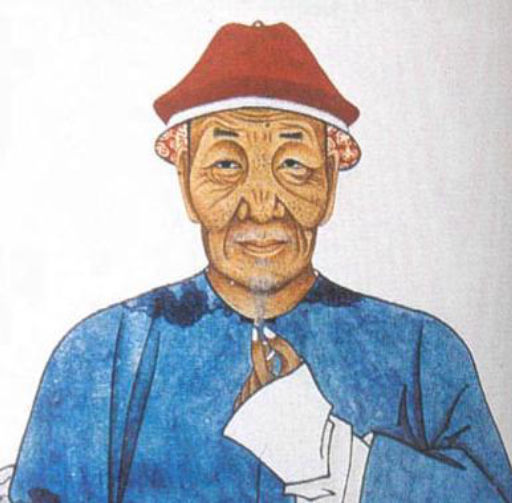
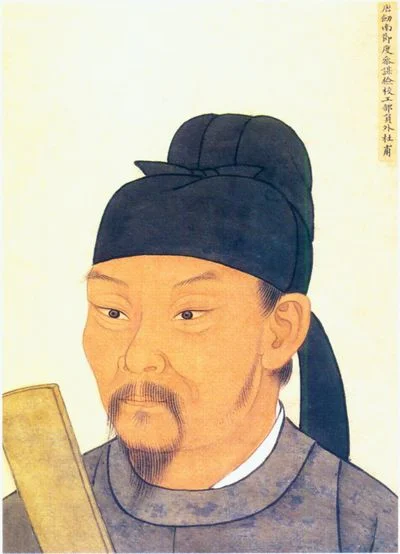
China's Shakespeare. Tang Dynasty poet whose verses captured war, loss, and the human soul.
Conversation Starters
Life Journey
Du Fu was born into a scholarly family during the golden age of the Tang Dynasty. His grandfather had been a noted poet, and the young Du Fu would surpass him to become one of China's greatest literary voices.
Du Fu began composing poetry at the remarkably young age of seven. He later recalled proudly that he could already write about phoenixes—auspicious symbols requiring sophisticated understanding of literary tradition.
The teenage Du Fu began frequenting the homes of prominent scholars and officials in Luoyang. His precocious talent earned him attention from established writers who would influence his developing style.
Du Fu embarked on years of travel through southern China, visiting famous sites and meeting other poets. These wanderings expanded his worldview and provided material for countless future poems.
Du Fu failed the imperial civil service examination in Chang'an. This disappointment began a pattern of professional frustration that would mark his life, though it also freed him to develop his art.
Du Fu met the great poet Li Bai, beginning one of literature's most celebrated friendships. Though different in temperament and style, they recognized each other's genius and exchanged poems throughout their lives.
Du Fu married and began raising a family in Chang'an. His deep love for his wife and children would infuse his poetry with tender domestic scenes rare in classical Chinese literature.
After years of struggle, Du Fu finally received recognition when Emperor Xuanzong read his poems with approval. He was given a minor ceremonial position, though the salary was inadequate to support his family.
The catastrophic An Lushan Rebellion shattered Tang prosperity and transformed Du Fu's poetry. He witnessed the dynasty's collapse firsthand, and his work became a chronicle of war's devastation.
Du Fu was captured by rebel forces occupying Chang'an. During months of captivity, he wrote some of his most poignant poems about separation from family and the sufferings of common people.
Du Fu escaped rebel-held Chang'an and made his way to the exiled court. The new Emperor Suzong, moved by his loyalty, appointed him to a minor advisory position—his highest official rank.
Du Fu's outspoken criticism of a powerful minister led to his effective banishment to a minor post. He left the capital forever, beginning years of wandering that would produce his greatest poetry.
With help from friends, Du Fu built a simple thatched cottage in Chengdu. This humble dwelling became one of literature's most famous homes, the setting for poems celebrating simple pleasures amid hardship.
Du Fu composed his famous poem about autumn wind destroying his cottage roof while he worried about all homeless people suffering in storms. This work exemplified his compassion for common people.
Political instability forced Du Fu to leave his beloved cottage and begin wandering again. He traveled by boat through the Yangtze gorges, writing sublime landscape poetry despite declining health.
During a two-year stay in Kuizhou, Du Fu composed some of his most technically accomplished works, including the famous 'Autumn Thoughts' series—considered pinnacles of regulated verse form.
Ill and impoverished, Du Fu continued drifting southward by boat, still composing poetry. His final works showed undiminished creative power despite physical suffering and awareness of approaching death.
Du Fu died on a boat on the Xiang River, far from home and family. Though he died in obscurity, later generations recognized him as the 'Poet-Sage'—China's greatest poet, whose compassion and artistry remain unsurpassed after twelve centuries.