En bref
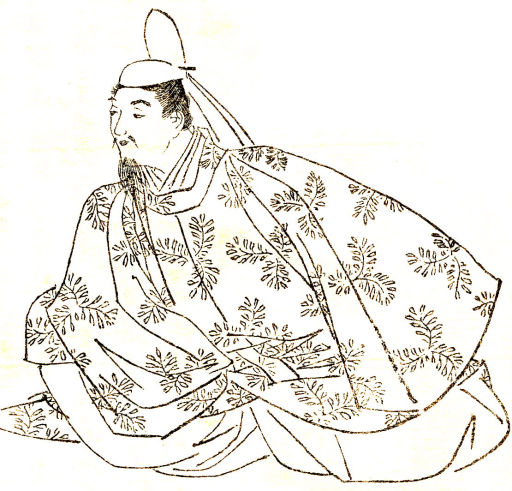
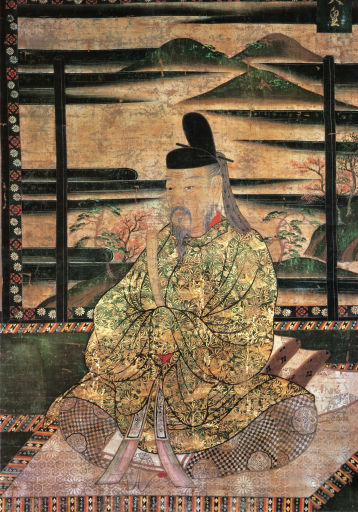
Souverain de l’époque de Heian, il stabilisa la politique de cour, encouragea une gouvernance inspirée des modèles chinois et devint célèbre pour la finesse de sa calligraphie et de sa poésie.
Sujets de conversation
Parcours de vie
Né de l’empereur Kanmu à la cour de Heian, dans la région de la nouvelle capitale. En tant que prince Kamino, il grandit au milieu d’efforts visant à renforcer le pouvoir central et à contenir les grandes familles aristocratiques.
Il voit son père, l’empereur Kanmu, établir Heian-kyô comme capitale permanente, transformant la vie de cour et l’administration. Les avenues planifiées et les palais de la nouvelle ville deviennent le théâtre de son futur règne.
Après la mort de l’empereur Kanmu, l’empereur Heizei accède au trône et des factions se forment rapidement autour de la succession et des orientations politiques. La position du prince Kamino devient centrale tandis que les ministres débattent de stabilité et de légitimité.
Lorsque l’empereur Heizei abdique pour cause de maladie, le prince Kamino devient l’empereur Saga et hérite d’une cour sous tension. Il s’appuie sur de hauts nobles et sur la bureaucratie issue des codes pour affirmer la continuité et l’autorité.
L’empereur retiré Heizei et son alliée Taira no Kusuko tentent de rétablir leur influence, déclenchant une lutte dangereuse pour le contrôle. Saga agit rapidement pour isoler ses adversaires, préservant l’ordre de la cour sans guerre civile prolongée.
Après la crise, Saga consolide le gouvernement central en récompensant les fonctionnaires loyaux et en sanctionnant les factions hostiles. L’issue renforce le contrôle de l’empereur régnant sur les nominations et la prise de décision à la cour.
Saga stimule la poésie de style chinois et l’instruction bureaucratique, renforçant le prestige des lettrés. Il met le raffinement culturel au service de l’unité des élites et de la légitimation des politiques par des références classiques communes.
Il soutient les codes formels de l’État, en insistant sur des rangs, des charges et des procédures de cour clairement définis. Une gouvernance plus régulière aide les familles aristocratiques à rivaliser par le service plutôt que par la violence factionnelle.
La calligraphie et la poésie de Saga deviennent des modèles pour la noblesse, reliant l’autorité esthétique au leadership politique. Lors des banquets et des cérémonies, la performance artistique renforce la hiérarchie et la loyauté au sein du palais.
Il maintient des rituels formels qui relient le trône à la légitimité ancestrale et à l’ordre public. Le protocole de cour façonne aussi la manière dont les rapports provinciaux et les nouvelles étrangères sont filtrés avant d’orienter les décisions à Heian-kyô.
Saga patronne des temples bouddhiques dont les rites sont censés protéger l’État, liant le mérite religieux à la gouvernance. Ces institutions servent aussi de centres intellectuels où moines et courtisans échangent leurs savoirs.
Il utilise promotions et affectations pour équilibrer les familles puissantes et réduire les incitations à la conspiration. En distribuant le prestige avec prudence, Saga maintient la compétition à la cour tout en la contenant dans des cadres cérémoniels et juridiques.
Sous Saga, les salons d’élite valorisent une écriture élégante, affinant l’identité culturelle de l’aristocratie du début de Heian. Ces réunions contribuent à définir des normes qui façonneront ensuite la littérature et le goût de la cour.
Saga abdique et installe l’empereur Junna, organisant une succession contrôlée afin d’éviter le retour des conflits de factions. Comme empereur retiré, il reste influent, guidant la politique et les alliances de cour en coulisses.
À l’abdication de Junna, l’empereur Ninmyô lui succède et la planification antérieure de Saga contribue à préserver la stabilité. L’équilibre entre autorité cérémonielle et pouvoir aristocratique se poursuit dans la continuité des orientations fixées durant le règne de Saga.
Dans ses dernières années, Saga s’éloigne de la gouvernance quotidienne et se consacre davantage à la dévotion religieuse et aux activités culturelles. Ce retrait reflète un schéma fréquent à Heian, où les souverains retirés recherchent mérite et sérénité après les luttes de pouvoir.
Saga meurt comme l’un des souverains marquants de son époque, réputé pour sa stabilité politique et son excellence artistique. Sa renommée de maître calligraphe et de mécène des lettres perdure dans la tradition de cour pendant des générations.