Informações rápidas
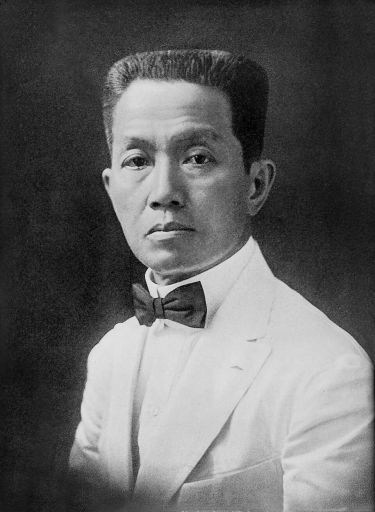
Líder revolucionário que proclamou a independência das Filipinas, navegou por alianças mutáveis e moldou o legado contestado da jovem república.
Iniciadores de conversa
Jornada de vida
Nasceu Emilio Famy Aguinaldo, filho de Carlos Aguinaldo e Trinidad Famy, numa família municipal de destaque sob o domínio colonial espanhol. A infância em Kawit expôs-o cedo à governação local, à posse de terras e ao crescimento das tensões anticoloniais.
Após a morte de Carlos Aguinaldo, abandonou a escolaridade formal e ajudou a gerir os assuntos da família em Cavite. A experiência aprofundou os seus laços com as elites locais e aguçou a sua compreensão das estruturas de poder municipal da era espanhola.
Tornou-se capitão municipal de Kawit, ganhando autoridade administrativa e influência em Cavite. O cargo colocou-o no cruzamento entre tributação colonial, policiamento e o crescimento de redes clandestinas de reforma e revolução.
Com a expansão da revolução após a insurreição do Katipunan, alinhou-se com a causa revolucionária e organizou forças em Cavite. A sua liderança local ajudou a transformar Cavite num teatro crucial contra guarnições espanholas e a autoridade apoiada por frades.
Liderou forças que obtiveram sucessos notáveis em Cavite, incluindo os combates em torno de Imus, elevando o seu prestígio entre os revolucionários. As campanhas demonstraram coordenação tática e alimentaram debates internos sobre liderança e estratégia.
Na Convenção de Tejeros, os revolucionários elegeram-no presidente de um novo governo revolucionário em meio a disputas faccionais. O processo contestado intensificou as tensões com Andres Bonifacio e reorganizou a estrutura de comando do movimento.
Após acusações de sedição, Andres Bonifacio foi preso, julgado por um tribunal revolucionário e executado em Maragondon. O episódio deixou uma controvérsia duradoura sobre justiça revolucionária, autoridade e a responsabilidade de Aguinaldo como líder.
Aceitou o Pacto de Biak-na-Bato com o governador-geral Fernando Primo de Rivera, concordando com o exílio em troca de reformas e uma indemnização. Aguinaldo e líderes-chave partiram enquanto os combates abrandaram, embora a desconfiança e a agitação persistissem.
No exílio, organizou um comité revolucionário em Hong Kong para angariar fundos e adquirir armas. O grupo acompanhou os acontecimentos em Manila e preparou-se para um novo conflito à medida que a posição espanhola enfraquecia durante a Guerra Hispano-Americana.
Regressou de Hong Kong quando forças dos Estados Unidos, sob o comando do comodoro George Dewey, combatiam a Espanha nas Filipinas. Aguinaldo reconstruiu o seu exército e reafirmou a autoridade revolucionária, esperando que a vitória sobre a Espanha permitisse a independência.
A 12 de junho, proclamou a independência na sua casa em Kawit e ergueu uma bandeira nacional enquanto uma banda tocava a Marcha Nacional Filipina. A declaração apresentou a reivindicação de um novo Estado, embora o reconhecimento internacional permanecesse incerto.
Depois de o Congresso de Malolos produzir a Constituição de Malolos, foi empossado presidente da Primeira República Filipina. O governo procurou legitimidade por meio de instituições, diplomacia e um exército regular, em meio à crescente pressão dos Estados Unidos.
O conflito armado irrompeu entre forças filipinas e norte-americanas após escaramuças perto de Manila, pondo fim a negociações frágeis. Aguinaldo liderou um governo em guerra com uma nova potência colonial, passando de batalhas convencionais para uma resistência móvel.
O general norte-americano Frederick Funston usou um estratagema envolvendo batedores macabebe para capturá-lo em Palanan, encerrando o seu comando ativo. Mais tarde, prestou juramento de lealdade aos Estados Unidos, instando os filipinos a aceitar a paz e o governo civil.
Disputou a eleição de 1935 da Comunidade, mas foi derrotado por Manuel L. Quezon, representante de uma nova ordem política. A campanha mostrou a visibilidade duradoura de Aguinaldo, mas também a mudança em direção a uma política partidária institucional.
Durante a ocupação japonesa, fez apelos públicos encorajando a cooperação, uma posição posteriormente julgada com dureza por muitos filipinos. Após a guerra, foi preso por alegações de colaboração, mas acabou por receber anistia.
O presidente Diosdado Macapagal transferiu a celebração oficial do Dia da Independência de 4 de julho para 12 de junho, alinhando-a com a proclamação de 1898 de Aguinaldo. A mudança elevou o seu papel simbólico na memória nacional, apesar de debates contínuos sobre as suas escolhas.
Morreu após testemunhar o domínio espanhol, a colonização norte-americana, a ocupação japonesa e a república do pós-guerra, fazendo da sua vida uma ponte entre grandes épocas. O seu legado permanece complexo: celebrado pela independência, contestado por decisões do período revolucionário.