Quick Facts
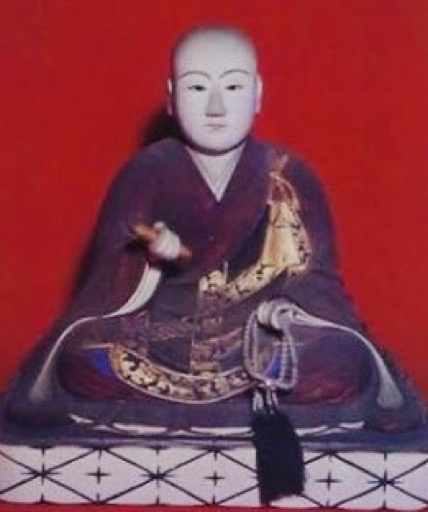
The legendary Nun Shogun of medieval Japan who wielded unprecedented political power. Wife of Minamoto no Yoritomo, founder of the Kamakura Shogunate, she became the de facto ruler after his death, guiding the shogunate through its most critical years.
Conversation Starters
Life Journey
Born as the eldest daughter of Hojo Tokimasa, a local warrior clan leader in Izu Province. The Hojo clan was a minor warrior family at this time, but Masako's birth would eventually lead to their rise to become the true rulers of Japan.
Married Minamoto no Yoritomo, an exiled prince of the Minamoto clan who was under her father's supervision. Their union was initially opposed by her father, but Masako's determination prevailed, and the marriage would reshape Japanese history.
Yoritomo raised an army against the Taira clan, beginning the Genpei War. Masako supported her husband throughout the conflict, managing affairs at their base in Kamakura while he conducted military campaigns across Japan.
Gave birth to her first son, Minamoto no Yoriie, who would later become the second shogun. As the mother of the shogunal heir, Masako's political importance grew significantly within the nascent Kamakura government.
The Minamoto clan achieved final victory over the Taira at the Battle of Dan-no-ura. Masako had been instrumental in maintaining stability in Kamakura during the war years, establishing herself as a capable administrator.
Yoritomo was appointed Sei-i Taishogun by the Emperor, formally establishing the Kamakura Shogunate. As the shogun's wife, Masako became the most powerful woman in Japan, actively involved in governmental decisions.
Her husband Yoritomo died suddenly after falling from his horse. Masako took Buddhist vows and became a nun, but rather than retiring from politics, she began her direct involvement in governance as the Nun Shogun.
Helped establish the Council of Thirteen to assist her young son Yoriie in governing. This council included her father Tokimasa and other powerful vassals, marking the beginning of the Hojo clan's rise to power within the shogunate.
Took the difficult decision to support the removal of her own son Yoriie from the position of shogun due to his incompetent and erratic rule. This demonstrated her commitment to the stability of the shogunate over personal family ties.
Conspired with her brother Yoshitoki to exile their own father Tokimasa after he attempted to install his stepson as shogun. This decisive action consolidated Hojo control and demonstrated Masako's unwavering commitment to the legitimate shogunate.
Supported her brother Yoshitoki in suppressing the Wada clan rebellion. This victory further strengthened Hojo dominance and eliminated one of the last powerful rivals to their control of the shogunate.
Her second son and third shogun Sanetomo was assassinated by his nephew at Tsurugaoka Hachimangu shrine. This tragedy ended the Minamoto line, but Masako ensured the shogunate's survival by arranging a Fujiwara prince as the new figurehead shogun.
Delivered her legendary speech rallying the samurai before the Jokyu War, reminding them of their debts to the late Yoritomo. Her words inspired the warriors to defend the shogunate against the imperial forces, resulting in complete victory for Kamakura.
The shogunate's forces, inspired by Masako's speech, crushed the imperial rebellion led by retired Emperor Go-Toba. This victory established the supremacy of the warrior government over the imperial court for centuries to come.
Died in Kamakura after decades of guiding the shogunate through its most turbulent period. Masako is remembered as one of the most powerful women in Japanese history, whose political acumen ensured the survival and prosperity of the Kamakura Shogunate.