Informações rápidas
Um espadachim errante e idealista cuja tentativa fracassada de assassinato se tornou um símbolo duradouro de coragem e determinação trágica.
Iniciadores de conversa
Jornada de vida
Jing Ke nasceu no fim da era dos Reinos Combatentes, quando a expansão de Qin ameaçava os reinos vizinhos. A guerra constante produziu espadachins errantes que trocavam habilidade e lealdade por patronato e proteção.
Na juventude, cultivou as artes esperadas de um espadachim errante, combinando prática da espada com música e maneiras refinadas. Num mundo de cortes rivais, reputação e compostura abriam portas tão certamente quanto uma lâmina.
Jing Ke deixou uma vida estável para viajar entre os estados em busca de patronos, um caminho comum para homens habilidosos sem forte apoio de clã. Aprendeu a ler alianças mutáveis e a sobreviver de apresentações, favores e bravura medida.
Circulou em ambientes que valorizavam lealdade, ousadia e generosidade, onde um único feito podia garantir fama para a vida toda. Histórias de assassinos e persuasores célebres corriam em tavernas e salões, moldando o seu senso de honra e destino.
O carisma e o autocontrole de Jing Ke ajudaram-no a obter apresentações em pequenas cortes e em casas abastadas. Essas redes mais tarde se mostraram cruciais, pois missões políticas dependiam de confiança, sigilo e intermediários confiáveis além-fronteiras.
À medida que os exércitos de Qin avançavam sob o rei Zheng, os estados vizinhos tornavam-se desesperados e internamente divididos. Jing Ke viu como o medo de Qin empurrava governantes para tramas arriscadas, incluindo diplomacia apoiada por violência e engano cuidadosamente encenado.
Passou um período em Yan, onde a corte temia que Qin em breve voltasse toda a sua força para o norte. O ambiente misturava refinamento e paranoia, e homens ambiciosos buscavam estratégias extraordinárias além da guerra convencional.
Jing Ke foi apresentado a Dan, o príncipe herdeiro de Yan, que havia vivido sob a influência de Qin e temia sua dominação. Dan reconheceu em Jing Ke uma rara combinação de ousadia e compostura adequada para uma missão que nenhum general aceitaria.
O príncipe Dan propôs matar o rei Zheng de Qin para interromper o ímpeto de Qin e ganhar tempo para Yan. Jing Ke aceitou apesar das probabilidades, sabendo que o fracasso significava morte, mas o sucesso poderia alterar o equilíbrio entre os estados restantes.
A trama exigia um presente convincente o suficiente para garantir entrada na corte de Qin, onde armas eram restritas e a suspeita era alta. Os planos concentraram-se em apresentar um mapa de território e a cabeça decepada de um inimigo para sinalizar submissão e sinceridade.
Jing Ke escolheu Qin Wuyang como companheiro, esperando que um homem mais jovem ajudasse a carregar os presentes e a controlar o momento do ataque. A escolha aumentou o risco, pois o nervosismo na corte podia desfazer a encenação cuidadosa necessária para alcançar o rei de Qin.
Uma adaga afiada foi escondida no mapa enrolado, transformando uma oferta diplomática numa arma ao alcance da mão. Jing Ke praticou a sequência de gestos para que a revelação parecesse natural, reduzindo ao mínimo os segundos de reação dos guardas de Qin.
Com Qin apertando o cerco aos estados rivais, a liderança de Yan via cada vez menos opções de sobrevivência. O príncipe Dan ampliou o apoio à missão, tratando Jing Ke como último recurso quando diplomacia, alianças e resistência no campo de batalha pareciam insuficientes.
Jing Ke partiu carregando o mapa territorial e a cabeça destinada a garantir uma audiência, viajando sob o disfarce de um emissário. A estrada até a capital de Qin era longa e muito vigiada, exigindo atuação serena em cada posto de controle.
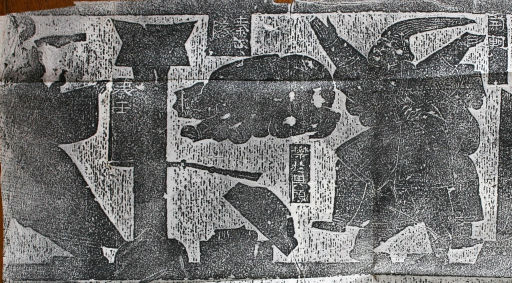
Na corte de Qin, Jing Ke ofereceu o mapa como se estivesse entregando terras, um gesto destinado a lisonjear as ambições do rei Zheng. Ao desenrolar o mapa, a adaga escondida foi revelada, transformando a diplomacia ritual em violência súbita.
Jing Ke avançou contra o rei Zheng, mas o rei se esquivou e os guardas correram quando o momento cuidadosamente encenado desabou. Qin Wuyang vacilou sob pressão, e a tentativa terminou com Jing Ke ferido e dominado em meio ao caos do salão.
Após o golpe fracassado, Jing Ke foi morto pelas forças de Qin, encerrando a missão no próprio centro do poder de Qin. Sua morte não impediu a unificação, mas tornou-se uma história definidora sobre desafio diante de uma autoridade avassaladora.