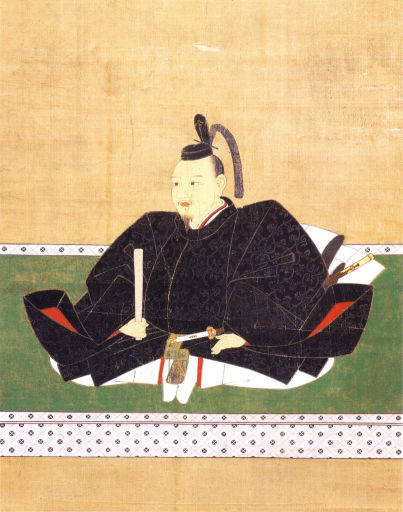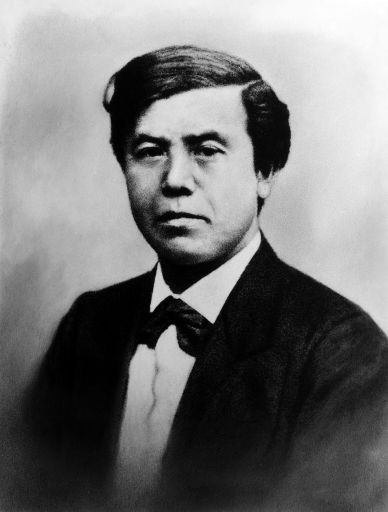
Quick Facts
A strategic Choshu reformer who forged alliances, toppled the shogunate, and helped shape Japan's Meiji Restoration.
Conversation Starters
Life Journey
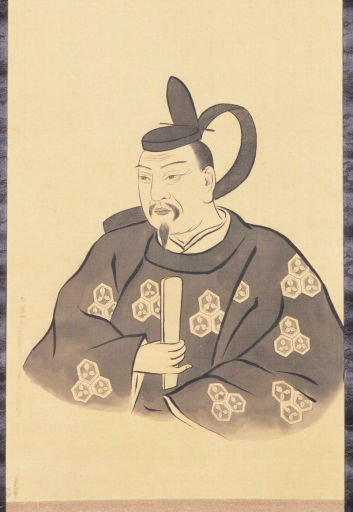
Born as Kido Takayoshi in the castle town of Hagi within Choshu Domain. Raised amid Tokugawa-era hierarchy, he absorbed Confucian learning and domain loyalty. Early family ties placed him inside Choshu’s reformist circles.
As a teenager he pursued martial training while deepening classical studies valued by Choshu officials. The domain’s debates over coastal defense and foreign ships shaped his outlook. He began connecting military skill with political purpose.
He traveled to Edo to study and broaden his network among samurai intellectuals. There he encountered ideas about imperial reverence and resistance to unequal foreign pressure. Edo’s political tension exposed him to the shogunate’s vulnerabilities.
Commodore Matthew Perry’s black ships forced Japan to confront Western military power. Katsura saw how the shogunate struggled to respond, fueling calls for reform in domains like Choshu. The shock accelerated his anti-shogunate commitment.
The Ansei Treaties and growing foreign presence intensified nationalist politics across Japan. He aligned with activists arguing for imperial authority and stronger defenses. These years trained him in discreet organization and coalition-building.
Operating in Kyoto, he coordinated Choshu’s political maneuvering around the imperial court. He cultivated ties with court nobles and domain allies while avoiding shogunate surveillance. His careful diplomacy earned him trust among reformists.
With Kyoto volatile, Choshu’s radicals pressed confrontational policies toward foreigners and shogunate officials. Katsura balanced hardline sentiment with the need for coordination and timing. The period foreshadowed a violent confrontation at the capital.
After the Kinmon Incident, Choshu forces were blamed for turmoil and punished politically. Katsura became a wanted man and survived through concealment and allies’ protection. His time underground sharpened his reliance on secrecy and trusted networks.
The Tokugawa shogunate mobilized punitive forces against Choshu, raising the stakes for every reformist. Katsura worked to steady Choshu leadership and avoid catastrophic collapse. The crisis convinced him that broader alliances were essential.
Choshu expanded modern training and firearms procurement, mixing samurai leadership with more flexible units. Katsura supported pragmatic strengthening rather than pure ideology. These reforms later helped Choshu withstand renewed shogunate pressure.
Through negotiation and intermediaries like Sakamoto Ryoma, Katsura helped reconcile Choshu with Satsuma. The alliance aligned resources and strategy against Tokugawa authority. It became a decisive framework for coordinated anti-shogunate action.
When the shogunate launched a second punitive campaign, Choshu’s improved forces resisted effectively. Katsura’s political leadership supported unity and coordination under extreme pressure. The shogunate’s setback undermined Tokugawa legitimacy nationwide.
As the anti-shogunate movement matured, he became widely known as Kido Takayoshi. He coordinated plans with leaders such as Saigo Takamori and Okubo Toshimichi. His goal shifted from protest to building a workable new government.
Following the fall of Tokugawa authority, Kido served in the new Meiji administration. He promoted centralization and institutional reform to prevent a return to domain fragmentation. The transition demanded balancing imperial legitimacy with practical governance.
He pushed for policies that reduced daimyo autonomy and strengthened national administration. Kido argued that modern states required unified taxation and military control. His stance put him at the center of debates over how fast to dismantle feudal structures.
The formal abolition of domains (haihan chiken) accelerated Japan’s transformation into a centralized nation-state. Kido backed the shift to prefectures as a foundation for uniform law and finance. It also weakened the old samurai order that had produced him.
He traveled with the Iwakura Mission alongside Iwakura Tomomi and other leaders to the United States and Europe. Observing industry, education, and constitutional ideas deepened his belief in cautious modernization. The journey highlighted gaps Japan needed to close quickly.
Back in Japan, he resisted calls for an immediate military expedition to Korea. Kido argued domestic reforms—schools, finance, and institutions—were the urgent priority. The dispute split Meiji leaders and intensified tensions with Saigo’s faction.
Kido died as the Satsuma Rebellion tested the Meiji state’s stability and the future of the samurai class. His passing removed a measured reform voice from national leadership. He was remembered as a key architect of the Restoration’s political strategy.