Quick Facts
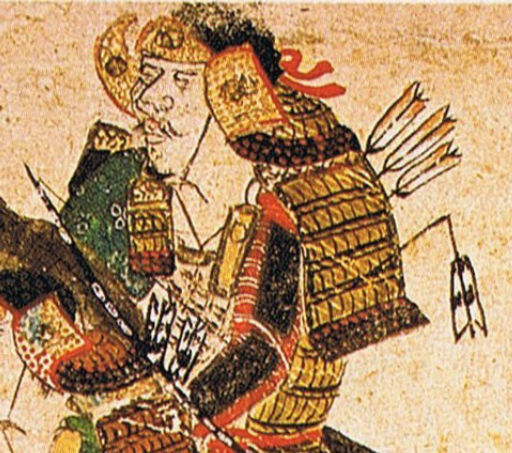
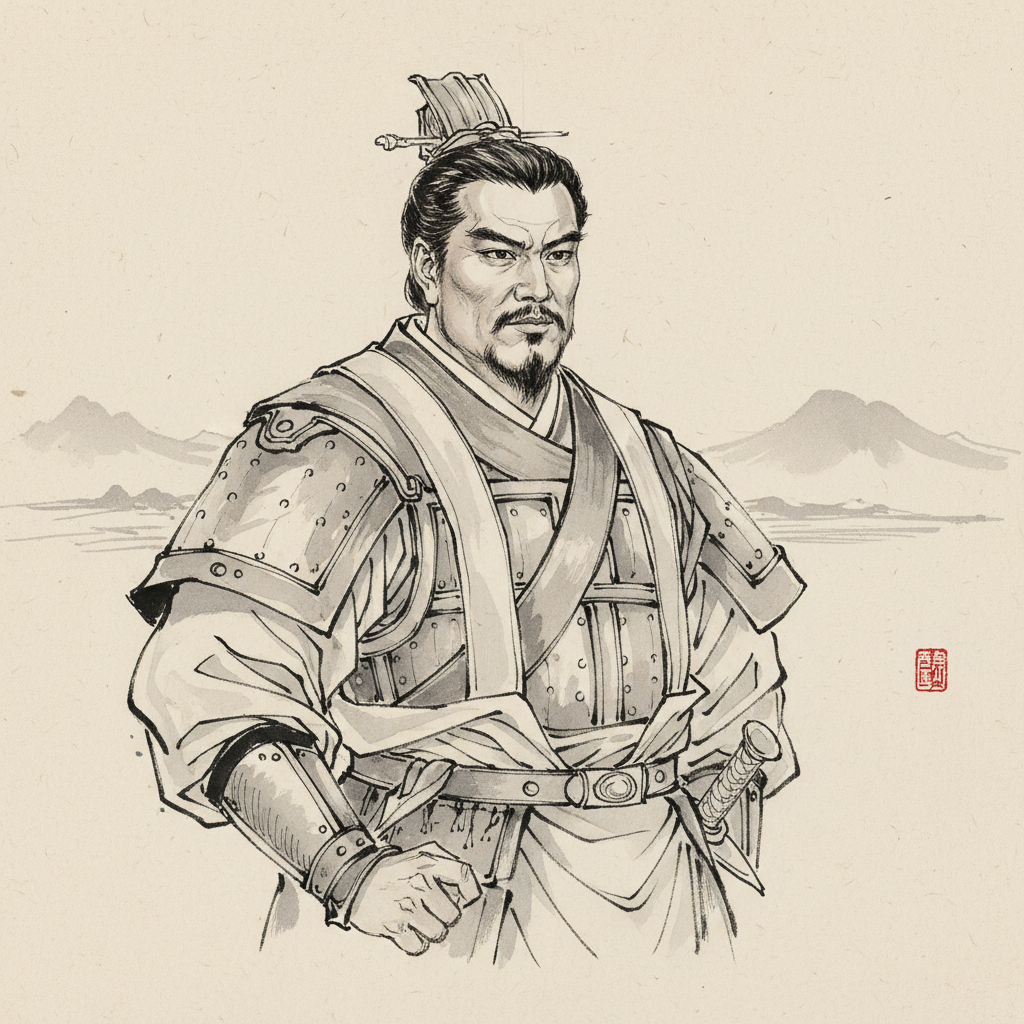
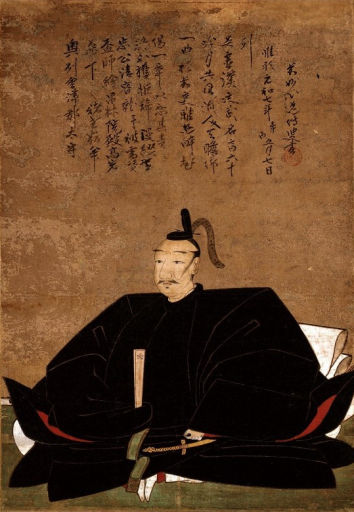
A celebrated Heian-era warrior whose frontier campaigns and loyalty helped define the early ideals of Japan’s samurai class.
Conversation Starters
Life Journey
Minamoto no Yoshiie was born into the Seiwa Genji line of the Minamoto, a warrior branch tied to imperial lineage. Growing up under his father Minamoto no Yoriyoshi, he absorbed court politics in Kyoto and frontier warfare traditions.
As a youth, Yoshiie trained in mounted archery, command discipline, and the etiquette expected of court-connected warriors. Yoriyoshi emphasized service to the imperial state while preparing him for harsh campaigning in the northern provinces.
When conflict erupted in Mutsu against the Abe clan, Yoshiie joined Yoriyoshi’s expeditionary force as a young retainer. The war exposed him to supply problems, winter fighting, and the complex local power networks of northeastern Japan.
During the long campaign, Yoshiie took part in engagements against Abe no Sadato, learning how fortified stockades and river crossings shaped outcomes. He built a reputation for personal bravery while coordinating with allied warriors in Mutsu.
The collapse of Abe resistance solidified the Minamoto as the court’s premier military house in the northeast. Yoshiie’s experience in Mutsu strengthened his authority among provincial fighters who valued competence over court rank alone.
With the northern war concluded, Yoshiie increasingly acted as Yoriyoshi’s principal successor and field leader. He cultivated ties with local magnates and shrine networks that provided legitimacy, manpower, and intelligence across the provinces.
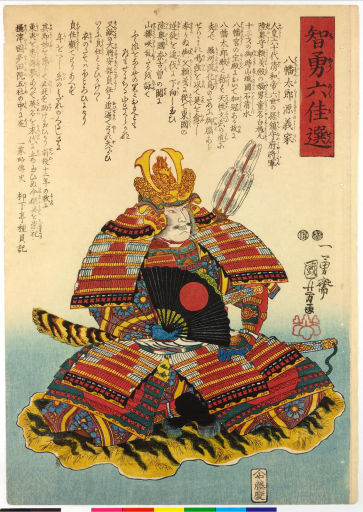
Yoshiie’s public devotion to Hachiman linked his battlefield success to divine favor, a powerful claim in Heian political culture. The epithet 'Hachimantarō' helped project him as a protector of the realm, not merely a regional strongman.
Yoshiie held and pursued provincial posts that placed him at the intersection of taxation, policing, and local dispute resolution. By rewarding loyal retainers and mediating conflicts, he expanded a durable network of warrior dependents.
Tensions within the Kiyohara family in Dewa and Mutsu escalated into open warfare, and Yoshiie intervened to restore order on the frontier. Operating far from Kyoto’s direct control, he relied on alliances, rapid marches, and local intelligence.
Yoshiie’s forces endured severe northern winters, managing food, horses, and morale while pressing attacks on fortified positions. His ability to coordinate multiple warrior bands foreshadowed the later samurai style of coalition warfare.
By breaking key strongholds and isolating rival Kiyohara leaders, Yoshiie concluded the conflict and reshaped regional power. The campaign elevated Minamoto prestige, even as the court worried about autonomous military authority in the provinces.
After the war, Yoshiie’s distribution of lands and gifts to followers drew criticism because it exceeded formal court procedures. The episode highlighted the widening gap between Kyoto’s bureaucratic norms and the realities of frontier military governance.
In the years after the northern campaigns, Yoshiie’s household became a magnet for provincial fighters seeking patronage. His reputation for fairness in rewards and steadfast leadership helped institutionalize loyalty ties later central to samurai rule.
Yoshiie supported religious observances and memorial practices that framed the wars as righteous defense of the realm. By linking the Minamoto name to prominent shrines and rituals, he strengthened both spiritual legitimacy and political influence.
Stories about Yoshiie circulated among warriors and aristocrats, portraying him as a model of courage, poetry, and composure under pressure. This cultural afterlife helped define the idealized image of the early samurai for later generations.
As an elder statesman of the Minamoto, Yoshiie focused on succession and the management of retainers who expected consistent patronage. His careful balancing of court expectations and provincial realities preserved clan cohesion beyond his lifetime.
Yoshiie died revered as a frontier commander whose campaigns expanded Minamoto standing within the Heian order. Later warrior governments looked back to his life as proof that military competence and loyal service could rival aristocratic authority.