Quick Facts
A hard-driving samurai commander whose ambitions ignited rebellion, reshaping Japan’s warrior politics in the late Heian era.
Conversation Starters
Life Journey
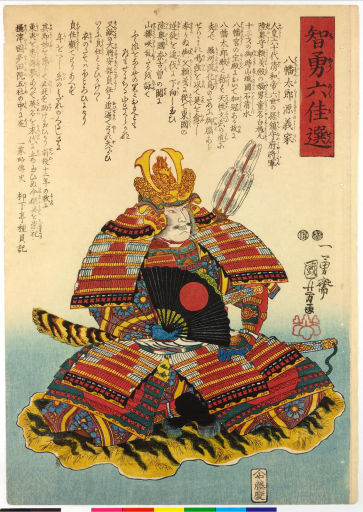
Born to Minamoto no Tameyoshi, Yoshitomo entered a warrior house tied to the imperial Seiwa lineage. In a Kyoto-centered Heian world, such pedigree offered status, but real influence depended on military service and court alliances.
As a youth, he was shaped by mounted archery, household discipline, and the expectations of a rising bushi elite. The Minamoto’s fortunes relied on enforcing order in the provinces while navigating the politics of the capital aristocracy.
Yoshitomo expanded his reputation through campaigns and policing duties in the Kantō, where local families measured leadership by results. These years built networks that later helped the Minamoto survive even after defeat in Kyoto.
He pursued patronage among court nobles and retired emperors, where appointments could legitimize provincial power. The Minamoto competed with the Taira for commissions, rewards, and access to the imperial center in Kyoto.
During the Hōgen Rebellion, Yoshitomo fought in the violent struggle between retired Emperor Sutoku and Emperor Go-Shirakawa’s supporters. He aligned with Go-Shirakawa and key nobles, helping decide the conflict by force in Kyoto’s streets.
In the aftermath of Hōgen, the victors punished rival leaders, and Tameyoshi fell on the losing side. Yoshitomo’s compliance with the new order, including abandoning his father’s cause, became a lasting symbol of harsh political necessity.
With senior rivals removed, Yoshitomo emerged as the effective leader of the Minamoto clan. Yet his new prominence also increased tension with Taira no Kiyomori, whose influence at court grew rapidly after the same conflict.
He sought offices and rewards that would keep the Minamoto relevant in Kyoto’s patronage economy. Kiyomori’s family connections and courtly sophistication often outpaced Yoshitomo’s leverage, deepening a rivalry poised to turn violent.
Yoshitomo aligned with figures such as Fujiwara no Nobuyori, who resented the Taira’s rising control of court decisions. Their coalition aimed to use force and hostage politics to reshape Kyoto’s leadership in their favor.
In 1159, he joined Nobuyori in a coup that seized key sites and attempted to dominate the imperial government. The plan relied on swift intimidation in the capital, betting that control of the court would outweigh the Taira’s broader strength.
The uprising turned brutal as the conspirators moved against opponents and tried to compel political compliance through fear. The violence hardened resistance and gave Kiyomori justification to return to Kyoto with a decisive counterattack.
Kiyomori rapidly regrouped loyal troops, retook the capital, and shattered Yoshitomo’s coalition. The defeat destroyed Minamoto influence at court and forced Yoshitomo into flight, while the Taira tightened control over Kyoto politics.
With allies captured and the city lost, Yoshitomo escaped toward the provinces, aiming to reach supportive networks in the Kantō. The journey exposed how quickly fortune turned in Heian power struggles centered on Kyoto.
He was betrayed while attempting to hide among local contacts, a common fate for defeated leaders lacking secure sanctuary. Taira authority and rewards for informants made escape difficult as the rebellion’s remnants were hunted down.
Yoshitomo was killed after capture near Nomura, extinguishing the immediate Minamoto challenge to the Taira in the capital. His death, however, left a legacy carried by surviving sons, including Yoritomo, who later toppled Taira rule.
After the rebellion, several of his children were executed, but others—most famously Minamoto no Yoritomo—were spared and sent into exile. This decision, shaped by court politics and intercession, allowed the clan to re-emerge later.