Quick Facts
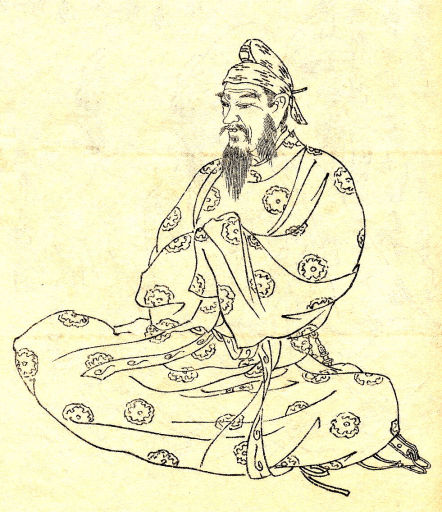
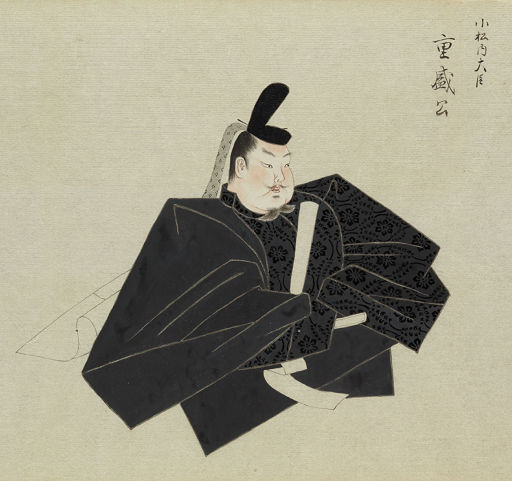
A principled Heike statesman who tried to restrain clan excesses and avert civil war in late Heian Japan.
Conversation Starters
Life Journey
Born as the eldest son of Taira no Kiyomori, he entered a household expanding from provincial warrior roots into Kyoto politics. His upbringing blended martial values with court education, preparing him for service among aristocrats.
During the Hogen Disturbance, the Taira supported Emperor Go-Shirakawa’s side against rival forces in Kyoto. The conflict elevated Kiyomori’s standing, and Shigemori gained early experience in the violent politics of succession.
The Heiji Rebellion pitted the Taira against Minamoto leaders such as Minamoto no Yoshitomo in the capital. The Taira victory consolidated power, leaving surviving Minamoto youths like Yoritomo in exile—future seeds of war.
As the Taira became indispensable to court security, Shigemori advanced into offices that required mastery of ritual, protocol, and patronage. He learned to negotiate with regents, retired emperors, and powerful temple networks.
When Kiyomori reached the pinnacle of court office as Chancellor, the Taira stood unrivaled in Kyoto. Shigemori’s prominence grew as the clan’s expected successor, tasked with preserving legitimacy among skeptical nobles.
The Taira cemented influence through marriages and patronage linking them to Emperor Go-Shirakawa’s circle. Shigemori worked within this strategy, using court connections to stabilize rule while rival houses watched for weakness.
Kiyomori’s daughter Tokuko (Kenreimon-in) married Emperor Takakura, binding the Taira directly to the throne. Shigemori had to manage resentment from Fujiwara nobles who saw the clan’s ascent as an affront to tradition.
With the clan’s network spanning provinces and capital offices, Shigemori coordinated appointments and revenues to keep supporters loyal. He also faced growing friction with militant temples such as Enryaku-ji on Mount Hiei.
Kyoto politics often turned on clashes with temple forces, whose warrior monks could threaten the court. Shigemori favored restraint and negotiation, aware that humiliating major temples could trigger unrest and delegitimize Taira authority.
As imperial and retired-imperial factions maneuvered for influence, Shigemori tried to keep the Taira aligned with court norms. The clan’s dominance, however, increasingly depended on coercion rather than consensus-building.
A plot at Shishigatani involved aristocrats and clerics tied to Go-Shirakawa’s camp, aiming to curb Kiyomori’s rule. Shigemori became associated with efforts to contain retaliation, warning that harsh purges would deepen opposition.
Tokuko gave birth to a prince, creating the possibility of a Taira-grandchild emperor and raising the clan’s political risks. Shigemori had to protect the child’s position while managing court fears of hereditary Taira control.
As tensions peaked, Kiyomori’s approach shifted toward forceful removals and intimidation within Kyoto governance. Shigemori’s reputation for principled counsel stood in contrast, but his ability to restrain the clan’s momentum weakened.
Shigemori died while the capital’s political order was unraveling, removing a stabilizing figure from the Taira leadership. His death left succession to less-tempered hands, and opposition forces soon coalesced into open conflict.
Soon after his death, Prince Mochihito’s call to arms and Minamoto mobilization plunged Japan into the Genpei War. Later narratives like The Tale of the Heike remembered Shigemori as a dutiful son torn between ethics and clan loyalty.