Informações rápidas
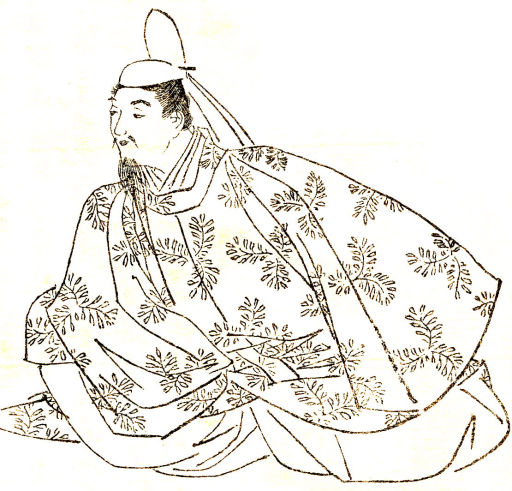
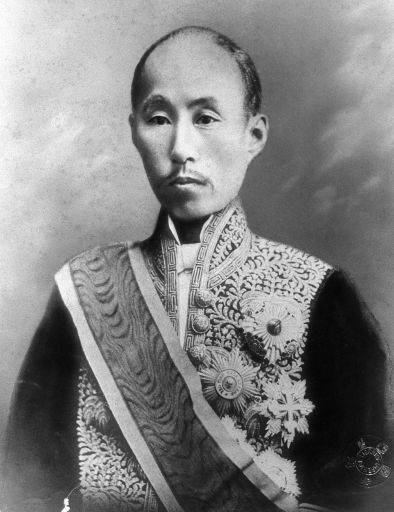
Nobre da corte que se tornou estadista do período Meiji, fazendo a ponte entre a tradição imperial e a construção de um governo moderno durante a turbulenta restauração do Japão.
Iniciadores de conversa
Jornada de vida
Nascido na prestigiosa casa Sanjo, entre a aristocracia kuge de Quioto, foi criado dentro da etiqueta e da política da Corte Imperial. Seu ambiente inicial o ligou ao círculo do Imperador Komei, enquanto o Japão enfrentava pressão estrangeira e agitação interna.
Na adolescência, iniciou o serviço formal na Corte Imperial, aprendendo cerimônias, poesia e procedimentos burocráticos com cortesãos veteranos. Essas habilidades mais tarde lhe permitiram converter a autoridade da corte em liderança política viável durante a convulsão da Restauração.
Alinhou-se à opinião cortesã contrária aos tratados após o bakufu Tokugawa assinar os Tratados de Ansei sem aprovação imperial. Em Quioto, apoiou a corrente que defendia reverência ao imperador e resistência à influência estrangeira, argumentando que a diplomacia precisava estar ancorada na legitimidade imperial e na unidade nacional.
Cultivou vínculos com ativistas e líderes de domínios que buscavam fortalecer o trono, incluindo figuras ligadas à política de Satsuma e Choshu. Esses contatos ajudaram a corte a se tornar um ator político real, e não apenas uma instituição cerimonial.
Após a convulsão política de 1863 em Quioto, foi afastado da capital à medida que o equilíbrio entre facções da corte e o bakufu se alterava. Fugiu para evitar prisão, deixando para trás sua influência imediata na corte, mas permanecendo como símbolo da determinação lealista ao imperador.
Vivendo sob a proteção de Choshu, testemunhou a intensificação do confronto do domínio com o governo Tokugawa após incidentes como os eventos de Kinmon. Sua presença ofereceu aos líderes da Restauração uma ponte cortesã para a autoridade imperial quando a legitimidade era decisiva.
Com o enfraquecimento do poder Tokugawa e o jovem Imperador Meiji tornando-se o foco de uma nova coalizão política, pôde voltar à vida política ativa da corte. Trabalhou ao lado de cortesãos influentes como Iwakura Tomomi para preparar mudanças institucionais.
Com a proclamação do governo da Restauração, assumiu altos cargos no Estado nascente e ajudou a apresentar o governo imperial como ao mesmo tempo tradicional e reformista. Seu prestígio cortesão complementou líderes como Okubo Toshimichi, que necessitavam de legitimidade para mudanças rápidas de política.
À medida que o governo se consolidava, acompanhou a mudança da corte de Quioto para a nova sede do poder em Tóquio. A relocação sinalizou uma ruptura com a geografia do antigo regime Tokugawa, mantendo a instituição imperial no centro da administração nacional.
Tornou-se Daijo-daijin, o mais alto posto no sistema restaurado do Daijo-kan, atuando como coordenador sênior de ministros e oficiais da corte. A função exigia administrar a concorrência entre líderes de domínios, preservando a dignidade e a primazia do imperador.
Durante as reformas decisivas de 1871, apoiou a substituição dos domínios por províncias administradas centralmente, fortalecendo a governança nacional. Trabalhando com líderes como Okubo Toshimichi, ajudou a enquadrar a mudança como um ato imperial de unificação.
Quando surgiu o debate sobre uma expedição proposta à Coreia, ajudou a administrar o conflito entre as elites à medida que figuras como Saigo Takamori deixavam o governo. Sua prioridade foi manter o Estado estável e o imperador acima das disputas faccionais em um momento volátil.
Enquanto o governo experimentava conselhos e órgãos consultivos, apoiou medidas que introduziam a consulta na formulação de políticas sem enfraquecer a autoridade imperial. Esses esforços ajudaram a transição do governo de alianças pessoais para instituições mais duráveis na nova burocracia de Tóquio.
Quando o sistema moderno de gabinete substituiu a antiga estrutura do Daijo-kan, ajustou-se de cargos clássicos para novos arranjos da era constitucional. Permaneceu como ancião respeitado, cujo prestígio cortesão ajudou a legitimar reformas do Executivo associadas a Ito Hirobumi.
Com a promulgação da Constituição Meiji, continuou como conselheiro de alta patente identificado com a coalizão cortesã original da Restauração. Sua presença simbolizou a continuidade entre o trono antigo e o aparato estatal moderno que se formava em torno do parlamento e do gabinete.
Viveu para ver a primeira Dieta Imperial do Japão reunir-se, um marco que combinou formas constitucionais com a soberania imperial. O momento refletiu décadas de compromissos que ele ajudou a construir entre a tradição da corte, o poder dos domínios e a governança burocrática moderna.
Morreu após uma longa carreira que atravessou a queda da ordem Tokugawa e a consolidação das instituições Meiji. Lembrado como nobre íntegro da corte, ajudou a converter a legitimidade imperial em governança prática durante a transição política mais decisiva do Japão.