En bref
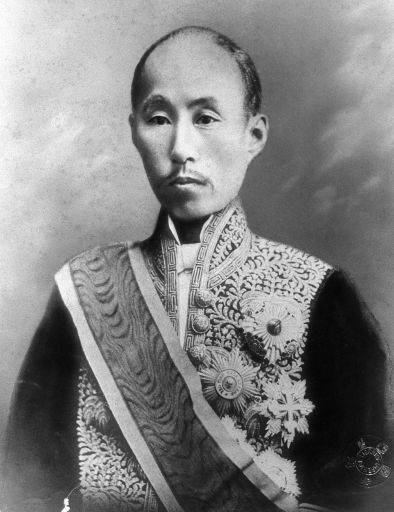
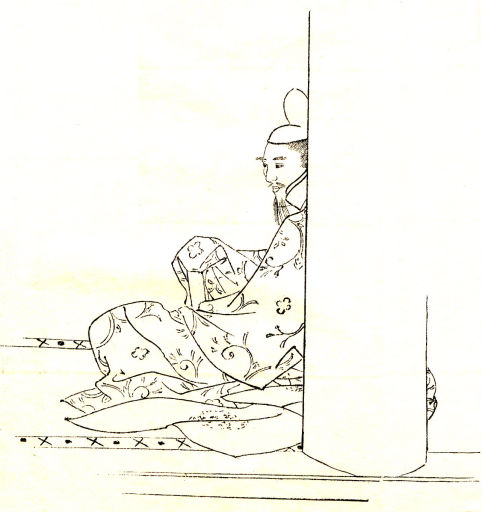
Stratège accompli de la cour, il a façonné la politique du début de l’époque de Heian en institutionnalisant le gouvernement par régence et en orientant les empereurs depuis les coulisses du palais.
Sujets de conversation
Parcours de vie
Fujiwara no Mototsune naît au sein du puissant clan Fujiwara, dans la branche Hokke, faction dominante de la politique de cour à Heian. Élevé au cœur d’une bureaucratie ritualisée, il apprend comment le rang, les mariages et le précédent produisent le pouvoir.
Adolescent, il entre au service de l’État et progresse dans une hiérarchie de rangs soigneusement graduée qui structure la vie aristocratique à Heian. Des mentors du réseau Fujiwara le forment au protocole, à la rédaction de mémoires et à la construction de coalitions entre ministères.
Son père adoptif et protecteur politique, Fujiwara no Yoshifusa, devient sesshō, régent d’un empereur enfant, fait inédit pour un non-membre de la famille impériale. Mototsune retient que contrôler l’accès au trône compte davantage que de détenir le trône.
Mototsune cultive des liens avec des maisons nobles rivales et des offices clés du palais, utilisant mariages et patronage pour stabiliser sa faction. Ce patient travail le protège des crises de succession soudaines et assure des soutiens fiables au sein du Conseil d’État.
Il occupe des postes administratifs de haut niveau chargés des nominations, des pétitions et de l’ordonnancement des cérémonies pour le gouvernement de Seiwa. En maîtrisant procédures et affectations, il peut récompenser ses alliés et freiner ses adversaires sans affrontement direct.
À mesure que le règne de Seiwa s’affermit, Mototsune devient indispensable pour coordonner les factions palatines et transmettre les décisions impériales. Il équilibre la légalité formelle et l’influence pratique, maintenant les Fujiwara en position de médiateurs et de gardiens des accès.
Lorsque Seiwa abdique, Mototsune aide à orchestrer une transition délicate vers le règne suivant tout en préservant l’avantage des Fujiwara. Il s’appuie sur le précédent et le rituel pour présenter le changement comme ordonné, réduisant les occasions d’intervention des familles rivales.
Après la mort de Fujiwara no Yoshifusa, Mototsune hérite de la position dominante du clan à la cour et de son réseau de dépendants. Il doit prouver son autorité sans son protecteur, en s’appuyant sur sa compétence et une gestion disciplinée des factions.
Mototsune devient sesshō de l’empereur Yozei, encore mineur, formalisant le contrôle des Fujiwara sur la gouvernance quotidienne. Il supervise nominations et délibérations, veillant à aligner politique et personnel sur les intérêts Fujiwara et la stabilité.
Il fait progresser la fonction de kampaku, régent pouvant agir même auprès d’un empereur adulte, transformant une influence informelle en institution. Cette innovation offre aux Fujiwara un mécanisme durable pour gouverner tout en préservant le prestige et l’autorité rituelle de l’empereur.
Alors que le comportement de Yozei inquiète les élites, Mototsune rassemble un consensus de cour pour l’écarter sans faire s’effondrer la légitimité. En élevant Koko, il présente le changement comme un rétablissement de l’ordre, avec les Fujiwara en intendants responsables.
Sous Koko, Mototsune utilise le rôle de kampaku pour contrôler l’ordre du jour, les mémoires et les nominations supérieures au sein du Daijō-kan. Il renforce un mode de gouvernement où la dignité impériale demeure intacte tandis que les décisions passent par les canaux de la régence.
Quand Koko abdique, Mototsune aide à orchestrer l’accession d’Uda en équilibrant les attentes nobles concurrentes. Il recherche la continuité en liant le nouveau règne au précédent établi, rendant l’autorité de la régence normale et attendue.
Un conflit célèbre éclate autour du terme akokan, lorsque Mototsune interprète une formulation de manière à défendre les prérogatives du régent face à la résistance impériale. L’épisode montre comment sémantique, documents et cérémonial peuvent devenir des champs de bataille du pouvoir constitutionnel.
Après des échanges tendus avec Uda, Mototsune reconstruit des arrangements de travail maintenant l’administration de cour en fonctionnement fluide. En mettant l’accent sur le précédent et un contrôle strict des affectations, il limite les dégâts du désaccord ouvert tout en préservant l’influence du kampaku.
À la fin de sa vie, il préside une cour où le leadership des Fujiwara devient structurel plutôt que seulement personnel. Sa gestion des rangs et des offices façonne les attentes des régents ultérieurs, faisant de ses méthodes un modèle pour le gouvernement de Heian.
Fujiwara no Mototsune meurt à Heian-kyō après des décennies à orienter la politique grâce à l’autorité de sesshō et de kampaku. Sa disparition laisse un modèle durable de domination Fujiwara, influençant la manière dont les aristocrates contrôleront ensuite les empereurs par les offices et la parenté.