Quick Facts
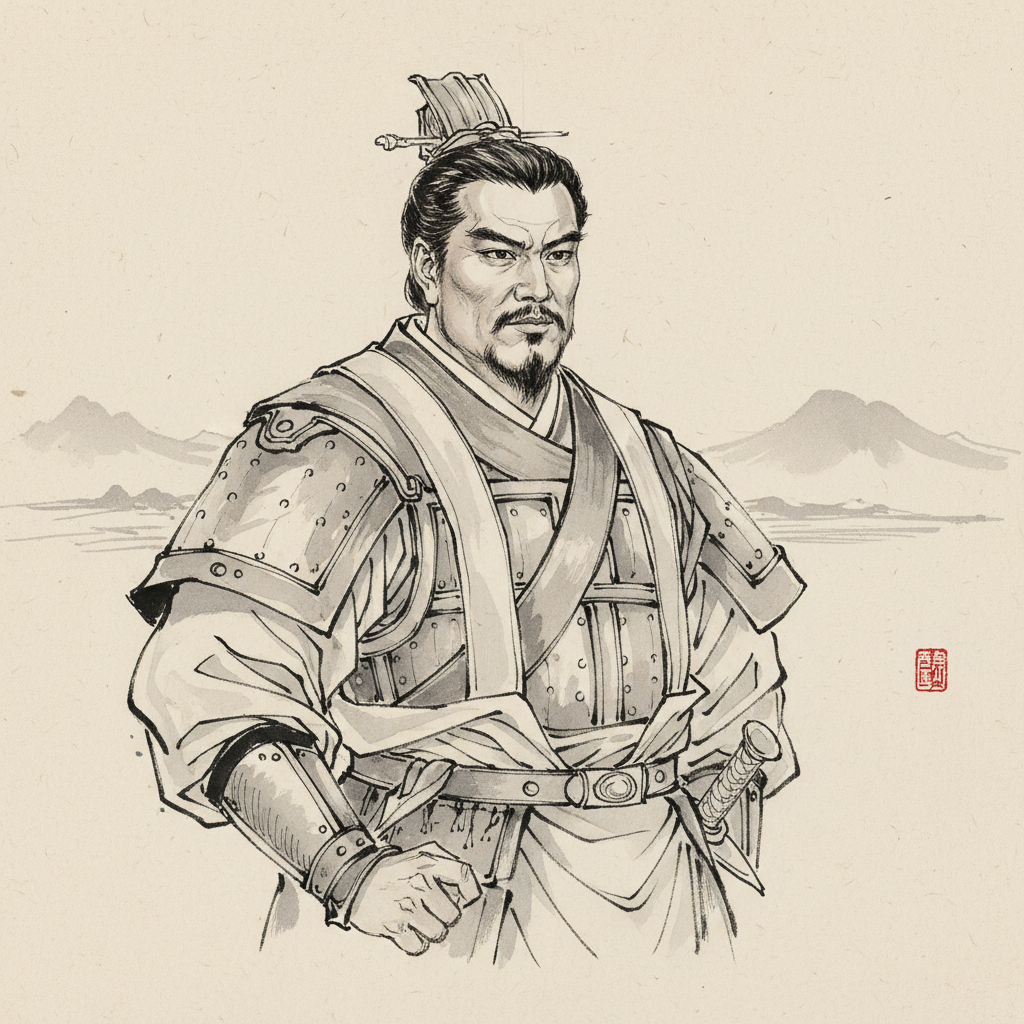
A towering warrior-monk famed for unwavering loyalty, legendary strength, and a dramatic last stand defending his lord.
Conversation Starters
Life Journey
Benkei is traditionally placed in the late Heian period, when the Taira and Minamoto houses were rising toward open conflict. Later tales link his origins to northern Honshu, a region shaped by frontier warfare and temple estates.
Stories describe Benkei as entering religious institutions early, absorbing Buddhist ritual, literacy, and strict monastic routines. Temple communities also maintained armed retainers, blurring the line between monk and soldier in Heian Japan.
Legend credits him with mastering naginata, swordsmanship, and armored fighting associated with militant monastic groups. Such training reflected real rivalries among powerful temples like Enryaku-ji and the court-centered forces in Kyoto.
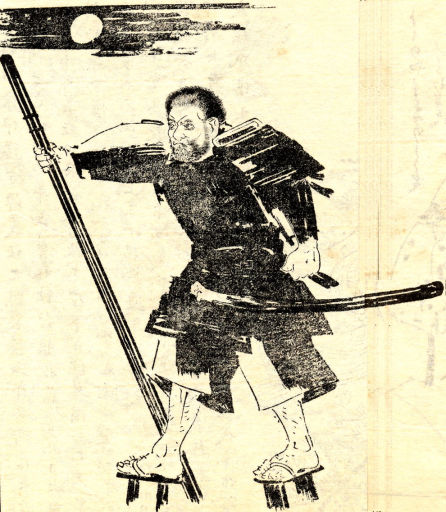
Later narratives place Benkei at Gojō Bridge, challenging passing warriors to duels to prove superiority. The setting evokes Kyoto’s tense street politics, where armed men, courtiers, and temple forces competed for status and patronage.
Benkei’s most famous episode has him confronting the young Minamoto no Yoshitsune and being defeated by Yoshitsune’s speed and footwork. The scene became a staple of later Noh and Kabuki, defining Benkei as formidable yet teachable.
After losing, Benkei is said to pledge himself to Yoshitsune, transforming rivalry into lifelong service. Their bond echoed warrior ideals of personal loyalty that later samurai ethics would celebrate in chronicles and performance traditions.
When the Genpei War erupted, Yoshitsune fought for the Minamoto cause against the Taira, and Benkei is remembered as his steadfast companion. The conflict reshaped governance in Japan and culminated in the creation of a warrior-led order.
Benkei is portrayed helping Yoshitsune move through strategic corridors linking Kyoto to eastern bases, coordinating men and supplies. War tales emphasize his practical leadership beside charismatic commanders like Yoshitsune and veteran leaders under Yoritomo.
After the Taira collapse, Minamoto no Yoritomo consolidated power and grew wary of Yoshitsune’s popularity and independence. Benkei’s legends frame him as the protector who sensed danger as court favor and military success turned into political suspicion.
Accounts describe Benkei guiding Yoshitsune through a tightening net of orders and accusations, as Yoritomo’s authority expanded from Kamakura. Their predicament reflects the era’s shift from heroic campaigning to administrative control and factional reprisals.
In later dramatic versions, Benkei bluffs officials at the Ataka checkpoint by reading a blank “subscription list” and acting as Yoshitsune’s master. Popularized by the play 'Kanjinchō,' the story showcases his nerve, improvisation, and devotion.
Yoshitsune and Benkei are said to find refuge in Hiraizumi with Fujiwara no Hidehira, ruler of a wealthy northern polity. The move highlights the regional power of northern elites and their uneasy relationship with Kamakura’s rising regime.
While sheltered in Hiraizumi, the pair lived under constant threat as Yoritomo’s influence reached deeper into provincial alliances. Tales emphasize Benkei’s vigilance—guarding, training, and managing retainers—while Yoshitsune’s options steadily narrowed.
After Fujiwara no Hidehira died, leadership passed to Fujiwara no Yasuhira, who faced intense pressure from Minamoto no Yoritomo. Tradition holds that Yasuhira turned on Yoshitsune, setting the stage for a decisive attack at Koromogawa.
At Koromogawa, Benkei is remembered holding the approach to buy time for Yoshitsune inside the residence. Chronicles and later literature portray him absorbing volleys of arrows while refusing to yield, a scene that fixed him as the archetype of loyal retainers.
Benkei’s death is famously told as 'tachi-ōjō,' dying upright at his post, terrifying attackers who thought he still lived. Whether literal or embellished, the image spread through war tales, Noh, and Kabuki as a cultural shorthand for fidelity unto death.