Quick Facts
A formidable Babylonian king who forged an empire through war, grand building projects, and calculated statecraft.
Conversation Starters
Life Journey
Born to Crown Prince Nabopolassar’s household, Nebuchadnezzar grew up amid Babylon’s revolt against Assyria. Court life in Babylon exposed him to temple politics, scribal administration, and the cult of Marduk that legitimized kingship.
As a prince, he was trained in Akkadian literacy, military logistics, and royal ideology preserved by palace scribes. Priests in Babylon emphasized his duty to restore temples and uphold justice as a divinely favored ruler.
Babylonian and Median forces shattered Assyrian dominance, culminating in the collapse of Nineveh’s empire. The victory confirmed Nabopolassar’s dynasty and opened space for Babylon to compete with Egypt for Syria and Palestine.
He served as a senior commander as Egypt supported remnants of Assyrian power along the Euphrates. Marches through northern Mesopotamia hardened him into a logistical planner capable of sustaining large armies far from Babylon.
As crown prince, he crushed Pharaoh Necho II’s forces at Carchemish on the Euphrates, breaking Egyptian influence in Syria. Babylonian chronicles portray a decisive pursuit that secured tribute routes and intimidated Levantine vassals.
Hearing of Nabopolassar’s death, he rushed back to Babylon to secure the throne and prevent court rivals from maneuvering. His accession tied military legitimacy to religious ceremony, presenting him as Marduk’s chosen shepherd-king.
He reorganized garrisons, demanded tribute, and installed loyal officials to stabilize newly conquered territories. The strategy blended intimidation with pragmatic administration, ensuring roads, ports, and caravan hubs served Babylon’s treasury.
Babylon and Egypt clashed in a major battle that proved hard-fought and expensive, forcing a temporary Babylonian pullback. The setback encouraged unrest among western vassals, testing his ability to recover through planning and coercion.
After King Jehoiakim’s revolt and the brief reign of Jehoiachin, Babylonian troops took Jerusalem and seized royal and temple treasures. Deportations of nobles and artisans to Babylon aimed to deter rebellion while exploiting skilled labor.
Across the Levant, he monitored vassal kings and responded to conspiracies with swift punitive expeditions. Resettling populations into Mesopotamian cities helped supply workers for state projects while weakening local power bases.
When Zedekiah aligned with Egypt, Babylon encircled Jerusalem, cutting supply lines and pressuring the city over many months. The siege reflected a broader struggle for the Levant, where Egypt’s promises met Babylon’s disciplined force.
Babylonian forces breached Jerusalem, burned Solomon’s Temple, and dismantled the city’s defenses to end repeated revolts. Further deportations deepened the Babylonian Exile, reshaping Judean religious life around texts, memory, and diaspora.
He besieged Tyre, a wealthy Phoenician port, to control maritime trade and compel submission without relying on a large navy. The protracted campaign signaled Babylon’s determination to dominate coastal commerce linking the Levant to the Mediterranean.
He rebuilt Babylon’s walls, palaces, and ceremonial avenues to project imperial power and sacred order. The Processional Way and Ishtar Gate, adorned with glazed brick lions and dragons, staged state ritual before citizens and foreigners alike.
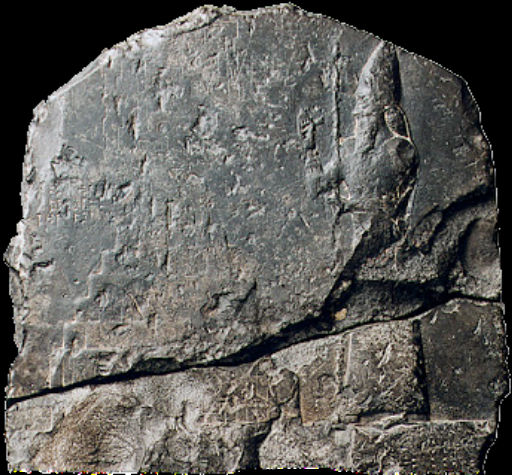
He sponsored restoration and offerings for Esagila, the great temple of Marduk, reinforcing the priesthood’s support for the dynasty. In royal inscriptions, he framed building work as piety, binding political authority to divine favor and tradition.
Late in his reign, Babylonian forces continued to police borders and deter rivals, preserving tribute flows into the capital. Administrative records and chronicles reflect a mature empire balancing war, diplomacy, and internal economic management.
He died after decades of rule that made Babylon the Near East’s dominant power and a symbol of imperial grandeur. His successor Amel-Marduk inherited both immense prestige and the tensions of ruling a diverse empire held together by force and ritual.