Quick Facts
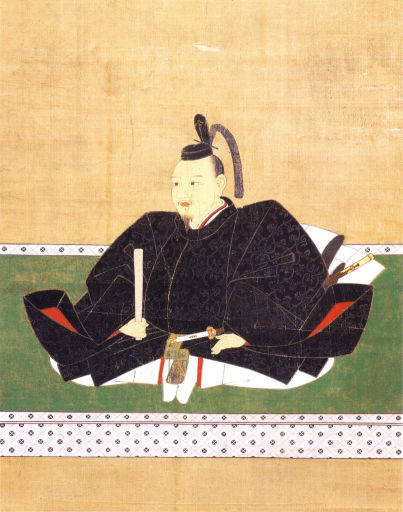
A pragmatic Oda retainer who helped unify Japan, excelling in logistics, castle building, and post-Nobunaga politics.
Conversation Starters
Life Journey
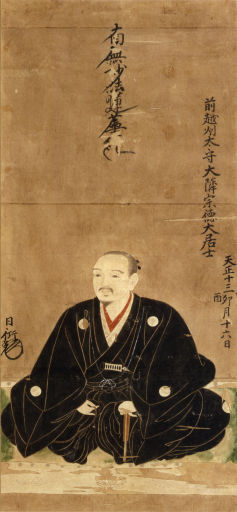
Born as Niwa Nagahide into a samurai family tied to Owari’s shifting power struggles. Growing up amid constant conflict, he was shaped by the military culture surrounding the rising Oda house in central Japan.
He entered the circle of Oda Nobunaga, learning the discipline of small-unit warfare and supply management. Early service in Owari exposed him to Nobunaga’s harsh meritocracy and emphasis on rapid, decisive campaigning.
Nagahide helped stabilize Oda control in Owari through garrison duty and local administration around key strongpoints. His reliability in routine governance made him valuable as Nobunaga prepared to project power beyond his home province.
During Nobunaga’s conquest of Mino, Nagahide contributed to the operations that culminated in taking Inabayama Castle. The victory enabled the creation of Gifu as a forward base, tightening Oda control over the Nobi Plain.
He joined the Oda advance into Kyoto that installed Ashikaga Yoshiaki as shogun under Oda protection. The move drew Nagahide into national politics, where diplomacy and intimidation mattered as much as battlefield skill.
As Nobunaga confronted Azai Nagamasa and the Asakura, Nagahide served in the grinding northern campaigns. He helped sustain operations with disciplined troop management, supporting the Oda push to dominate the Kansai region.
Nagahide operated in the tense environment where the Oda clashed with armed religious institutions and their allies. His role emphasized containment, fortification, and securing roads, essential to keeping Kyoto under Oda influence.
When relations with Ashikaga Yoshiaki collapsed, Nagahide backed Nobunaga’s efforts to expel the shogun from Kyoto. The end of the Muromachi shogunate elevated Oda authority and expanded responsibilities for senior retainers.
In the wider anti-Takeda campaigns, Nagahide helped coordinate forces in cooperation with Tokugawa Ieyasu’s side. These operations showcased the Oda approach of massed firepower, disciplined formations, and relentless pursuit of advantage.
As Oda power grew, Nagahide became known for handling the unglamorous work of provisioning troops and stabilizing newly won lands. He coordinated taxation and transport, turning battlefield victories into durable political control.
He aided Oda efforts that pressured the Ishiyama Hongan-ji to surrender, ending a long and costly confrontation. The outcome strengthened Oda dominance in central Japan and freed resources for further unification campaigns.
After Akechi Mitsuhide attacked Oda Nobunaga at Honnō-ji in Kyoto, Nagahide acted quickly to preserve Oda interests. He supported emergency decision-making among senior retainers as Toyotomi Hideyoshi moved to punish Mitsuhide.
In the power struggle following Nobunaga’s death, Nagahide backed Toyotomi Hideyoshi’s bid to lead the coalition. At Kiyosu, negotiations over succession and fiefs made clear that practical alliances would shape Japan’s next ruler.
Nagahide sided with Hideyoshi against Shibata Katsuie as the Oda leadership fractured into rival camps. The fighting in the Hokuriku-Kinai theater underscored how quickly loyal retainers had to adapt to survive in new politics.
With Hideyoshi consolidating power, Nagahide was entrusted with broader administrative authority and oversight of strategic fortifications. His reputation rested on orderly governance, reliable troop readiness, and the ability to keep domains productive.
Niwa Nagahide died in the midst of Hideyoshi’s rapid rise, leaving behind a record of steady service rather than theatrical ambition. His career illustrates how capable administrators and commanders underpinned the unification of Japan’s provinces.