Kurzinfo
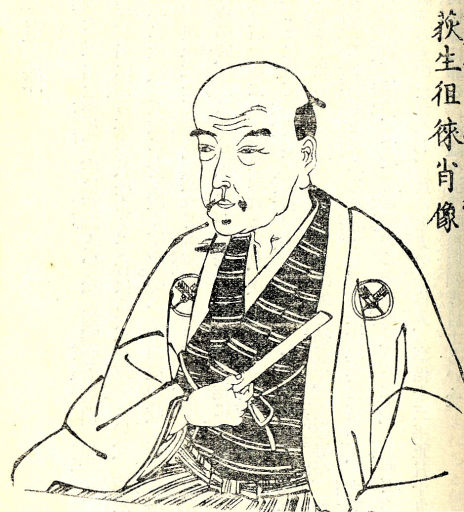
Ein scharfsinniger Reformer der Tokugawa-Zeit, der die klassischen konfuzianischen Schriften der Antike wiederbelebte, um Politik, Sprache und moralische Dogmen zu kritisieren.
Gesprächseinstiege
Lebensweg
In Edo während des Tokugawa-Friedens geboren, wuchs er in einer Welt auf, die von Samurai-Bürokratie und konfuzianischer Schulbildung geprägt war. Sein familiärer Hintergrund verschaffte ihm früh Zugang zu Büchern, Mentoren und zur politischen Sprache der Militärregierung.
Als Junge studierte er konfuzianische Texte und klassisches Chinesisch, die Prestigesprache der offiziellen Kultur der Tokugawa. Diese prägenden Jahre schulten ihn darin, Klassiker genau zu lesen und zu erkennen, wie Übersetzungen und Kommentare Bedeutungen verzerren können.
Er beherrschte den auf Zhu Xi ausgerichteten neokonfuzianischen Lehrplan, der die Akademien und die offizielle Ethik in Edo dominierte. Je mehr er dessen metaphysische Terminologie lernte, desto stärker vermutete er darin spätere Erfindungen, die die ältere klassische Welt überdeckten.
Sorai begann, Philologie zu betonen und Wörter, Riten und Institutionen als historische Artefakte statt als zeitlose moralische Axiome zu behandeln. Zunehmend zog er vorqinsche Texte und antike Modelle der Staatskunst heran, um die Tokugawa-Herrschaft zu beurteilen.
Er formte einen Ansatz, der später als Altes Lernen bekannt wurde, und argumentierte, der Weg der Weisen sei in konkreten Riten, Musik und politischen Systemen verankert. Diese Methode stellte den sesselgelehrten Moralismus in Frage, indem sie Belege aus klassischer Sprache und Geschichte verlangte.
Sorais Vorträge zogen Samurai und Gelehrte an, die an einem strengeren, textzentrierten Konfuzianismus interessiert waren, der sich für politische Debatten eignete. Sein Unterricht betonte die präzise Lektüre der Gespräche und anderer Klassiker, nicht das bloße Nachsprechen von Kommentaren.
Er argumentierte, dass Predigten über persönliche Tugend nicht die Gestaltung funktionierender Institutionen, Gesetze und Wirtschaftspolitik ersetzen können. Im politischen Klima Edos war dies eine gezielte Kritik an Amtsträgern, die Ethik als Deckmantel für administrative Trägheit nutzten.
Während Samurai-Verwalter über Besoldungen, Handel und städtisches Wachstum besorgt waren, deutete Sorai Probleme als institutionelle und nicht nur moralische Fragen. Er nutzte historische Beispiele aus chinesischen Dynastien, um für pragmatische Reformen der Tokugawa-Herrschaft zu argumentieren.
Er verbreitete Schriften, die den öffentlichen Weg der Weisen von späterer metaphysischer Spekulation unterschieden. Indem er Autorität in antiken Riten und Sprache verankerte, lieferte er Samurai, die politische Legitimation suchten, ein neues intellektuelles Instrumentarium.
Sorais Ideen erreichten hochrangige Amtsträger, und er diente als geschätzter Ratgeber in Fragen der Verwaltung und des Lernens. Diese Rolle brachte ihn nahe an das Zentrum tokugawaischer Entscheidungen, wo Ideologie und fiskalische Realitäten häufig aufeinanderprallten.
Als Tokugawa Yoshimune als reformorientierter Führer hervortrat, passte Sorais Fokus auf Institutionen zum zeitgenössischen Bedürfnis nach praktischer Regierungsführung. Er riet, dass stabile Herrschaft klare Gesetze und rituelle Ordnung erfordere, nicht nur Rhetorik der Selbstkultivierung.
In Bendō argumentierte er, der wahre Weg sei eine von Menschen geschaffene Ordnung, die die antiken Weisen durch Riten, Musik und Regierung aufgebaut hätten. Das Werk griff die moralmetaphysischen Lehren Zhu Xis an und drängte Tokugawa-Denker zur Rückkehr zu textlichen Belegen.
In Benmei zerlegte Sorai den Kernwortschatz, um zu zeigen, wie spätere Kommentatoren klassische Bedeutungen verfälschten. Indem er Sprache als politische Technologie behandelte, behauptete er, klare Definitionen seien für Recht, Hierarchie und wirksame Verwaltung unerlässlich.
Seine Akademie zog Schüler an, die die Debatten der Edo-Zeit über Geschichte, Literatur und Regierung prägen sollten. Sorais Betonung von Philologie und Institutionen half, eine rivalisierende Tradition zur offiziellen neokonfuzianischen Lehre innerhalb der Militärregierung zu etablieren.
Während Reformen und Gegenreformen die Politik Edos bewegten, schrieb er weiter über Staatskunst, klassisches Studium und die Grenzen moralischer Predigten. Seine späteren Arbeiten schärften die These, dass gute Regierung von gestalteten Systemen abhängt, nicht von Schlagworten.
Handschriften und Schüler trugen Sorais Methoden in Domänenschulen in ganz Japan, wo Samurai nach intellektuellen Werkzeugen für Verwaltung suchten. Seine Kritik an der Zhu-Xi-Orthodoxie rief Gegenreden hervor und sorgte dafür, dass seine Ideen im Zentrum der Debatte blieben.
Mitte der 1720er Jahre war er weithin als gewichtige, mitunter verstörende Stimme im intellektuellen Leben Edos bekannt. Anhänger lobten seine Strenge und politische Relevanz, während Gegner ihm vorwarfen, die moralisierte Autorität des Neokonfuzianismus zu untergraben.
Sorai starb in Edo und hinterließ ein Werk, das den japanischen Konfuzianismus durch historische und sprachliche Präzision neu ausrichtete. Seine Schüler und Kritiker hielten seine Argumente lebendig und beeinflussten spätere Debatten über Reformen und klassische Auslegung.