Datos rápidos
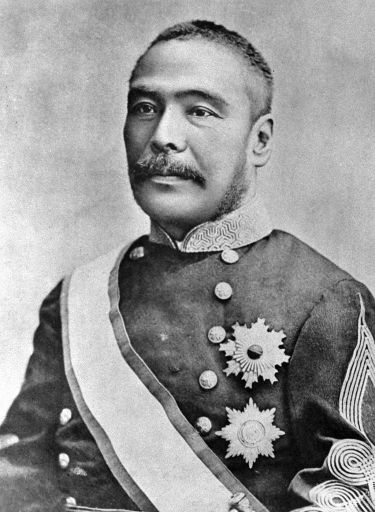
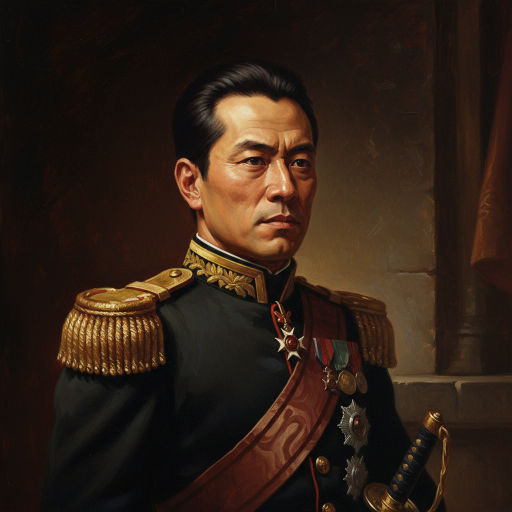
Un disciplinado militar japonés de la era Meiji, recordado por su servicio constante, sus esfuerzos de modernización y su influencia institucional discreta pero duradera.
Inicios de conversación
Trayectoria vital
Nació cuando Japón estaba al borde de una convulsión, con el shogunato Tokugawa debilitándose bajo el descontento interno y la presión extranjera. Sus primeros años transcurrieron en medio de rápidos cambios políticos que pronto transformaron la educación y el servicio público.
La Restauración Meiji sustituyó el gobierno shogunal por un régimen imperial y un nuevo Estado comprometido con la modernización. Como muchos jóvenes, se encontró con planes de estudio cambiantes y nuevas expectativas que valoraban el servicio a la nación y el aprendizaje técnico.
A medida que Tokio ampliaba instituciones inspiradas en parte en sistemas occidentales, cursó estudios que enfatizaban la disciplina, las matemáticas y la administración práctica. Estos años formativos lo prepararon para un servicio estructurado en organizaciones nacionales emergentes.
Entró en una vía que alineaba la educación con las necesidades del Estado, reflejando el impulso del liderazgo Meiji por profesionalizar la burocracia y las fuerzas armadas. La formación recalcaba la obediencia al mando, el mantenimiento de registros y la competencia bajo presión.
Inició el servicio formal mientras Japón ampliaba una fuerza basada en la conscripción y estandarizaba rangos y reglamentos. Sus primeros destinos exigían logística cuidadosa, supervisión de instrucción y apego a procedimientos recién codificados e influidos por modelos europeos.
Asumió puestos centrados en la gestión de personal, la contabilidad de suministros y los calendarios de entrenamiento, áreas cruciales para construir un ejército moderno confiable. Su labor reflejaba prioridades Meiji: disciplina, estándares uniformes y preparación medible entre unidades.
Mientras el ejército perfeccionaba manuales y sistemas de informes, apoyó esfuerzos para que las operaciones de las unidades fueran coherentes y auditables. Esta modernización administrativa ayudó a los mandos a comparar el rendimiento y responder con mayor rapidez a las necesidades de movilización.
La Constitución Meiji y la expansión de los ministerios aumentaron la importancia de cadenas de mando claras y de la documentación. Operó dentro de estas estructuras cada vez más estrictas, donde el ascenso y la confianza dependían de la fiabilidad, la precisión y la discreción.
La guerra de Japón con la China Qing intensificó las exigencias de movilización, coordinación de transportes y ciclos de entrenamiento disciplinados. En este entorno contribuyó al impulso institucional por la eficiencia, aprendiendo lecciones que dieron forma a reformas posteriores.
Con experiencia en administración y formación, asumió mayor responsabilidad sobre subordinados y la preparación de la unidad. El puesto exigía equilibrar la disciplina estricta con una tutoría práctica mientras el cuerpo de oficiales se profesionalizaba aún más.
Trabajó en una época en la que el ferrocarril, el telégrafo y los formularios estandarizados transformaron cómo circulaban las órdenes y cómo se rastreaban los suministros. Estas herramientas permitieron una coordinación más rápida en todo Japón, y sus funciones exigían exactitud y puntualidad en los registros.
Contribuyó a rutinas de planificación y a la instrucción que preparaban a las unidades para operaciones a gran escala, reflejando las crecientes ambiciones regionales de Japón. El trabajo de estado mayor exigía sintetizar con cuidado órdenes, limitaciones y realidades del adiestramiento en planes ejecutables.
El conflicto con el Imperio ruso puso a prueba la capacidad administrativa de Japón tanto como el valor en el campo de batalla. Sirvió dentro de sistemas que coordinaban personal y material, donde pequeños fallos de procedimiento podían convertirse en retrasos operativos.
Tras la victoria, el ejército analizó el rendimiento en guerra y reforzó prácticas de entrenamiento, logística y documentación. Apoyó esos esfuerzos, consolidando una cultura que trataba el aprendizaje institucional como esencial para la fuerza nacional.
A mitad de carrera se le valoraba por una gestión fiable y un enfoque mesurado de la reforma, rasgos apreciados en una gran burocracia. Navegó las expectativas de sus superiores mientras mantenía la disciplina de la unidad y el orden administrativo.
La participación de Japón en la Primera Guerra Mundial y su consolidación regional incrementaron la coordinación entre puertos, arsenales y centros de entrenamiento. Trabajó en esta atmósfera de movilización más amplia, enfatizando la preparación y la coherencia de los procedimientos.
Los disturbios del arroz y la presión económica de la posguerra intensificaron la atención sobre las instituciones del Estado y su disciplina. En este clima priorizó una administración ordenada y una comunicación clara, buscando evitar confusión dentro de su ámbito de mando.
A medida que ascendían cohortes más jóvenes, pasó del mando cotidiano hacia una influencia asesora y a consolidar su legado mediante estándares de formación. Su experiencia representaba un profesionalismo impulsado por la era Meiji que moldeó las normas de la organización.