Quick Facts
Empire where the sun never set. Armada's master whose desk ruled half the world.
Conversation Starters
Life Journey
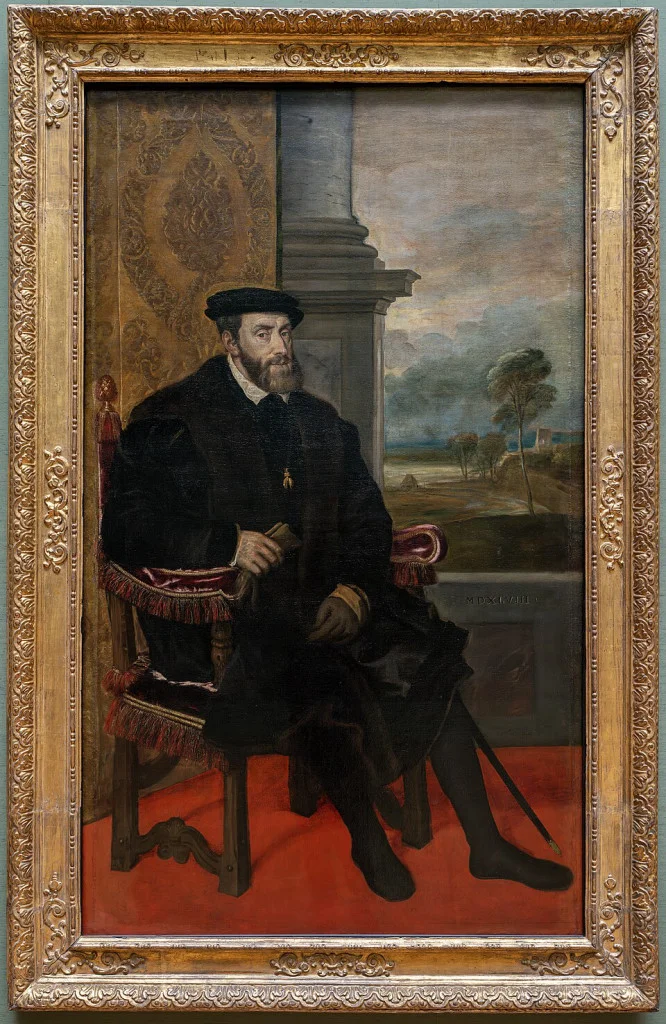
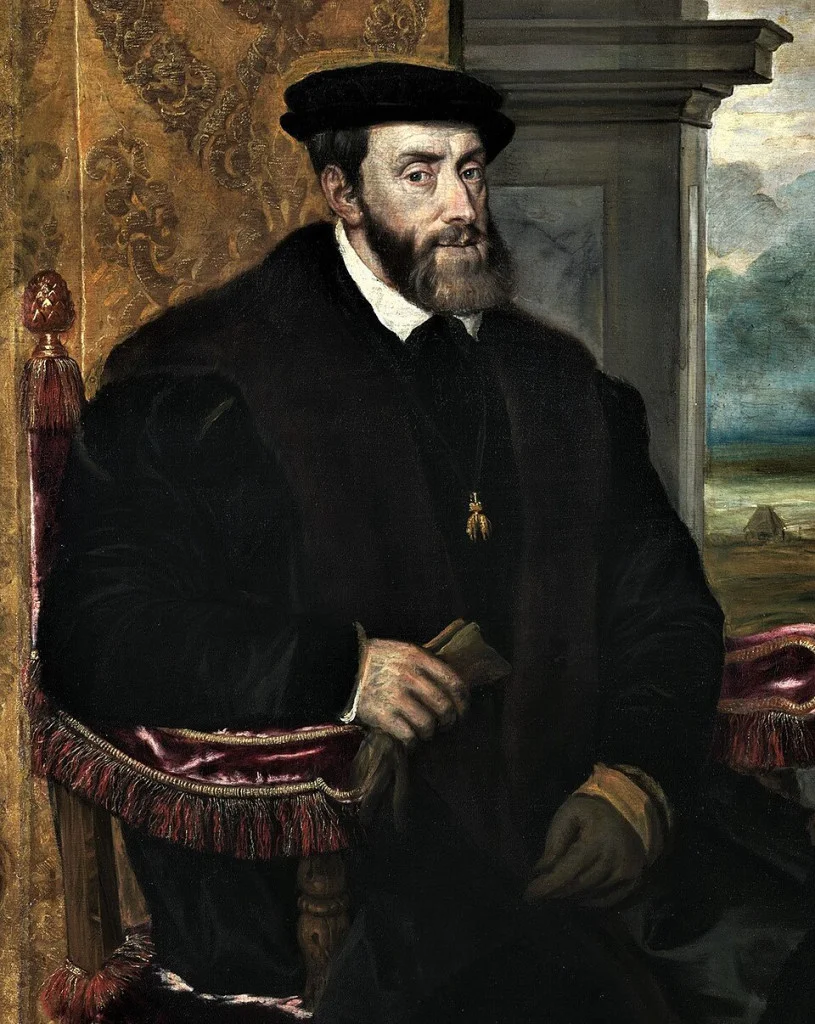
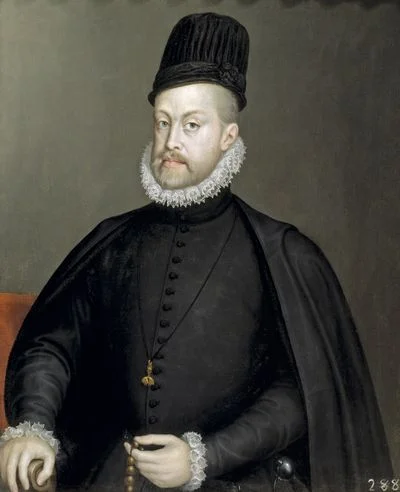
Philip was born to Holy Roman Emperor Charles V and Isabella of Portugal. As heir to the vast Habsburg domains, he was raised to rule the most powerful empire in the world.
Philip's beloved mother Isabella of Portugal died, deeply affecting the young prince. Her death left Charles V grief-stricken and began Philip's education in the solitary burden of kingship.
Philip married his cousin Maria Manuela of Portugal. She died two years later giving birth to the troubled Don Carlos, beginning Philip's series of tragic marriages.
Philip embarked on a grand tour of Italy, Germany, and the Netherlands to meet his future subjects. The tour introduced him to the complexities of governing his father's scattered domains.
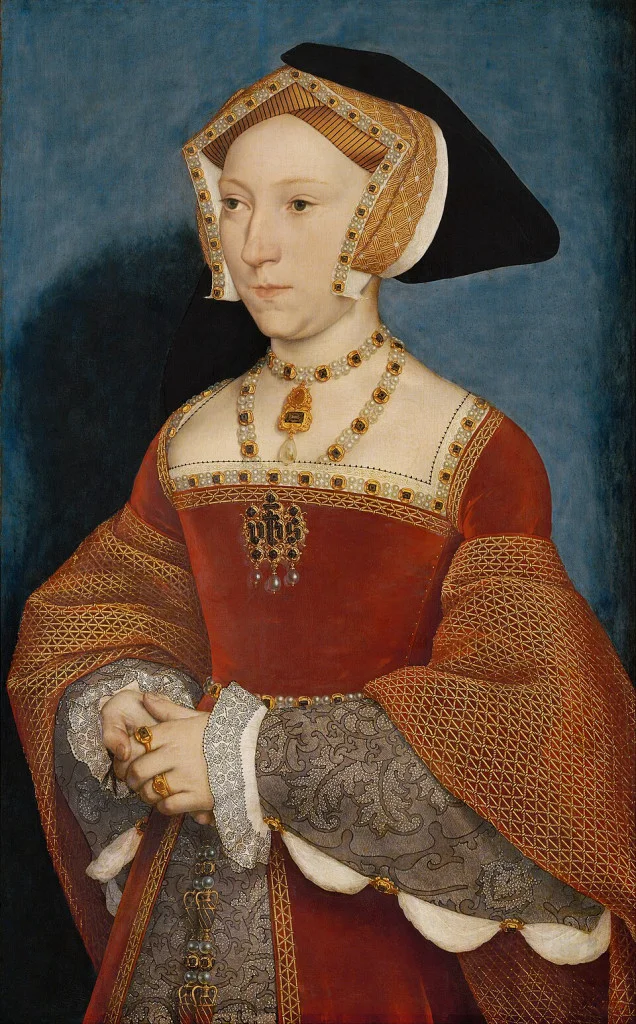
Philip married Mary I of England, becoming King of England in right of his wife. The marriage aimed to bring England back to Catholicism and create a Habsburg alliance, but produced no heir.
Charles V abdicated, making Philip King of Spain, Naples, Sicily, the Netherlands, and the vast American colonies. Philip inherited the world's first global empire on which 'the sun never set.'
Spanish forces won a decisive victory over France at St. Quentin. Philip commemorated this victory by building the Escorial palace-monastery, which became his seat of government.
Philip married Elisabeth of Valois, originally betrothed to his son Don Carlos. The marriage sealed peace with France, and Elisabeth became Philip's favorite wife before her death in 1568.
Philip's troubled son Don Carlos died in confinement, followed months later by Queen Elisabeth. These deaths sparked rumors of murder that haunted Philip's reputation for centuries.
The Holy League fleet, largely funded by Philip, destroyed the Ottoman navy at Lepanto. This victory, commanded by Philip's half-brother Don John, halted Ottoman expansion in the Mediterranean.
Philip inherited the Portuguese crown, uniting the Iberian Peninsula and creating the largest empire in history. He now ruled territories spanning four continents and two global oceans.
Philip completed the Escorial, his massive palace-monastery-mausoleum that embodied his vision of Catholic monarchy. From here he governed his global empire through mountains of paperwork.
Philip's 'Invincible Armada' sent to invade England was defeated by English ships and storms. This disaster marked the beginning of Spain's slow decline and the rise of English naval power.
Philip's fourth wife Anna of Austria had died in 1580 after bearing him the future Philip III. In his final years, Philip focused on securing the succession and preparing his son for rule.
Philip II died after a painful illness lasting 53 days. He ruled the largest empire in history for 42 years, championing Catholicism against Protestantism and leaving Spain financially exhausted but culturally triumphant.