Quick Facts
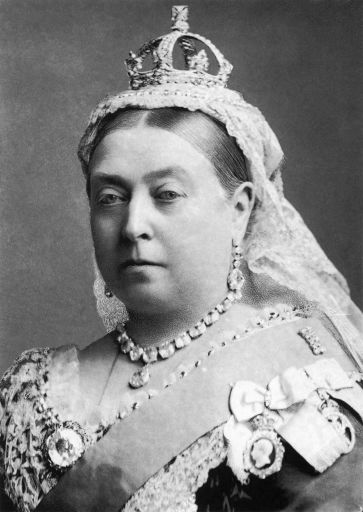
A formidable monarch who reshaped Britain’s empire, family politics, and public morality through relentless duty and symbolism.
Conversation Starters
Life Journey
Born at Kensington Palace to Prince Edward, Duke of Kent, and Princess Victoria of Saxe-Coburg-Saalfeld. Raised under the strict 'Kensington System,' she was closely managed by her mother and Sir John Conroy.
After the Duke of Kent died, Victoria’s place in the succession strengthened as King George IV had no legitimate surviving children. Her upbringing intensified, with tutors shaping her piety, languages, and political awareness.
During a genealogy lesson, Victoria realized she would likely become queen, which she recorded with resolve in her journals. The discovery sharpened her determination to escape Conroy’s influence and rule independently.
Awakened before dawn at Kensington Palace, Victoria was told of King William IV’s death and her accession. She insisted on private meetings with ministers, signaling a new authority distinct from her mother’s household control.
Her coronation drew huge crowds and global attention, turning monarchy into a modern public spectacle. Court ceremonies, music, and printed coverage helped craft a youthful image amid rising reform politics.
When Sir Robert Peel sought to change her ladies-in-waiting, Victoria resisted, leading him to decline forming a government. The episode revealed tensions between personal loyalty and constitutional convention in a party-based system.
Victoria married her cousin Albert at the Chapel Royal, St James’s Palace, forming a partnership that reshaped court life. Albert pushed administrative reform, patronage of science and industry, and a disciplined domestic ideal.
Edward Oxford fired shots at Victoria as she rode with Albert, shocking the nation and strengthening sympathy for the young royal couple. Subsequent attacks reinforced security concerns and heightened the monarchy’s public drama.
With Peel as prime minister, Albert increasingly acted as organizer, adviser, and intermediary in royal correspondence. Victoria learned to navigate party politics while defending royal dignity within constitutional limits.
As famine devastated Ireland, Victoria’s charitable gestures and official responses became politically charged symbols of imperial governance. The catastrophe strained relations between Dublin and London and intensified debates over relief and responsibility.
Amid Europe’s 1848 revolutions, Britain saw major Chartist demonstrations and fears of upheaval. Victoria and Albert monitored security closely, while the government mobilized forces to prevent violence and preserve order.
Albert spearheaded the Great Exhibition, showcasing global industry and design in Hyde Park’s Crystal Palace. Victoria embraced it as proof of national progress, commerce, and imperial reach, boosting the monarchy’s modern image.
The Crimean War brought scrutiny of leadership, logistics, and care for soldiers, amplified by newspapers and public reformers. Victoria corresponded with commanders and endorsed honors, while Florence Nightingale’s work changed military medicine.
Albert’s death at Windsor Castle devastated Victoria, who withdrew from public life and wore black for years. Her seclusion drew criticism, yet it also cemented a powerful narrative of marital devotion and duty.
As republican sentiment and criticism grew, ministers urged Victoria to reappear and reclaim public confidence. Ceremonial events and anniversaries helped restore popularity, presenting monarchy as stable amid rapid industrial change.
With Prime Minister Benjamin Disraeli’s support, Victoria adopted the title Empress of India to emphasize imperial authority. The move reflected the Raj’s centrality after 1857 and reinforced pageantry linking London to South Asia.
The Golden Jubilee brought elaborate processions and delegates from across the empire, projecting unity and power. Victoria’s personal endurance became a national symbol as Britain navigated class tension and global competition.
For her 60th year on the throne, Victoria’s Diamond Jubilee featured troops and leaders from colonies and dominions. The celebrations highlighted both imperial confidence and mounting questions about nationalism, reform, and governance.
Victoria died at Osborne House on the Isle of Wight after months of declining health, surrounded by children and grandchildren. Her passing ended the Victorian era, and Edward VII inherited a monarchy adapted to modern politics.