Quick Facts
Edo-period Rinpa master who revived decorative painting, blending poetic sensibility with bold, elegant nature motifs.
Conversation Starters
Life Journey
Born as the younger son of Sakai Tadazane, lord of Himeji Domain, he grew up amid Edo’s elite. The Sakai household’s access to cultured salons and collections exposed him early to classical poetry and painting.
As a samurai youth, he studied calligraphy, waka, and the etiquette of cultured gatherings expected of a daimyō family. These literary foundations later shaped the poetic titles and seasonal symbolism throughout his paintings.
He entered the art world through established Edo painters, learning brush control, pigments, and album formats favored by urban patrons. Exposure to multiple lineages helped him later synthesize Rinpa decoration with disciplined draftsmanship.
While studying older works circulating in Edo, he became captivated by the decorative manner associated with Ogata Kōrin and earlier Kyoto masters. He copied motifs like irises, waves, and plum blossoms to internalize their rhythms and spacing.
He joined circles where poets, monks, and connoisseurs exchanged paintings and elegant objects during seasonal gatherings. These relationships provided commissions and, crucially, access to rare Kōrin-era works that later fueled his revival efforts.
Though born to a ruling family, he increasingly prioritized painting and study over administrative roles. This shift reflected Edo’s growing culture of connoisseurship, where high-ranking patrons could pursue arts as a serious vocation.
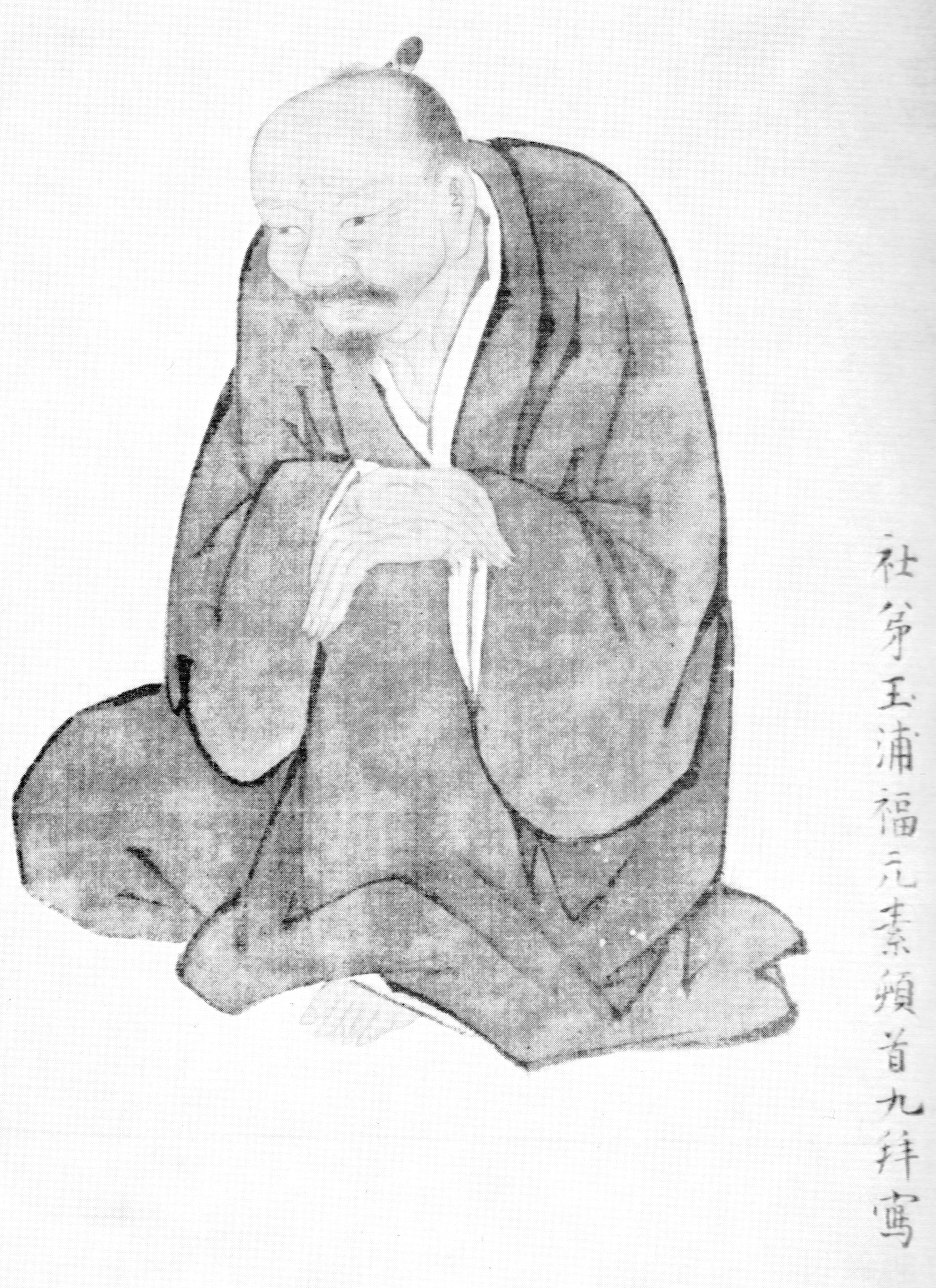
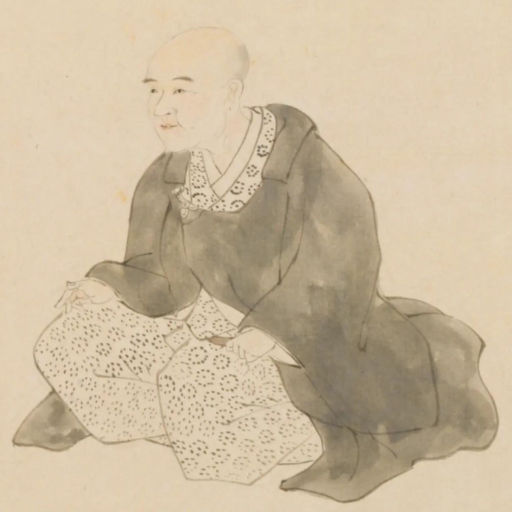
He took tonsure and adopted a monastic identity, redirecting his energies toward disciplined practice and artistic production. The move also placed him within temple networks that supported painting, poetry, and the exchange of cultural knowledge.
As Hōitsu, he attracted pupils and collaborators, teaching composition, color layering, and decorative patterning. His studio helped transplant Kyoto Rinpa aesthetics into Edo, adapting it to new patrons and contemporary tastes.
He concentrated on birds, flowers, and grasses rendered with elegant spacing and luminous color against quiet grounds. By pairing close observation with stylized design, he created works that felt both intimate and richly ornamental to Edo viewers.
He developed large-scale byōbu compositions suited to samurai and merchant reception rooms in Edo. Bold silhouettes, shimmering pigments, and rhythmic repetition turned common plants into grand, ceremonial images aligned with seasonal etiquette.
He organized projects that reproduced and disseminated designs associated with Ogata Kōrin, using printed formats that broadened access. By pairing scholarship with practical models, he helped standardize a ‘Kōrin taste’ for Edo artists and patrons.
He worked in intimate formats where poetry, calligraphy, and image could converse on a single page. These works fit Edo’s gift-giving culture, and their refined printing and color planning showcased his control of design at small scale.
Around the centennial of Kōrin’s death, he promoted commemorations that framed Kōrin as a canonical master worth emulating. These efforts strengthened Rinpa’s identity and positioned Hōitsu as the key mediator between Kyoto precedents and Edo practice.
He intensified wet-into-wet effects and subtle gradations to suggest moisture, wind, and seasonal change with minimal brushwork. The technique, rooted in earlier Rinpa, became in his hands a precise tool for atmosphere and decorative harmony.
In his final years he taught pupils who carried his design language into the nineteenth century, including figures such as Suzuki Kiitsu. His emphasis on disciplined copying, elegant spacing, and seasonal themes helped stabilize Edo Rinpa as a living tradition.
He died in Edo, leaving screens, albums, and printed materials that ensured Kōrin’s models remained central to decorative painting. Collectors and later museums treated his work as the definitive Edo bridge between aristocratic Kyoto taste and urban refinement.