Kurzinfo
Visionärer französischer Seefahrer, der Québec gründete, Nordamerika kartierte und fragile Bündnisse schmiedete, die das frühe Neufrankreich prägten.
Gesprächseinstiege
Lebensweg
Geboren im befestigten Atlantikhafen Brouage, wuchs er unter Seeleuten, Kaufleuten und Salzhandelsleuten auf. Die maritime Kultur der Saintonge prägte seine frühen Fähigkeiten in Navigation, Sprachen und praktischer Seemannschaft.
Als junger Mann diente er in Feldzügen während der späten französischen Religionskriege, vermutlich unter königlichen Befehlshabern, die Heinrich IV. loyal waren. Die Erfahrung lehrte ihn Festungsbau, Logistik und disziplinierte Berichterstattung – Fähigkeiten, die er später in Übersee einsetzte.
Er reiste mit einer spanischen Expedition durch die Karibik und Teile von Neuspanien und beobachtete Häfen, Verteidigungsanlagen und Handelsrouten. Seine detaillierten Notizen wurden zur Grundlage eines späteren Berichts, der französische Förderer beeindruckte, die koloniale Erkenntnisse suchten.
Zurück in Frankreich ordnete er seine Beobachtungen zu einem zusammenhängenden Bericht über spanische Kolonien, ihre Befestigungen und ihre Verwaltung. Der Bericht stärkte seinen Ruf als sorgfältiger Beobachter und öffnete ihm Türen bei Beamten, die an einer Ausweitung über den Atlantik interessiert waren.
Er segelte mit François Gravé du Pont zum Sankt-Lorenz-Strom und traf nahe Tadoussac Innu-Führer. Er untersuchte den strategischen Wert des Flusses und hielt Diplomatie- und Handelsdynamiken fest, die den französischen Zugang ins Landesinnere prägten.
Unter Pierre Dugua de Mons half er, eine Siedlung auf der Île Sainte-Croix zu errichten, um zu erproben, wie Europäer atlantische Winter überstehen konnten. Krankheit und Skorbut verwüsteten die Kolonie, was ihn dazu brachte, bessere Standorte und Versorgungssysteme zu planen.
Nach dem katastrophalen Winter verlegten die Franzosen die Kolonie nach Port-Royal, wo er Gebäude entwarf und die Ernährungssicherheit verbesserte. Die Siedlung wurde zu einer stabileren Basis für Erkundungen und Beziehungen zu Mi'kmaq-Gemeinschaften in Akadien.
Als Hofintrigen in Frankreich de Mons’ Monopol untergruben, musste das akadische Unternehmen zurückgefahren werden und viele Siedler kehrten zurück. Champlain nutzte den Rückschlag, um für einen besser gelegenen Stützpunkt am Sankt-Lorenz-Strom zu werben, der an Pelzhandelsrouten angebunden war.
Er wählte die Engstelle des Sankt-Lorenz-Stroms bei Québec, um den Flussverkehr zu kontrollieren und einen dauerhaften Brückenkopf für Neufrankreich zu schaffen. Mit einer kleinen Mannschaft errichtete er die Habitation de Québec und setzte zum Überleben auf strenge Rationierung und Bündnisse.
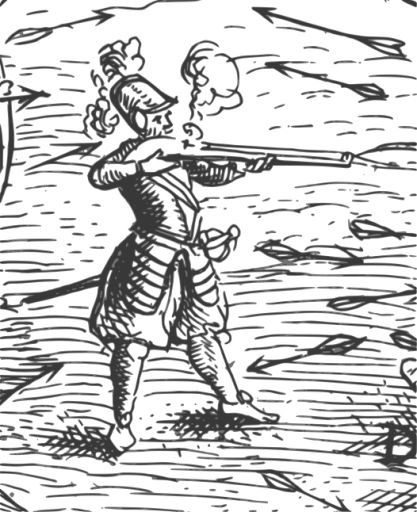
Gemeinsam mit Wendat- und Algonquin-Verbündeten zog er gegen die Haudenosaunee nach Süden und kämpfte nahe einem See, der später seinen Namen trug. Das Feuer seiner Arkebuse schockierte die Gegner und verhärtete Feindschaften, was Jahrzehnte der Grenzkriegsführung und Diplomatie prägte.
Er verhandelte Handel und militärische Zusammenarbeit mit regionalen Nationen, um die Pelzversorgung und die Sicherheit der Franzosen zu sichern. Diese Abkommen beruhten auf Geschenkegaben, gegenseitigen Verpflichtungen und der Bereitschaft Frankreichs, in bestehende diplomatische Netzwerke einzutreten.
Er stieß den Ottawa hinauf, um Routen zu den Großen Seen zu erkunden und Berichte indigener Führer zu überprüfen. Zwar erreichte er nicht das erhoffte fernste Ziel, doch seine Tagebücher klärten die Geografie und strategische Engpässe für Frankreich.
Er reiste nach Wendake und beteiligte sich an einem Angriff auf eine Onondaga-Befestigung und erlebte die Grenzen französischer Waffen und der Koordination mit Verbündeten. In den Kämpfen verwundet, überwinterte er bei Wendat-Gastgebern und hielt ihre Politik und Lebensweisen fest.
Ihm wurde die Führung der Verwaltung Neufrankreichs anvertraut; er lenkte Siedler, Handel und Befestigungen unter königlicher Autorität. Er verbesserte die Verteidigung Québecs und bemühte sich, trotz harten Klimas und knapper Vorräte Investitionen und Zuwanderung zu fördern.
Als sich der Krieg verschärfte, griffen die Engländer französische Versorgungswege und atlantische Kolonien an und bedrohten das Überleben Québecs. Champlain drängte auf Verstärkungen und Nachschub, während er zugleich konkurrierende Händler und wechselnde Prioritäten der französischen Krone ausbalancierte.
Nach Blockade und schweren Versorgungsengpässen übergab er Québec an englische Freibeuter unter David Kirke und dessen Brüdern. Nach England gebracht, argumentierte er, die Eroberung sei unrechtmäßig gewesen, da in Europa bereits Friedensverhandlungen im Gange gewesen seien.
Der Vertrag von Saint-Germain-en-Laye gab Québec an Frankreich zurück, und er kehrte zurück, um Verwaltung und Handel der Kolonie neu aufzubauen. Er nahm die Planung von Siedlungen wieder auf, stärkte Bündnisse und bekräftigte französische Ansprüche entlang des Sankt-Lorenz-Stroms.
Er befürwortete die Gründung von Trois-Rivières als strategischen Handelsposten zwischen den Routen von Québec und Montreal. Die neue Siedlung verbesserte den Zugang zu Pelzen und trug dazu bei, die französische Präsenz trotz Konkurrenz und anhaltender regionaler Konflikte zu stabilisieren.
Nach einer Krankheit – oft als Schlaganfall beschrieben – starb er in Québec, wo er Frankreichs dauerhaftesten nordamerikanischen Stützpunkt geleitet hatte. Seine Karten, Schriften und seine Diplomatie prägten die Institutionen Neufrankreichs noch lange nach seinem Tod.