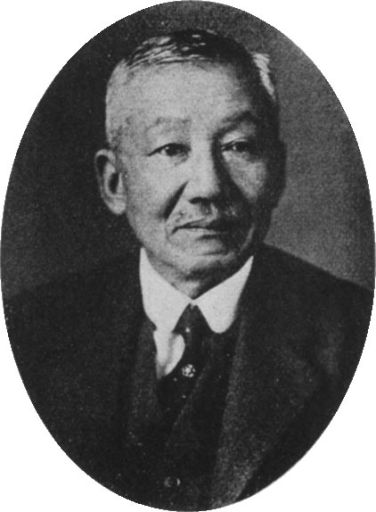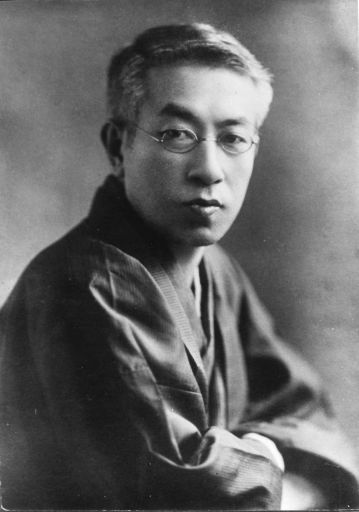
A pioneering Japanese novelist-poet who helped shape modern literature through naturalism, social critique, and lyrical introspection.
대화 시작하기
인생 여정
He was born in Magome-juku, Kiso Province, a Nakasendō post station in present-day Nagano. Growing up amid Meiji-era upheaval, he absorbed local history and the tensions between old status orders and new nationhood.
As a teenager he went to Tokyo and encountered new educational institutions and Western ideas flooding Meiji Japan. He gravitated toward poetry and criticism, building contacts that later anchored his career as a public writer.
He studied at Meiji Gakuin, where English-language learning and Christian intellectual currents were strong. Exposure to European Romanticism and modern social thought broadened his aims beyond traditional Japanese verse forms.
He started appearing in literary magazines that shaped Meiji cultural life, developing a voice attentive to selfhood and society. These early publications positioned him among emerging modernists seeking new Japanese literary expression.
His collection Wakanashū (Young Herbs) brought him wide recognition for its lyrical Romantic sensibility and fresh diction. It captured youthful longing in a modern idiom, helping redefine poetry for a rapidly changing Japan.
After early poetic success, he began to see prose as better suited to portraying class, family pressure, and modernization. The shift reflected broader debates over naturalism and the role of literature in social diagnosis.
His novel The Broken Commandment (Hakai) confronted discrimination against Burakumin through a teacher who hides his origin. By placing stigma inside everyday institutions, he pushed Japanese fiction toward frank social realism.
With his growing reputation, he was read alongside writers advancing shizenshugi (naturalism) in early twentieth-century Japan. His work blended psychological candor with critique of inherited status, marriage, and community norms.
In The Family (Ie), he examined domestic authority, obligation, and the costs of modern individualism. The novel used intimate household detail to illuminate how Meiji social reforms still left older hierarchies intact.
He went to France and encountered Parisian literary life during a period of intense artistic ferment. The experience sharpened his sense of Japan’s modernization as a global phenomenon rather than a purely national story.
As war spread across Europe, he returned to Japan with a more comparative view of culture and politics. His later writing increasingly fused personal memory with historical interpretation, reflecting a widened horizon.
He started shaping family and regional materials into a long historical narrative about the Meiji Restoration’s effects. By linking village life to national ideology, he sought to show how ordinary people carried history’s burdens.
Before the Dawn (Yoake mae) drew on Kiso and the Nakasendō to depict ideological turmoil from late Tokugawa to early Meiji. Its protagonist’s faith in progress collides with repression, mirroring Japan’s uneven modernization.
Finishing the later volumes, he delivered one of modern Japan’s landmark historical novels, blending documentary texture with psychological tragedy. The work strengthened his standing as a writer who could narrate nation and self together.
As Japan entered a more militarized era, he remained a prominent literary elder amid tightening public discourse. His longstanding focus on conscience, community, and history gained new resonance as politics demanded conformity.
He died in 1943 as the Pacific War reshaped everyday life in Japan, leaving an oeuvre spanning poetry, naturalist novels, and historical epic. Later readers treated him as a bridge between Meiji idealism and modern disillusionment.