Quick Facts
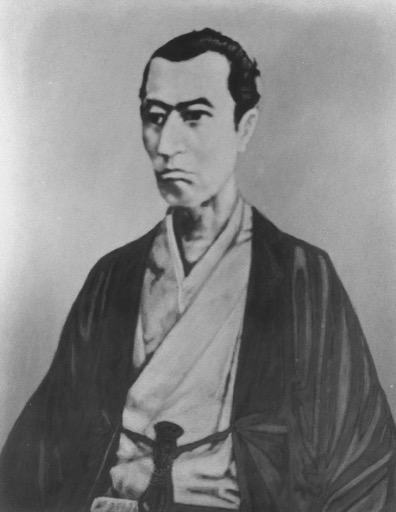
Brilliant Sengoku strategist famed for calm intellect, bold deceptions, and loyal service to Toyotomi Hideyoshi's rise.
Conversation Starters
Life Journey
Born into the Takenaka clan, a samurai family tied to the shifting politics of Mino Province. Growing up near key routes between Owari and Kyoto, he learned how castles, alliances, and supply lines decided wars.
As a youth he studied classical learning alongside practical military arts expected of a provincial commander. Senior retainers trained him in fortification oversight, recordkeeping, and the careful reading of rivals’ intentions.
Mino was contested between the Saitō regime and neighboring powers, and loyalties shifted quickly among local lords. He observed how Saitō Dōsan’s legacy and Saitō Yoshitatsu’s rule fractured the province’s unity.
Taking on heavier responsibility within the Takenaka household, he managed retainers, land income, and defense duties. His reputation grew for measured judgment, preferring information and timing over reckless heroics.
Operating within the Saitō sphere, he navigated the demands of powerful castle-holding families and their rival factions. He learned that persuasion and hostages often mattered as much as spear and bow on the battlefield.
Exploiting lax discipline at Inabayama Castle, he reportedly entered with a small party and took control through deception. The episode shocked Mino’s elites and showcased how audacity, planning, and psychology could beat numbers.
Oda Nobunaga defeated the Saitō and transformed Inabayama into Gifu Castle, making Mino a base for wider campaigns. Hanbei’s local knowledge and networks became strategically valuable as power shifted to the Oda.
As Nobunaga pushed into Kyoto politics, regional leaders recalculated their positions to survive. Hanbei’s reputation for restraint and clear-eyed assessment helped him avoid fatal entanglements in factional feuds.
Drawn to Hideyoshi’s talent for logistics and coalition-building, he became a trusted strategist within the Oda camp. His counsel emphasized scouting, disciplined camps, and turning local grievances into alliances.
With Ashikaga Yoshiaki expelled and the Muromachi shogunate effectively ended, warfare shifted toward territorial unification. Hanbei supported Hideyoshi’s operations by coordinating plans that matched political aims to military means.
He contributed to Hideyoshi’s reputation for rapid sieges by emphasizing supply security, route control, and timely negotiations. Rather than seeking personal glory, he prioritized outcomes that preserved men and resources for the next fight.
Hideyoshi’s western advance required managing castles, river crossings, and uneasy local partners under Mori influence. Hanbei’s planning helped synchronize sieges with diplomacy, ensuring surrendered garrisons could be repurposed quickly.
Campaigning in the west depended on chaining secure strongpoints to protect messengers and rice shipments. Hanbei favored working through regional intermediaries, using promises and measured pressure to flip allegiances without prolonged battles.
Long sieges tested morale and provisioning, and he focused on blockade discipline and information control. These methods helped Hideyoshi sustain pressure while avoiding costly assaults that could drain the army’s veteran core.
He died relatively young, depriving Hideyoshi of a renowned planner at a critical moment in the western wars. Later chronicles and popular culture memorialized him as a model strategist whose mind mattered more than brute force.
Years of campaigning took a toll, and he became seriously ill while operations continued in the Chugoku region. Even while weakened, he remained involved in counsel, valued for his calm perspective and concise assessments.