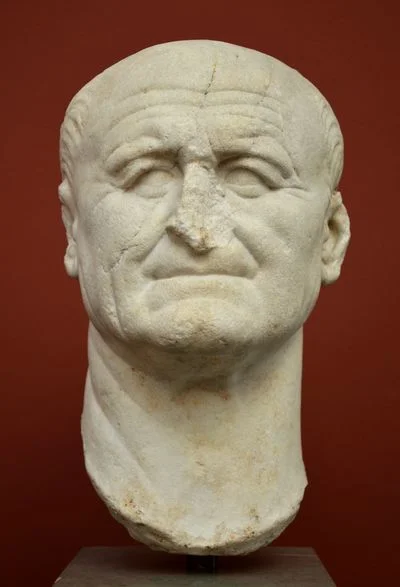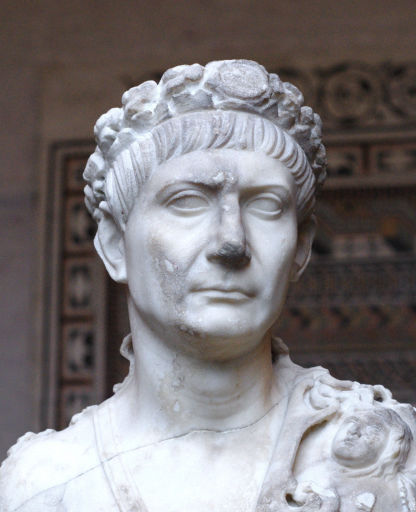
로마 제국을 역사상 가장 넓은 범위로 확장한 군인 황제로, 대담한 공공사업과 실용적인 행정 운영에 막대한 자원을 투입했다.
대화 시작하기
인생 여정
바에티카의 로마 식민지 이탈리카에서 유력한 원로원 가문 출신으로 마르쿠스 울피우스 트라야누스로 태어났다. 히스파니아-로마 문화권에서 성장했으며, 가족의 인맥을 통해 황제군과 속주 행정 분야에서 유리한 기반을 얻었다.
젊은 장교로서 라인 강변의 군단에서 복무하며, 용맹만큼이나 규율과 보급이 중요하다는 사실을 체득했다. 혹독한 국경 환경은 그의 침착한 지휘와 병사들과의 긴밀한 유대라는 명성을 다지는 데 큰 영향을 주었다.
루키우스 안토니우스 사투르니누스의 반란이 일어나자 트라야누스는 병력을 신속히 이동시켜 황제의 권위를 보강했다. 도미티아누스 황제에 대한 충성심과 위기 대응 능력은 그를 고위 지휘관들 사이에서 한층 돋보이게 했다.
트라야누스는 로마의 최고 관직 중 하나인 집정관직을 수행하며 원로원 엘리트의 인정을 받았음을 보여주었다. 이 직책은 그의 공적 위상을 높였고, 군사적 명성을 수도의 헌정적 정당성과 결합시키는 계기가 되었다.
근위대의 동요에 직면하고 군의 지지가 필요했던 네르바 황제는 트라야누스를 입양해 후계자로 지명했다. 이 선택은 국경의 군단을 안심시켰고, 원로원의 존중을 받는 군인 황제로의 의도적 전환을 의미했다.
네르바가 사망하자 트라야누스는 최고 통치자가 되었고, 초기에는 라인 지역 군대를 곁에 두어 안정을 확보했다. 공포 정치가 아닌 절제된 강경함으로 이행을 관리하며, 원로원과 속주 지휘관들과의 협력적 분위기를 조성했다.
트라야누스는 개인적 과시보다 절제와 시민적 의무를 강조하며 로마에 입성했다. 그는 원로원과 상의하고 유능한 행정가를 등용하며, 법과 봉사가 통치의 기준이 될 것임을 분명히 했다.
플리니우스는 도미티아누스의 폭정과 대비되는 트라야누스의 정의와 자제를 칭송하는 공식 원로원 연설을 했다. 이 연설은 동시대의 중요한 인물상으로 남아, 안정적이고 합법적인 통치에 대한 엘리트의 기대를 반영했다.
트라야누스는 다뉴브 강을 넘어 다키아의 왕 데케발루스에 맞섰는데, 그의 약탈은 로마 속주를 위협하고 있었다. 이 원정은 로마의 공학과 공성 기술을 과시했으며, 국경을 안정시키고 전략 자원을 확보하려는 목적을 지녔다.
큰 전투 끝에 데케발루스는 다뉴브 방면의 압박을 일시적으로 낮추는 조건을 수용했다. 트라야누스는 이 휴지기를 이용해 요새화를 진행하고 기반시설을 정비하며, 결정적 우위를 확보하지 못하면 합의가 무너질 수 있음을 알고 대비했다.
전쟁이 재개되자 트라야누스는 더 큰 병력과 더 촘촘한 보급 체계를 갖추고 다키아로 돌아왔다. 로마군은 다키아의 수도를 향해 압박을 강화했으며, 이번 원정은 데케발루스를 장기적 위협에서 완전히 제거하려는 목표를 지녔다.
데케발루스가 패배한 뒤 다키아는 로마의 속주로 편입되었고, 금광을 포함한 자원은 제국 재정에 막대한 힘이 되었다. 이 승리는 대규모 건축 사업의 자금이 되었고, 식민도시와 도로, 상비 주둔군을 통해 다뉴브 국경을 강화했다.
트라야누스는 아리멘타 제도를 확장해 국가가 보증하는 대출을 통해 이탈리아의 자유민 자녀들에게 정기 수당이 지급되도록 했다. 도로와 항만 개선과 결합된 이 정책은 사회 안정과 경제 발전을 이탈리아 전역에서 연결하려는 시도였다.
트라야누스는 다마스쿠스의 아폴로도로스와 함께 바실리카, 도서관, 시장을 포함한 거대한 포룸 복합단지를 조성했다. 이 사업은 로마의 도시 중심을 재편하며, 돌과 질서, 접근성으로 제국의 유능함을 과시했다.
트라야누스는 아르메니아와 메소포타미아 국경을 둘러싼 파르티아의 영향력에 도전하기 위해 동방으로 진군했다. 이 원정은 속국을 확실히 하고 로마의 우위를 보여주려는 것이었지만, 긴 보급선은 전선 후방의 불안을 예고했다.
로마의 직접 통치를 स्थापित한 뒤 아르메니아는 속주로 선포되어, 경쟁하는 완충지대에서 파르티아의 영향력을 밀어냈다. 이는 속국 체제가 신뢰하기 어렵다고 판단될 때 형식적 병합을 선호한 트라야누스의 성향을 보여준다.
로마군은 파르티아의 수도 크테시폰을 점령했고, 트라야누스는 페르시아만까지 진출하며 압도적 세력을 과시했다. 그러나 새로 점령한 도시들에서 반란이 일어나고 주둔군에 부담이 커지면서, 급속 정복의 한계가 곧 드러났다.
반란이 확산되고 지휘 부담이 커지자 트라야누스는 후퇴를 승인하고 긴급 작전을 신뢰하는 장교들에게 위임했다. 그의 건강이 악화되면서 동방 전쟁은 확장에서 피해 통제와 명성 보전에 더 무게를 두게 되었다.
트라야누스는 로마로 돌아가는 길에 사망했으며, 황후와 고위 관료들의 조율로 하드리아누스에게 계승이 확보된 것으로 여겨진다. 그는 영토가 정점에 이른 제국과, 기념비적 공공투자라는 유산을 남겼다.