Quick Facts
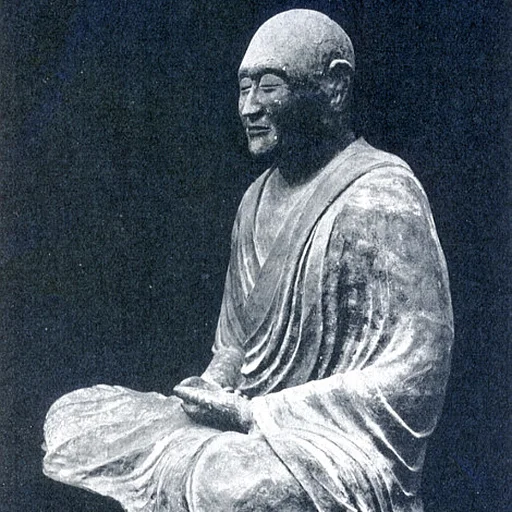
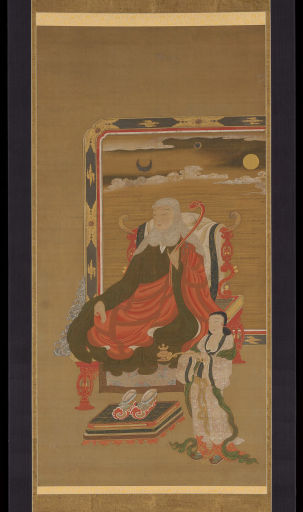
Brilliant Silla Buddhist monk who harmonized rival doctrines, popularized practice, and reshaped East Asian Buddhist thought.
Conversation Starters
Life Journey
Born in Silla Korea, likely in the Gyeongju region as the kingdom consolidated power on the peninsula. Growing up amid court Buddhism and regional rivalries shaped his later drive to reconcile doctrinal disputes.
As a youth he began formal Buddhist training, learning sutra recitation, monastic discipline, and basic Mahayana doctrine. The intellectual culture of Silla monasteries introduced him to multiple schools competing for authority.
He received full ordination and pursued rigorous study alongside meditation, moving between temples to seek renowned teachers. This blend of scholasticism and practice became a hallmark of his later method of instruction.
Wonhyo developed a close friendship with the monk Uisang, sharing texts and debating Huayan, Yogacara, and Madhyamaka ideas. Their collaboration pushed him toward a vision of Buddhism that could bridge sectarian boundaries.
He and Uisang attempted a journey to Tang China, then the center of Buddhist learning, aiming to study advanced doctrine and translation traditions. The trip reflected Sillaโs active cultural exchange with the Tang court and monasteries.
On the road he drank water in the dark believing it pure, only to discover it had pooled in a human skull. The shock clarified for him that experience is shaped by mind, inspiring a more direct, practical approach to awakening.
After his insight, he concluded that searching abroad was less urgent than transforming understanding at home. He returned to Silla to write and teach, while Uisang continued onward and later brought Huayan lineages back to Korea.
He articulated a method for resolving doctrinal conflicts by showing how seemingly opposed teachings address different capacities and contexts. This approach helped Silla Buddhism avoid rigid sectarianism and encouraged synthesis across schools.
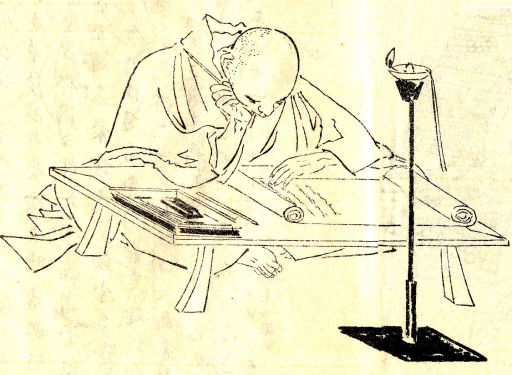
Wonhyo wrote commentaries and treatises engaging the Awakening of Faith, Nirvana Sutra traditions, and Yogacara thought. His writings clarified technical ideas in accessible language, influencing later Korean, Chinese, and Japanese scholars.
As Silla allied with Tang and defeated rival kingdoms, Buddhism expanded as a state-supported ideology and cultural force. In this climate he emphasized inner transformation and reconciliation, offering teachings that could unite diverse communities.
Traditions describe him loosening conventional monastic formality to reach ordinary people through songs, stories, and direct instruction. This stance reflected his belief that awakening is not confined to institutions or elite scholastic circles.
He promoted practices such as Amitabha recitation as skillful means for laypeople and monks alike. By framing devotion alongside insight, he broadened participation in Buddhism beyond court patrons and specialized meditators.
Wonhyo engaged other scholars in disputes over consciousness-only, emptiness, and Buddha-nature interpretations circulating from Tang China. His reconciliatory answers trained students to compare sources carefully rather than defend a single camp.
Through lectures and writings, he shaped curricula used in Silla monasteries and study halls. His synthesis helped later Korean Buddhism integrate scholastic exegesis with practice, influencing lineages that persisted for centuries.
In his later years he stressed that doctrinal maps must lead to lived transformation, not merely debate. He continued revising arguments across texts, showing how compassion, ethics, and wisdom function together in daily life.
Silla monks and scribes copied his treatises for temple libraries, and traveling clerics carried his ideas across the peninsula. His frameworks for reconciliation made his works useful in many schools, even those he originally critiqued.
Wonhyo died in Silla, leaving a large corpus of commentaries and a model of inclusive Buddhist practice. Later East Asian Buddhists remembered him as a bridge-builder who turned doctrinal conflict into deeper understanding.