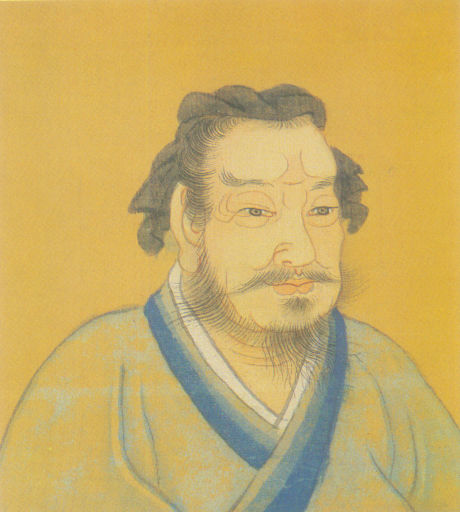
Quick Facts
A brilliant Warring States strategist who nearly erased Qi, famed for coalition warfare, discipline, and restrained statecraft.
Conversation Starters
Life Journey
Yue Yi was born in Zhao amid constant interstate rivalry, where talented commanders could rise quickly through merit. The fractured political landscape of northern China shaped his early focus on strategy, alliances, and disciplined command.
As a young man, Yue Yi absorbed the era’s practical arts of war, logistics, and persuasion, learning how courts rewarded results over pedigree. He became known for calm judgment and an ability to weigh long campaigns against fragile politics.
Facing intense competition among Zhao’s established families, Yue Yi traveled north to Yan, a frontier state eager for capable reformers. Yan’s rulers sought talent to resist stronger neighbors, giving him room to build influence at court.
Under King Zhao of Yan, Yue Yi gained a reputation for clear planning and strict discipline, emphasizing supply lines and morale. His advice aligned with Yan’s ambitions to recover from earlier humiliations and challenge powerful Qi.
Yue Yi argued that Yan alone could not crush Qi, so he pushed for coordinated pressure with other states. He helped frame Qi as a shared threat, turning rivalry into temporary cooperation through promises of spoils and strategic timing.
With King Zhao’s backing, Yue Yi took overall command as Yan aligned with Qin, Zhao, Han, and Wei against Qi. He coordinated routes and objectives so separate armies could converge, aiming to overwhelm Qi’s defenses in a single season.
The coalition struck Qi hard, exploiting internal court disorder and the erosion of Qi’s earlier hegemony. Yue Yi’s forces broke key defenses and advanced rapidly, turning battlefield success into political shock across eastern China.
Yue Yi seized Linzi, Qi’s famed capital, disrupting administrative control and forcing the Qi court into flight. He presented the conquest as orderly rather than vengeful, seeking to preserve tax revenue and prevent guerrilla resistance.
To reduce backlash, Yue Yi reportedly punished looting and emphasized protection of civilians and local granaries. This policy aimed to convert fear into compliance, keeping cities open to Yan administration while the coalition’s momentum lasted.
Within a short time, many Qi cities submitted, and Yue Yi’s campaign appeared close to total victory. Yet resilient strongpoints remained, where local leaders rallied defenders and used walls, supplies, and propaganda to resist occupation.
The fortress of Jimo became the symbol of Qi’s survival, tying down Yan forces and stretching supply lines. The defenders exploited local loyalty and the difficulty of assaulting prepared walls, turning rapid conquest into slow attrition.
King Zhao’s death altered the balance of trust that protected Yue Yi at court, exposing him to rivals and suspicion. In Warring States politics, commanders who grew too famous often became targets, regardless of battlefield achievement.
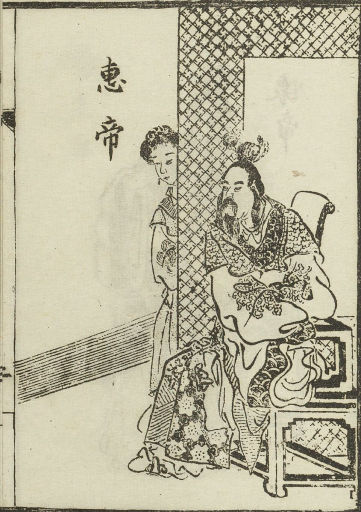
King Hui of Yan was reportedly influenced by slander that questioned Yue Yi’s loyalty and intentions in Qi. He replaced Yue Yi with another general, undermining continuity of command and signaling to Qi that Yan’s leadership had fractured.
Recognizing the danger of remaining under a suspicious ruler, Yue Yi departed Yan and sought refuge in Zhao. Exile was a common survival tactic for famed ministers, especially when a change of king invited purges and scapegoating.
After Yue Yi’s removal, Qi leaders rebuilt morale and exploited Yan’s missteps, while defenders at Jimo and other sites pressed counterattacks. The reversal highlighted how discipline and governance mattered as much as victories in the field.
In Zhao, Yue Yi lived as a valued but politically cautious counselor, emphasizing coalition management and the limits of conquest. His experience in Qi became a lesson in how court politics can undo even the most successful campaigns.
Later thinkers and historians cited Yue Yi when debating disciplined occupation, restraint, and the relationship between commanders and rulers. His near-destruction of Qi, followed by political downfall, offered a cautionary model for ambitious states.
Yue Yi died away from the Yan court he once served, his career shaped as much by intrigue as by battlefield brilliance. His story endured because it captured a Warring States truth: victory required trust, patience, and stable governance.