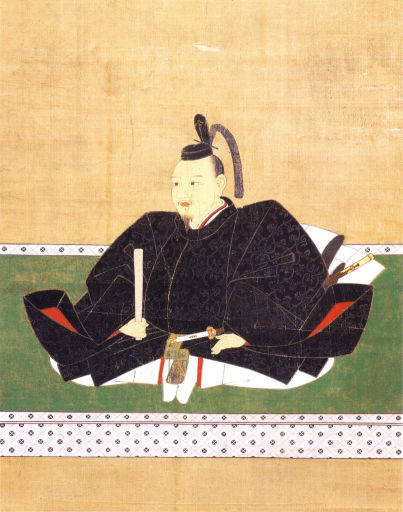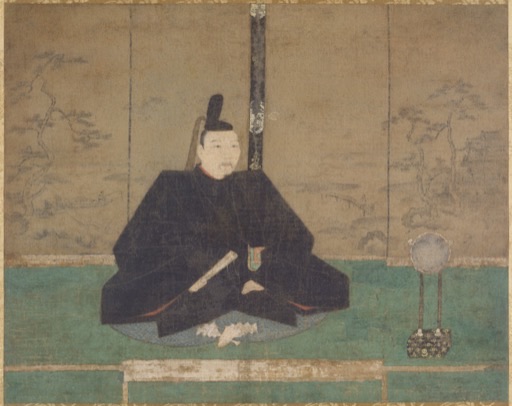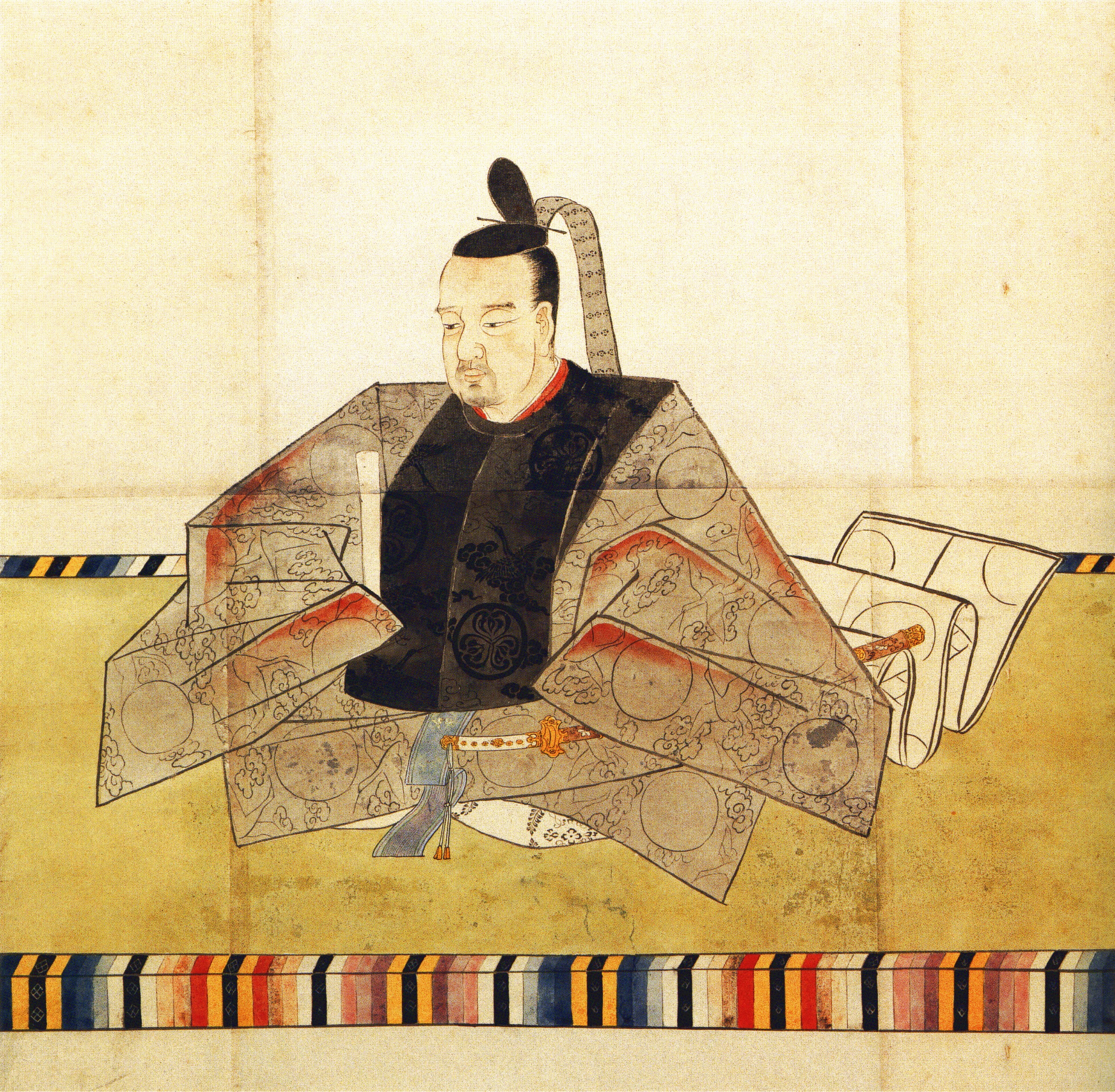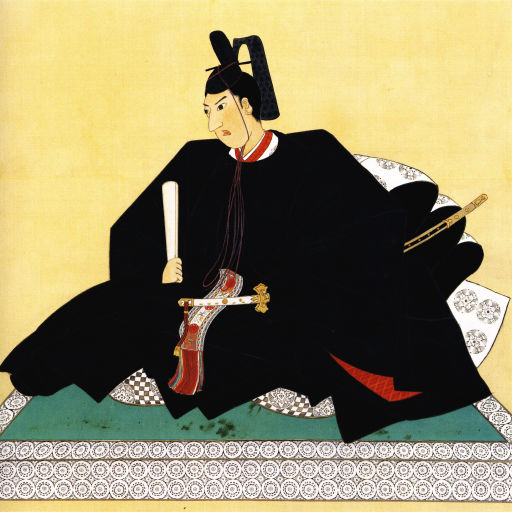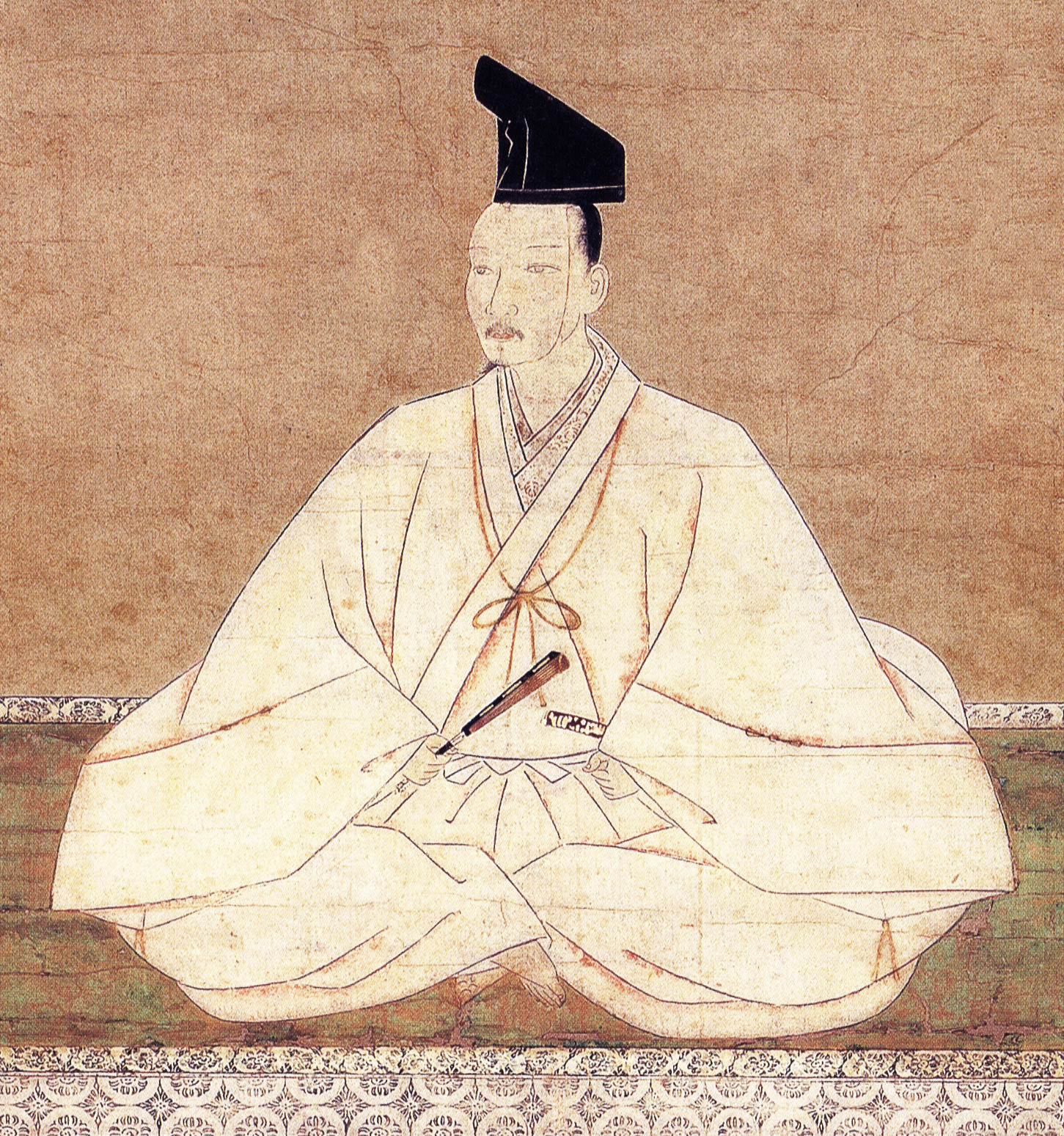
Ruthless reforming shogun who centralized Muromachi power, patronized culture, and sparked fear through harsh, decisive rule.
对话开场白
人生历程
Born as Ashikaga Yoshinori (also known in youth as Yoshiharu), a son of Shogun Ashikaga Yoshimitsu. Raised amid Muromachi politics in Kyoto, he grew up surrounded by court ceremony and warrior factionalism.
After Yoshimitsu died, power shifted to Yoshinori's elder brother Ashikaga Yoshimochi and his advisors. As a younger son, Yoshinori’s path narrowed, and the family began steering him toward religious life to avoid succession conflict.
He became a monk and took a religious name, living within the elite Zen establishment tied to the shogunate. The move kept him close to political information and patrons while formally removing him from immediate succession.
The Oei Invasion (a Joseon-led campaign against Japanese pirates on Tsushima) exposed limits of Muromachi maritime control. From Kyoto’s religious and court circles, Yoshinori observed how security failures could undermine shogunal legitimacy.
As a high-born monk, he cultivated connections among Zen institutions, aristocratic families, and shogunal retainers. These networks later provided crucial support when the succession unexpectedly opened after Yoshimochi’s heir problem worsened.
Shogun Ashikaga Yoshimochi died, leaving the regime vulnerable to rivalry among powerful clans and officials. The shogunate searched for a candidate who could command fear and obedience, even at the cost of consensus politics.
Leading figures, including the kanrei Hatakeyama Mochikuni, supported choosing Yoshinori among eligible Ashikaga princes. Tradition later remembered the decision as guided by a lottery at Iwashimizu Hachimangu, reflecting both ritual and realpolitik.
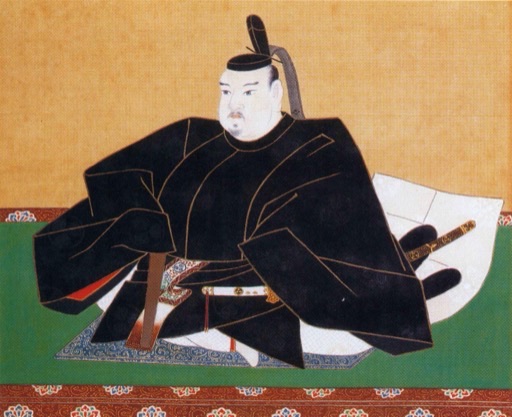
He left clerical life and took the name Ashikaga Yoshinori, becoming the sixth shogun in Kyoto. His accession marked a turn toward direct, coercive governance designed to curb fractious daimyo and bureaucratic obstruction.
Yoshinori strengthened the bakufu by issuing strict orders and making examples of defiant vassals. He relied on swift punishments, confiscations, and forced retirements to signal that shogunal authority outweighed clan privilege.
He pressed powerful houses such as the Yamana and Hosokawa to accept tighter supervision and court attendance. The atmosphere in Kyoto grew tense as rumors of sudden executions and demotions made even senior lords fear the shogun’s temper.
The shogunate sought more predictable revenues and control over appointments, aiming to reduce corruption and private tolls. Yoshinori’s insistence on obedience improved compliance in some areas but also deepened resentment among affected interests.
Despite his severity, he supported refined Muromachi culture associated with Kyoto’s aristocracy and Zen temples. His court hosted ceremonies and artistic exchanges that reinforced legitimacy, even as politics became increasingly coercive.
Yoshinori’s treatment of Akamatsu Mitsusuke and his family grew confrontational as he demanded tighter submission and threatened dispossession. The Akamatsu, long-standing military governors, saw the shogun’s unpredictability as an existential danger.
He reshuffled offices and compelled leading warriors to accept decisions made at Kyoto, limiting regional autonomy. These actions briefly strengthened central authority, but they also convinced threatened lords that survival required drastic countermeasures.
By this point, the shogun’s court was notorious for sudden reversals, punishments, and humiliations of elites. Allies stayed close out of caution, while enemies quietly coordinated, turning the capital into a pressure cooker of conspiracy.
During a banquet at his residence, Yoshinori was killed by Akamatsu Mitsusuke in a dramatic coup. The assassination shocked Kyoto and exposed the limits of terror-based rule, triggering purges and instability across the shogunate.
After his death, the regime moved quickly to install Ashikaga Yoshikatsu, a child shogun, under heavy influence of senior retainers. The aftermath strengthened daimyo bargaining power and made future shoguns more dependent on coalition politics.