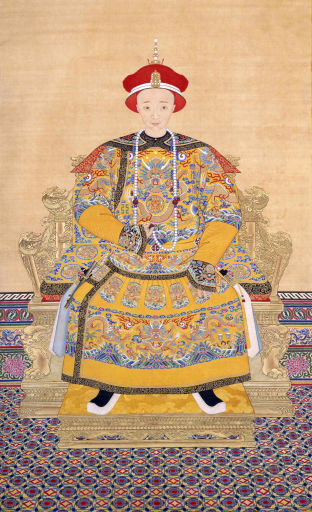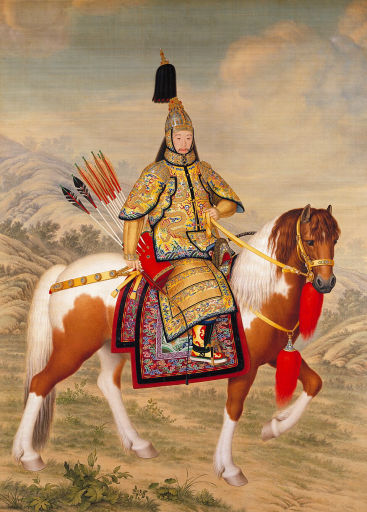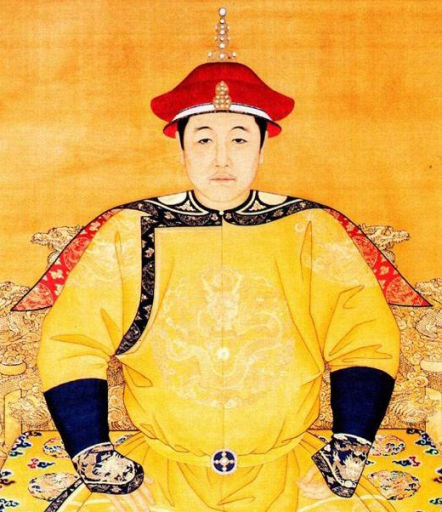
A youthful Qing ruler who consolidated conquest-era rule, promoted Han officials, and wrestled with court factions and faith.
对话开场白
人生历程
Born in the Qing court as Fulin, son of Hong Taiji and Empress Xiaozhuang (Bumbutai). His childhood unfolded amid Manchu banner politics and preparations for expanding rule over Ming China.
After Hong Taiji died without naming an heir, competing princes and banner leaders negotiated a fragile settlement. The boy Fulin was chosen as emperor, while powerful nobles assumed regency to stabilize the dynasty.
He formally took the reign title Shunzhi as Qing armies moved toward the Great Wall. Court decisions were driven by regents and banner generals, while the dynasty prepared to claim the Mandate of Heaven.
When Li Zicheng’s forces toppled the Ming court, Wu Sangui opened Shanhai Pass to Qing commander Dorgon. Qing armies entered Beijing and positioned Shunzhi as ruler, reframing conquest as dynastic succession.
As Qing forces advanced, the court issued policies to restore taxation and local administration in war-torn provinces. Military campaigns and civil reconstruction proceeded together, tying banner garrisons to new county governments.
Dorgon concentrated authority over military and civil appointments, leaving the young emperor with limited direct power. The palace became a center of factional maneuvering among princes, bannermen, and Han officials.
Tutors and senior ministers trained him in classical texts, court ritual, and the administrative needs of a multiethnic empire. This schooling shaped his later interest in strengthening civil institutions alongside banner rule.
Dorgon died suddenly, opening a dangerous political vacuum at the heart of the conquest regime. Shunzhi and allies moved to curb Dorgon’s legacy, reshuffling offices and signaling that the throne would rule directly.
Shunzhi declared the end of the regency and began issuing decisions in his own name. He elevated trusted advisers and emphasized regularized bureaucracy, aiming to bind Manchu elites and Han officials to the throne.
He encouraged the use of Han scholar-officials within the central government to stabilize revenue and law. The policy sought to reduce military arbitrariness and present Qing rule as orthodox, Confucian kingship.
As he asserted authority, competition sharpened among banner nobles, eunuchs, and ministers seeking influence over memorials and edicts. The young ruler’s personal choices in patronage became flashpoints for wider political rivalry.
Jesuit specialists such as Johann Adam Schall von Bell were active in the capital, valued for calendar science and technical skills. Shunzhi’s court weighed foreign expertise against conservative concerns about ritual and authority.
Losses within the inner palace deepened his introspection and dissatisfaction with court intrigue. He increasingly sought spiritual counsel, finding in Buddhist teachings a language for impermanence and moral self-discipline.
He showed notable interest in Chan Buddhism and cultivated relationships with respected monks in and around the capital. This patronage blended personal devotion with politics, as factions debated the proper role of religion in statecraft.
Smallpox, a feared disease in early Qing society, spread in Beijing and raised alarms about imperial health. The court accelerated preparations for succession and stability, mindful that a sudden death could reignite factional struggle.
Shunzhi died in Beijing, widely reported as from smallpox, ending a reign marked by consolidation and contested authority. His son Xuanye ascended as the Kangxi Emperor, with a new regency tasked to protect the young ruler.