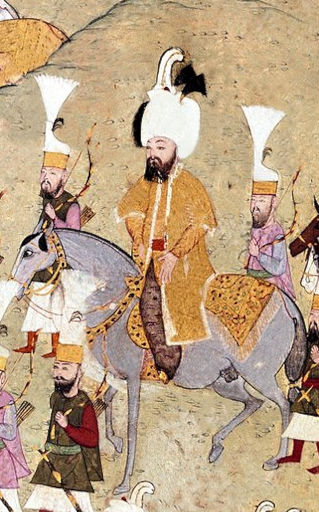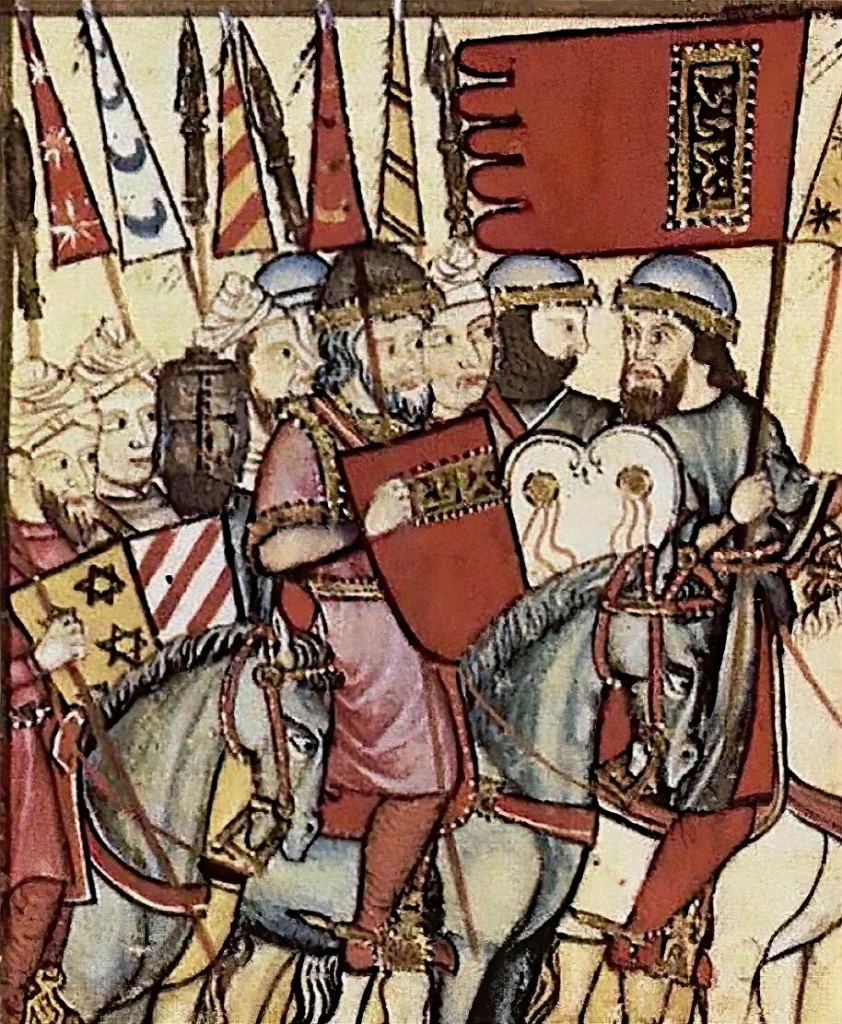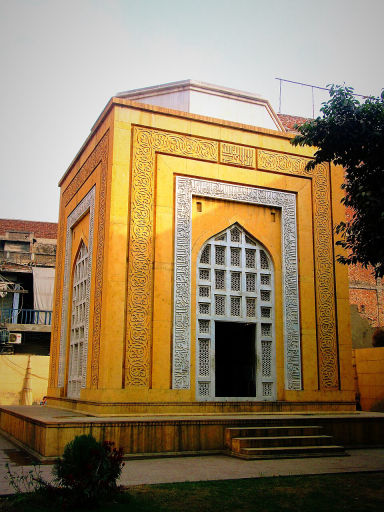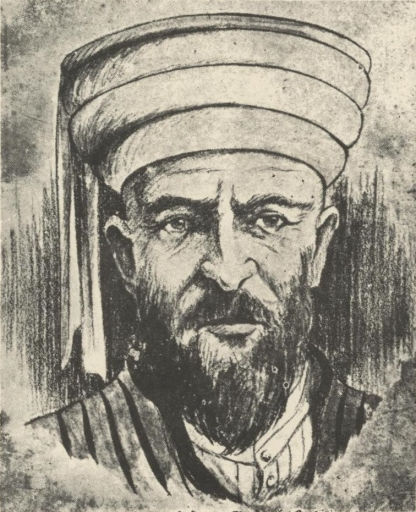
Ambitious Seljuk sultan who strengthened Anatolia, balanced Crusader pressures, and expanded power at Byzantium’s expense.
對話開場白
人生歷程
Born into the Seljuk ruling house of Rum during a period of rivalry with Byzantium and Turkish beyliks. His childhood unfolded around Konya’s court culture, where Persianate administration mixed with Turkic military traditions.
As a prince, he was introduced to court factions, tribal commanders, and the bureaucratic elite who managed taxes and fortresses. Tutors and emirs trained him in diplomacy, campaigning logistics, and the etiquette of Islamic kingship.
He became sultan after internal succession struggles, taking power in a state squeezed between Byzantium, Armenian Cilicia, and Crusader polities. Establishing authority required bargaining with powerful emirs and securing key Anatolian routes.
To prevent fragmentation, he confirmed offices for leading commanders and sought accommodations with neighboring Turkish dynasts. These early compromises bought time to rebuild revenue, manpower, and frontier defenses around central Anatolia.
Facing Emperor Manuel I Komnenos’ pressure, he used envoys and hostages to reduce the risk of a decisive imperial invasion. The diplomacy aimed to keep Seljuk armies free to deal with Anatolian rivals and shifting frontier raids.
He began systematic operations against neighboring Turkish lords, seeking control over fortresses and caravan roads. By co-opting some leaders and defeating others, he strengthened Rum’s grip on the Anatolian plateau’s strategic corridors.
The Danishmendids, long-time rivals in north-central Anatolia, became increasingly vulnerable to Seljuk diplomacy and force. Kilij Arslan exploited dynastic disputes, turning border skirmishes into leverage for annexation and vassalage.
As the eastern Islamic world reorganized after major leadership changes, he positioned Rum as the dominant Anatolian power. He balanced relations with Syrian and Mesopotamian rulers while focusing on consolidating cities and tax bases.
He trapped Manuel I Komnenos’ army in the narrow passes near Myriokephalon, using ambushes and terrain to blunt the imperial offensive. The ensuing settlement curbed Byzantine ambitions and confirmed Seljuk strength in Anatolia.
After the Byzantine setback, he focused on securing mountain passes, rebuilding garrisons, and tightening control over tribute routes. The policy improved the safety of caravan traffic and strengthened Konya’s authority over outlying emirs.
His administration protected merchants moving between central Anatolia and coastal markets, extracting revenues through regulated tolls. By promoting stable corridors, the sultanate benefited from exchange with Byzantine, Armenian, and Levantine ports.
With the dynasty expanding, he began assigning territories to sons while trying to keep their rivalries contained. The arrangement relied on personal authority and negotiated loyalty from commanders who controlled provincial armies and forts.
He absorbed key Danishmendid centers, transforming Rum from a contested sultanate into Anatolia’s leading Turkish state. The takeover reshaped the balance of power, bringing new troops, cities, and revenues under Konya’s rule.
As the Levant’s politics shifted, he sought pragmatic arrangements to protect Anatolian stability and commerce. Diplomacy and controlled passage for foreign armies helped prevent Rum from being dragged into costly frontier wars.
German crusaders under Emperor Frederick I Barbarossa crossed Anatolia, leading to clashes and tense negotiations near Seljuk-held routes. Konya was seized briefly, but Frederick soon moved on, and the sultanate survived the disruption.
After the crusaders departed, he worked to restore order, repair administrative control, and reassure local elites. Rebuilding garrisons and tax collection helped the sultanate recover from looting and wartime uncertainty.
He distributed provinces to multiple sons, aiming to prevent immediate succession crisis while keeping symbolic supremacy. The policy instead accelerated rivalries, weakening central control and setting the stage for internecine conflict after his death.
He died after decades of expansion and hard bargaining with Byzantines, Turks, and crusaders across Anatolia. His legacy mixed victory and consolidation with a risky dynastic partition that complicated Rum’s future stability.