Quick Facts
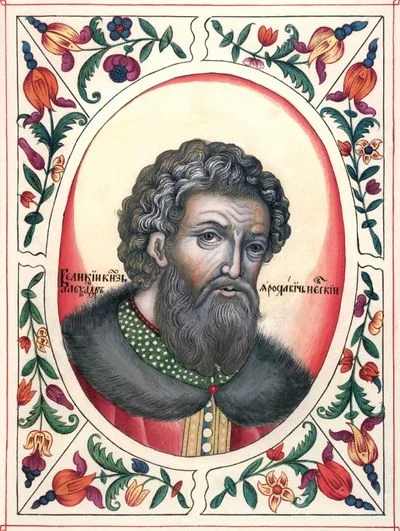
Nevsky": Crushed invaders, saintly prince, Russian hero.
Conversation Starters
Life Journey
Alexander was born to Prince Yaroslav Vsevolodovich and Princess Rostislava Mstislavna. Named after Saint Alexander the Charitable, he was destined to become one of the most revered figures in Russian history.
Young Alexander and his elder brother Fyodor were sent by their father to govern Novgorod. This early exposure to governance prepared him for his future role as prince and military leader.
Alexander participated in his first military campaign alongside his father against Lithuanian raiders. This experience provided valuable lessons in warfare and leadership that would serve him throughout his life.
At sixteen, Alexander was appointed Prince of Novgorod, one of the most important cities in Rus'. He faced the monumental task of defending the city against Swedish, German, and Mongol threats.
The Mongol forces under Batu Khan devastated much of Rus', destroying cities and killing countless people. Novgorod was spared, partly due to its northern location and swampy terrain.
Alexander married Alexandra, daughter of the Prince of Polotsk, in a strategic alliance. The marriage strengthened his political position and produced several children including his successor Dmitri.
Alexander led a brilliant surprise attack against the Swedish invasion force at the Neva River. The decisive victory earned him the epithet 'Nevsky' and established his reputation as a formidable military commander.
Despite his victory, Alexander was expelled from Novgorod by the boyar aristocracy who resented his growing power. He retreated to Pereyaslavl until the city desperately recalled him.
As the Teutonic Knights advanced into Rus' territory, capturing Pskov and threatening Novgorod, the desperate citizens recalled Alexander. He quickly organized the defense against the crusading order.
Alexander achieved his greatest victory over the Teutonic Knights on the frozen Lake Peipus. The 'Battle of the Ice' halted Western crusader expansion into Orthodox Rus' and became legendary in Russian history.
Alexander traveled to the Mongol capital at Sarai to receive the khan's approval. He recognized that submission to the Mongols was necessary for Rus' survival, beginning his policy of accommodation.
Alexander made the arduous journey to the Mongol imperial capital of Karakorum. This two-year diplomatic mission secured recognition from the Great Khan and strengthened his position.
With Mongol support, Alexander became Grand Prince of Vladimir, the highest title in Rus'. He had to suppress his brother Andrei's rebellion, cementing Mongol overlordship over the Russian lands.
When Novgorod refused to submit to the Mongol census, Alexander forced compliance to prevent devastating Mongol retaliation. Though controversial, this pragmatic decision preserved the city from destruction.
Alexander concluded a peace treaty with Lithuania, securing the western borders of Rus'. This diplomatic success demonstrated his skill in balancing multiple threats through negotiation.
Alexander undertook his final journey to the Golden Horde to negotiate reduction of tribute and exemption from military conscription. The exhausting mission would prove fatal.
Alexander died on his return journey, possibly from illness or poisoning. He took monastic vows before death. His passing was mourned throughout Rus', and he was later canonized as a saint.