Quick Facts
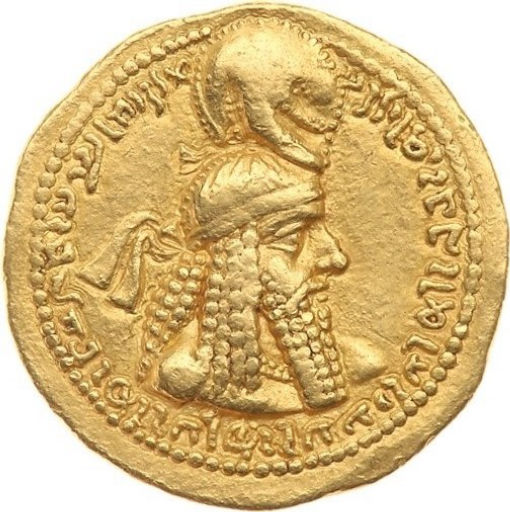
Founder of the Sasanian Empire, he toppled Parthian rule and forged a centralized Iranian kingship allied to Zoroastrian tradition.
Conversation Starters
Life Journey
Born in Fars, a Persian heartland under the Arsacid (Parthian) Empire, he grew up amid rival noble houses and shifting local loyalties. Later tradition links his family to Sasan and to Papak, framing him as heir to ancient Iranian kingship.
As a youth in Fars, he learned cavalry warfare, siege craft, and court politics under powerful local magnates. The crumbling authority of the Arsacid center offered ambitious commanders space to build personal armies and patronage networks.
He advanced within the ruling circle associated with Papak, consolidating influence over towns and fortifications around Istakhr. By rewarding followers and disciplining rivals, he created a dependable base for larger conquests across Persis.
He launched campaigns against nearby petty kings and rebellious districts, absorbing territories that had paid only nominal tribute to the Arsacids. These victories publicized him as a restorer of order, not merely a provincial warlord.
After taking control of Gur, he strengthened its defenses and promoted it as a royal seat, later remembered as Firuzabad. The city and its surrounding countryside provided manpower, revenue, and a secure staging ground for further wars.
He cultivated alliances with influential families while presenting the Arsacid monarchy as weakened by factionalism and distant rule. This messaging, backed by military success, encouraged defectors and neutralized potential coalitions against him.
His forces pushed beyond Fars into adjacent regions, defeating local dynasts who had long acted semi-independently under Parthian suzerainty. Each victory expanded his tax base and added cavalry contingents crucial for the coming showdown.
At Hormozdgan, he met Arsacid king Artabanus IV in a decisive battle that shattered Parthian authority. Artabanus was killed, and the victory allowed him to claim supremacy over Iran with an army proven against royal forces.
He staged a coronation that emphasized Iranian kingship and continuity with pre-Arsacid traditions, styling himself Shahanshah, 'King of Kings.' The ceremony signaled the birth of the Sasanian state and demanded recognition from rival rulers.
He moved quickly against surviving Arsacid loyalists, forcing submissions through sieges, hostages, and negotiated surrender. These campaigns reduced the autonomy of regional nobility and replaced loose confederation with stronger royal oversight.
He patronized Zoroastrian clergy and temples, linking the monarchy to religious order and ritual authority. By elevating clerical networks and court ideology, he reinforced a centralized state identity that could outlast battlefield success.
Seeking recognition and strategic depth, he pressed the Roman frontier in Mesopotamia, targeting fortified cities and routes. The escalation challenged Emperor Severus Alexander and announced the Sasanians as a new imperial rival to Rome.
Rome launched a multi-pronged campaign under Severus Alexander, forcing him to defend against incursions while keeping newly conquered provinces loyal. Though the war’s outcome was mixed, his regime survived and retained momentum for future expansion.
He reorganized governance by placing trusted officials and family members in key posts, tightening control over revenues and military levies. This administrative drive reduced the patchwork independence common under the Arsacids and stabilized succession.
He resumed offensives against Rome, taking advantage of Roman political turmoil to seize major frontier positions. The fall of cities like Nisibis and Carrhae projected Sasanian power and threatened Roman communications in the Near East.
He elevated Shapur I as co-ruler, presenting a clear dynastic future to nobles, commanders, and priests. The arrangement reduced factional risk and ensured that military and administrative reforms would continue without interruption.
He died leaving a far more centralized monarchy than the one he had overthrown, with a confident royal ideology and an aggressive frontier posture. Shapur I inherited a strengthened state ready to confront Rome and manage a vast Iranian realm.