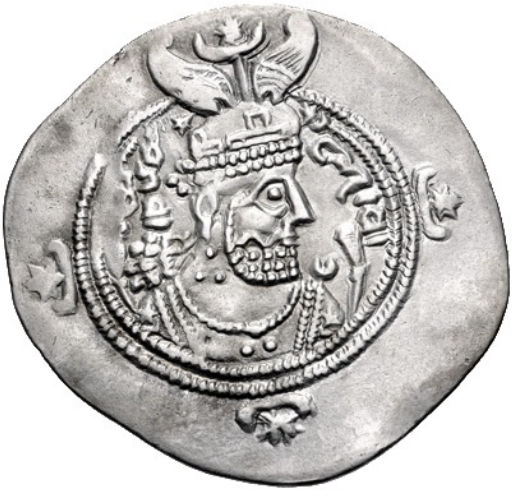
Quick Facts
Last Sasanian monarch, he struggled to defend Iran as Arab-Muslim armies dismantled an ancient imperial order.
Conversation Starters
Life Journey
Born into the House of Sasan as imperial authority fractured after wars with Byzantium and factional violence. Competing nobles and generals dominated court politics, shaping a childhood marked by insecurity and shifting alliances.
After Khosrow II was overthrown, rapid successions and assassinations destabilized the monarchy and treasury. Power flowed to aristocratic houses such as the Parsig and Pahlav, leaving the young prince a pawn in elite rivalry.
Elevated to the throne by leading nobles seeking a legitimate Sasanian figurehead after years of chaos. Court officials and magnates effectively governed in his name, limiting his ability to impose unified imperial command.
Early incursions from the Rashidun Caliphate probed Iraq’s borderlands as the Sasanians struggled to mobilize. Local commanders defended piecemeal, while the crown faced shortages and wavering loyalty among provincial elites.
Sasanian forces suffered a decisive loss against armies associated with Sa'd ibn Abi Waqqas, opening the route toward the imperial heartland. The defeat undermined confidence in central leadership and accelerated provincial defections.
Arab-Muslim forces entered Ctesiphon, seizing palatial treasures and administrative centers that symbolized Sasanian legitimacy. Yazdegerd withdrew to safer eastern regions, relying on governors and noble houses for protection and revenue.
From interior strongholds, he sought to coordinate remaining spahbeds and local rulers into a coherent defense. Rivalries among magnates and the distance from Iraq made unified strategy difficult, forcing reliance on negotiated support.
As key cities in Khuzestan and Media slipped away, tax income and manpower collapsed. Yazdegerd’s court-in-motion depended on emergency levies and pledges from regional dynasts who often prioritized their own survival.
A major Sasanian coalition was defeated at Nahavand, a turning point that shattered hopes of restoring control in the west. Afterward, many fortresses and cities negotiated surrender, recognizing the new balance of power.
Seeking symbolic and logistical support, he moved toward Fars, where Sasanian identity remained strong. Even there, local authorities weighed accommodation with conquerors against costly resistance and internal factional disputes.
Arab-Muslim advances eroded the last coherent bases of royal power, forcing further flight toward the east. Yazdegerd increasingly issued appeals rather than commands, as governors acted autonomously and negotiated on their own terms.
He traveled through Iran’s southeast hoping to raise troops and funds from frontier provinces accustomed to independent defense. Sparse resources and local rivalries limited what could be gathered, despite the prestige of the royal name.
Facing relentless pressure, he pursued alliances beyond Iran, looking toward Transoxiana’s rulers and Turkic powers. Distance, competing interests, and the speed of conquest meant diplomacy brought little immediate military relief.
Merv became a last base where remnants of administration and loyalists gathered, but local elites were divided over continued resistance. With resources exhausted, Yazdegerd’s position depended on the goodwill of regional commanders and financiers.
After losing dependable protection, he was killed in circumstances reported by later sources as involving local betrayal during flight. His death marked the end of Sasanian kingship, while Iranian culture endured under new rulers and dynasties.
Later Persian historiography remembered him as the final shahanshah whose fall closed a four-century imperial era. His story became a lens for discussing loyalty, aristocratic fragmentation, and the transition to Islamic rule in Iran.