Quick Facts
Scholar-king of Assyria who mastered warfare and letters, building a vast library amid brutal imperial expansion.
Conversation Starters
Life Journey
Born a son of Esarhaddon in the Neo-Assyrian court, likely within the royal milieu of Nineveh. From childhood he was surrounded by scribes, soldiers, and palace politics as Assyria ruled much of the Near East.
Esarhaddon issued succession arrangements naming Ashurbanipal heir to Assyria while his elder brother Shamash-shum-ukin was slated for Babylon. The plan aimed to prevent civil war but created a rivalry that later erupted into open conflict.
Trained in reading and writing Akkadian cuneiform, he studied omens, rituals, and classical epics under palace scholars. He later boasted of scholarly mastery unusual for Assyrian kings, shaping his patronage of literature and archives.
After Esarhaddon died on campaign, Ashurbanipal took the throne with the backing of Assyrian elites and military commanders. The empire faced unrest on multiple fronts, requiring rapid consolidation of authority from the capital at Nineveh.
To uphold Esarhaddon's settlement, Ashurbanipal confirmed his brother as Babylon's king while retaining decisive Assyrian oversight. The arrangement depended on loyalty and tribute, yet Babylonian elites sought autonomy and resented Assyrian control.
Assyria intervened in Egypt after earlier conquests, supporting loyal rulers against anti-Assyrian coalitions and local challengers. Campaign logistics, vassal management, and propaganda reinforced Assyria's reach from Nineveh to the Nile.
Assyrian officials and armies enforced tribute and loyalty among Phoenician and Levantine cities vital for trade and shipbuilding. Royal inscriptions emphasized punishment for defiance and rewards for cooperation, projecting power along the Mediterranean coast.
He ordered governors and temple scholars to send tablets and exemplars of rare works to the palace, creating a central archive of Mesopotamian learning. The collection preserved myths, medical texts, omens, and the Epic of Gilgamesh for posterity.
Conflict with Elam escalated as both powers backed rival claimants and rebels across Mesopotamia. Assyrian campaigns pushed into southwestern Iran, targeting Elamite strongholds and supply lines to weaken a long-standing regional adversary.
Ashurbanipal launched further operations after shifting alliances and Elamite involvement in Babylonian politics. Assyrian commanders coordinated sieges and deportations, using terror and logistics to keep the Zagros frontier under control.
Shamash-shum-ukin formed a coalition of Babylonians, Chaldeans, and foreign supporters against Assyrian dominance. The rebellion turned a dynastic compromise into civil war, forcing Ashurbanipal to mobilize armies and cut Babylon's allies.
Assyrian forces tightened control over canals and grain routes, isolating rebellious cities and wearing down resistance. Reports to Nineveh tracked famine, defections, and temple politics as Ashurbanipal sought to break the revolt without losing legitimacy.
After a brutal siege, Babylon fell and Shamash-shum-ukin died amid the collapse, remembered as perishing in a palace fire. Ashurbanipal restored Assyrian authority, installed loyal administrators, and punished ringleaders to deter future uprisings.
With Babylonia subdued, Ashurbanipal redirected full force eastward against Elam, blaming it for aiding rebels. Assyrian annals describe relentless raids and deportations, aiming to eliminate Elam as a geopolitical competitor.
Assyrian armies took Susa, Elam's major ceremonial and political center, and systematically looted temples and palaces. The destruction was publicized as divine retribution, signaling that defiance of Assyria would end in annihilation.
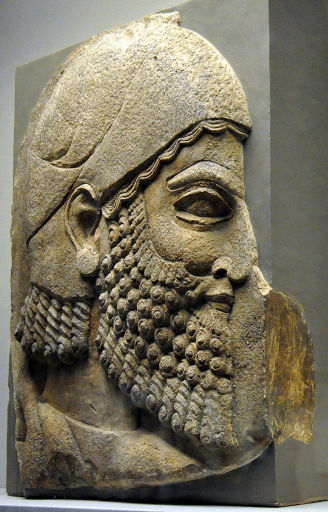
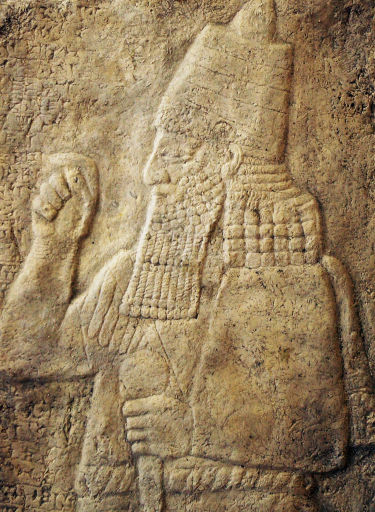
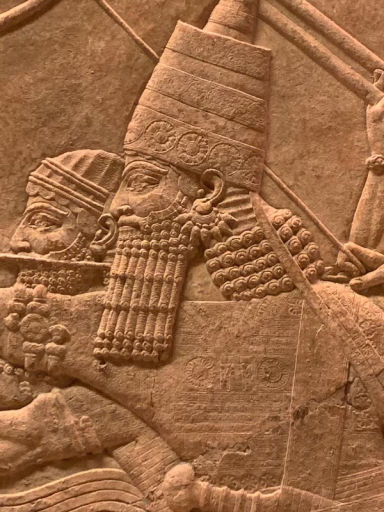
Reliefs and inscriptions at Nineveh showcased lion hunts and conquered enemies, blending royal ideology with threats of violence. He used deportations, tribute systems, and appointed officials to stabilize provinces after years of rebellion and war.
As Assyria remained vast, new regional powers and restless frontier groups tested imperial resilience. Administrative strain and succession uncertainty began to shadow the court, even as the library and palace projects continued to expand.
Ashurbanipal died after one of Assyria's most powerful reigns, leaving successors to manage an overstretched empire. Within decades, internal conflict and external enemies would topple Nineveh, but his library preserved Mesopotamia's literary heritage.