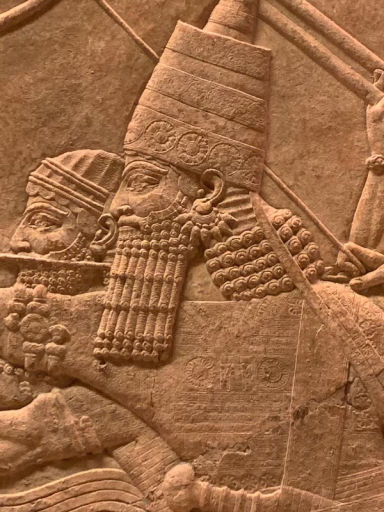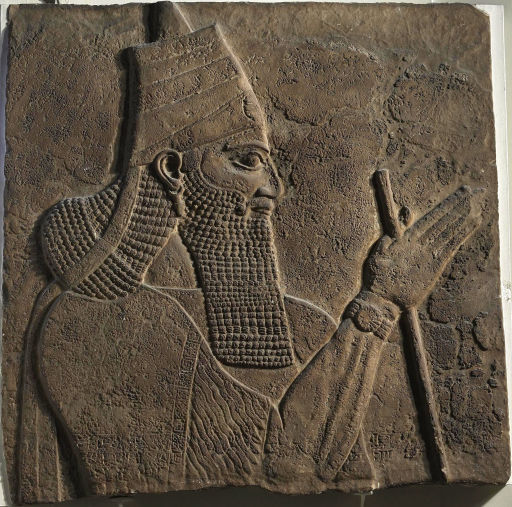
Quick Facts
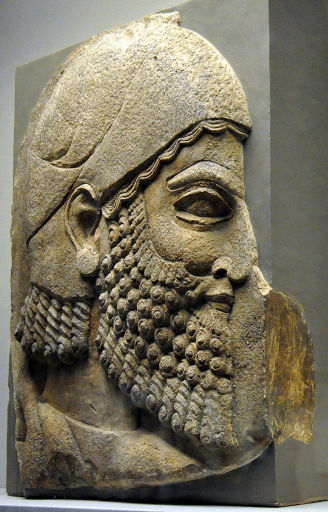
A ruthless Assyrian reformer-king who forged a centralized empire through conquest, deportations, and efficient provincial administration.
Conversation Starters
Life Journey
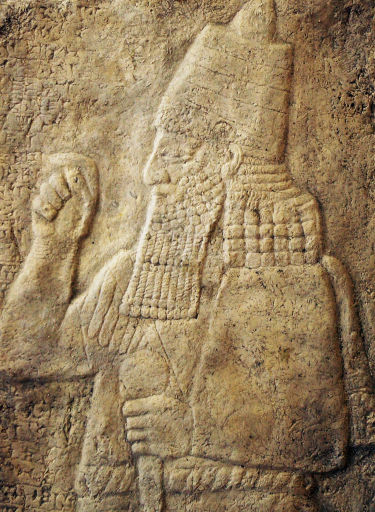
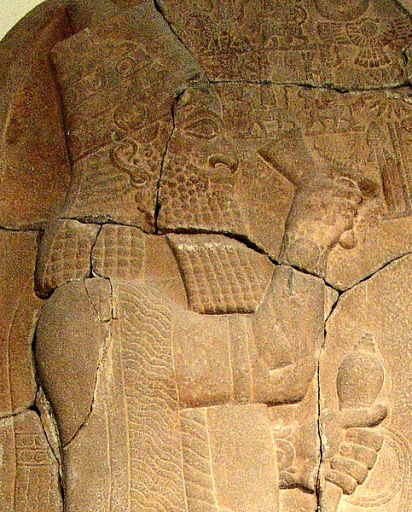
In a period of factional strife in the Assyrian court, Tiglath-Pileser III took power and quickly asserted control. From Kalhu (Nimrud), he reshaped royal authority, sidelining rival elites and restoring military momentum.
He moved fast to punish border resistance and reimpose tribute on wavering regions that had tested Assyrian weakness. Royal inscriptions present these operations as a return to divinely sanctioned order under Ashur’s mandate.
Assyrian forces confronted the western network linked to Urartu, limiting its reach into Syria and Anatolia. By breaking client alliances, he opened routes for tribute and troops, strengthening Assyria’s position beyond the Euphrates.
Arpad, a key Syrian city, resisted Assyria and became a symbol of organized defiance. Tiglath-Pileser III committed years of pressure, demonstrating a new willingness to sustain prolonged operations for strategic results.
After Arpad fell, he replaced local rulers with Assyrian governors and imposed direct taxation and conscription. This shift from loose vassalage to provincial rule helped standardize revenue and tighten imperial control.
He carved conquered territories into provinces managed by appointed officials responsible to the crown. The system reduced the power of hereditary nobles, while regular tribute, records, and garrisons linked Syria closely to Kalhu.
As Assyrian pressure increased, rulers in the Levant sought survival through payments and submission. Biblical tradition associates Menahem of Israel with heavy tribute, reflecting how Assyrian demands reshaped local politics and finances.
He made forced population transfers a systematic tool, relocating communities to weaken rebellion and repopulate strategic zones. These moves also supplied labor for agriculture and building, knitting distant peoples into imperial networks.
Assyrian armies pushed east to secure routes, extract tribute, and deter raiders from mountain polities. The expeditions brought horses, metals, and hostages into Assyrian hands, supporting the army and palace economy.
He contested Urartian power by striking allied territories and limiting access to Syrian markets and manpower. By forcing new agreements and tribute, he reduced threats to Assyria’s northern provinces and trade corridors.
As Rezin of Damascus and Pekah of Israel challenged regional order, Tiglath-Pileser III intervened decisively. Judah’s king Ahaz sought Assyrian backing, and the invasion shifted the balance of power across the Levant.
Assyrian campaigns seized northern districts, turning territory into controlled zones and reducing Israel’s capacity to resist. Deportations and new administrative arrangements bound the region to Assyria’s tax and military system.
Damascus fell after sustained pressure, removing a major rival center in the Syrian corridor. The city’s defeat disrupted old alliances and trade, while Assyria installed structures to ensure revenue and obedience thereafter.
He consolidated gains by appointing governors, stationing garrisons, and regularizing tribute collection across the west. This administrative mesh made revolts harder to coordinate and ensured resources flowed reliably to the royal center.
To secure the south, he adopted the Babylonian crown, aligning himself with Babylon’s ancient prestige and temple politics. The move strengthened claims over Mesopotamia and framed Assyrian power as lawful, not merely conqueror’s force.
He expanded record-keeping, standardized provincial obligations, and improved the flow of supplies and troops. These reforms helped maintain multiple fronts and sustained sieges, making Assyria’s army a more reliable instrument of policy.
Tiglath-Pileser III left an empire transformed by provincial governance, deportations, and a more professional military machine. His successor Shalmaneser V inherited the apparatus that would drive Assyria’s dominance for decades.