Quick Facts
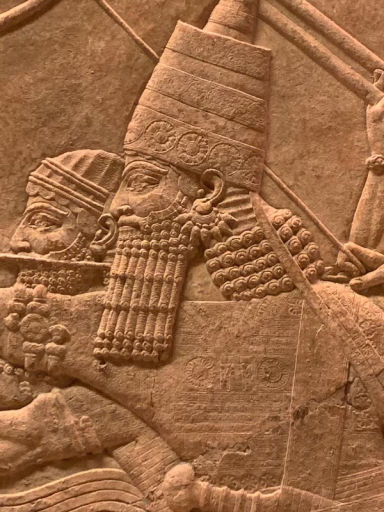
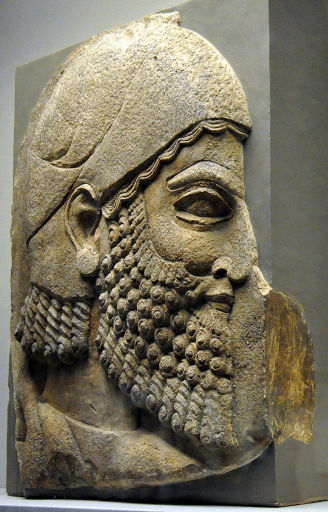
A formidable Assyrian monarch who expanded an empire through war, diplomacy, and grand building projects at Dur-Sharrukin.
Conversation Starters
Life Journey
In a period of instability following Shalmaneser V, Sargon II took power and presented himself as the restorer of order. Royal inscriptions framed his accession as divinely sanctioned by Ashur, addressing doubts about legitimacy in the court.
After the fall of Samaria, Sargon II claimed responsibility for completing the conquest and securing the region. He incorporated the territory into the Assyrian provincial system and used deportations to deter renewed rebellion across the Levant.
When Hamath led a coalition against Assyrian control, Sargon II marched west to break the uprising decisively. The victory reaffirmed Assyrian authority over Syria and signaled to smaller city-states that resistance would be met with force.
Assyrian campaigns in the southern Levant confronted local rulers seeking support from Egypt. Sargon II’s victories curtailed Egyptian-backed diplomacy and strengthened Assyrian leverage over coastal trade routes and inland caravan corridors.
To stabilize the eastern marches, Sargon II campaigned among Median polities and fortified Assyrian influence through tribute and provincial oversight. These actions protected Assyria from raids and opened pathways for future control across the Zagros.
Sargon II moved against Carchemish, a strategic Euphrates city known for commerce and political autonomy. By annexing it, he gained substantial treasuries and tightened Assyria’s grip on river crossings linking Anatolia and Syria.
After repeated western campaigns, Sargon II refined provincial boundaries and strengthened the network of governors reporting to the royal center. Administrative reforms improved tax collection, manpower levies, and intelligence gathering across distant territories.
In central Anatolia, Sargon II intervened among rival states such as Tabal to prevent hostile coalitions from forming. His diplomacy and force extended Assyrian influence toward the Taurus passes, vital for controlling movement and trade.
Sargon II undertook a difficult northern campaign against Urartu, Assyria’s powerful rival around Lake Van. The expedition showcased Assyrian logistics across mountains and aimed to shatter Urartian prestige among frontier allies and vassals.
During the Urartian war, Sargon II captured Musasir and seized treasures dedicated to the god Haldi, a major symbolic blow. Assyrian records emphasized the immense booty and the psychological impact on Urartu’s king and his supporters.
Sargon II founded Dur-Sharrukin, designing a planned royal city with palaces, temples, and massive wall circuits. The project mobilized labor, tribute, and artisans, projecting an image of order and divine favor across the empire.
To reduce rebellion and supply skilled labor, Sargon II intensified deportations and resettled populations across provinces. These transfers reshaped local identities while strengthening the imperial economy through agriculture, craft production, and garrison support.
When Ashdod rebelled, Sargon II sent forces to restore control and punish ringleaders who sought foreign backing. The operation reinforced Assyria’s coastal authority and deterred other Philistine and Judean actors from similar defections.
Sargon II turned south against Merodach-Baladan, the Chaldean leader who had challenged Assyrian power in Babylon. Military pressure and political bargaining aimed to reclaim Babylon’s prestige and secure the economically crucial lower Mesopotamian plain.
After asserting control, Sargon II adopted the title King of Babylon and promoted traditional rites to gain local acceptance. He emphasized temple restoration and proper offerings to Marduk, blending Assyrian authority with Babylonian religious expectations.
With major works completed, Sargon II transferred administrative functions and ceremonial life to Dur-Sharrukin. Monumental reliefs, guardian lamassu, and inscriptions celebrated victories and presented the king as chosen by Ashur to rule the world.
Late in his reign, Sargon II continued expeditions to keep vassals compliant and rivals cautious on multiple borders. Sustained campaigning supported the Assyrian model of deterrence, tribute extraction, and rapid response to unrest.
Sargon II was killed during a military expedition, an ominous event in Assyrian ideology because his body was reportedly not recovered. His death raised anxieties about divine favor and succession, and his son Sennacherib inherited the empire’s challenges.