Quick Facts
Exiled Lao prince who forged Lan Xang, blending Khmer courtcraft, Theravada Buddhism, and military ambition into kingship.
Conversation Starters
Life Journey
Born into the Lao elite connected to Muang Sua, the early center of what became Luang Prabang. Regional power was fragmented among muang rulers along the Mekong, and dynastic rivalries shaped his childhood prospects.
After a violent succession dispute in Muang Sua, the young prince was forced from his homeland for safety. Supporters arranged his flight south, where Khmer authority and patronage offered protection and opportunity.
He reached Angkor and was received into the orbit of the Khmer royal court, learning etiquette, administration, and warfare. The cosmopolitan environment exposed him to Theravada Buddhist networks and Khmer political models.
As a court-dependent noble, he gained experience with Khmer logistics, fortifications, and tributary governance. These lessons later influenced how he organized commanders, levies, and alliances among Lao muang leaders.
He married a Khmer princess commonly identified in Lao traditions as Keo Kang Ya, strengthening his political backing. The marriage tied his cause to influential Khmer patrons who could provide troops, weapons, and legitimacy.
With Khmer support, he organized an expeditionary force and recruited allies among Lao and Tai-speaking groups. The campaign plan combined river movement, diplomacy with local rulers, and the promise of a unified kingdom.
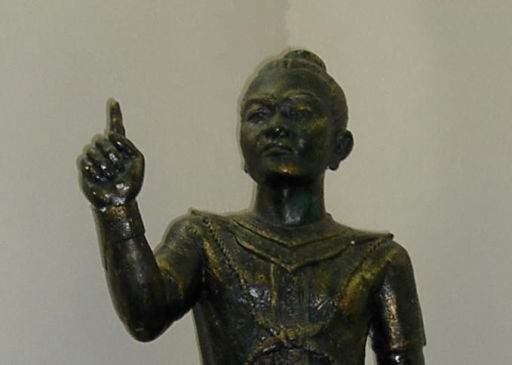
He took Muang Sua and declared a new realm remembered as Lan Xang, the “Million Elephants,” projecting strength and unity. The proclamation sought to bind scattered muang under a single mandala-style kingship centered on the Mekong.
He confirmed local lords while demanding tribute and military service, turning former rivals into vassals. Khmer-influenced titles and court procedure helped standardize governance and reinforce hierarchy at the new capital.
His forces expanded downriver and asserted control over key settlements near Vientiane, securing trade routes and manpower. By combining garrisons with negotiated submission, he reduced the risk of constant frontier revolts.
Monks and ritual specialists linked to Khmer Theravada traditions were encouraged to settle and teach in Lan Xang. Royal patronage of monasteries offered moral authority, literacy, and a shared identity across diverse communities.
Court tradition associates his reign with elevating revered Buddhist images, including the Phra Bang, as symbols of rightful kingship. Processions and temple endowments tied spiritual merit to political obedience in the new realm.
He pushed to stabilize contested borderlands, relying on elephant corps, river transport, and local guides. Victories were followed by hostage-taking and tribute arrangements to deter breakaway muang and rival claimants.
As the kingdom matured, competing noble blocs and kin networks contested influence over appointments and succession. Managing these factions required balancing Khmer-style court ceremony with Lao elite expectations and regional autonomy.
Later chronicles describe court opposition coalescing around his son and senior nobles, leading to his removal from power. He was sent away from the capital, marking a dramatic reversal for the kingdom’s founder.
He died far from Luang Prabang, while the court consolidated authority under his successor and rebalanced noble alliances. Despite his fall, later Lao memory honored him as the architect of Lan Xang’s unity and Buddhist kingship.