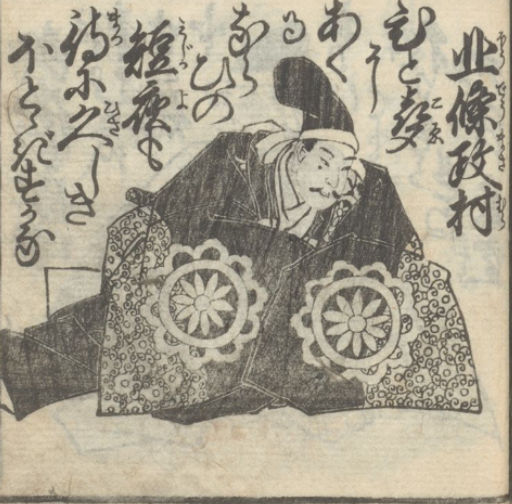
Quick Facts
A pragmatic Kamakura regent who steadied shogunate politics through crises, balancing samurai authority and court legitimacy.
Conversation Starters
Life Journey
Born into the Hojo clan, the regent family that dominated the Kamakura shogunate’s decision-making. He grew up amid the administrative culture of Kamakura and the martial expectations placed on regent kin.
As a youth he was educated in the norms of gokenin service, estate management, and the legal customs used in warrior courts. Senior Hojo relatives and Kamakura officials shaped his sense of order and precedent-driven rule.
He came of age as the shogunate relied on the Goseibai Shikimoku, the warrior law code associated with Hojo Yasutoki. The code’s emphasis on practical adjudication influenced how Masamura later approached disputes among vassals.
The Hojo–Miura confrontation reshaped Kamakura’s balance of power and reinforced the risks of factional rivalry. Masamura’s circle absorbed the warning that regency authority required both force and careful coalition building among gokenin.
By midlife he was entrusted with broader governance tasks, reflecting confidence in his steadiness within Hojo leadership. He dealt with the practical burdens of taxation, petitions, and the mediation of land and inheritance claims.
When envoys of Kublai Khan demanded submission, the Kamakura government faced an unprecedented foreign challenge. Masamura’s generation weighed military readiness against diplomatic risk, tightening coastal defenses and internal coordination.
As tensions rose, Kamakura officials emphasized surveillance, mobilization plans, and reliable chains of command. Masamura supported policies that reinforced regency discipline while keeping powerful vassal families invested in collective defense.
The invasion brought immediate pressure to fund defenses and reward fighters despite limited spoils. Masamura’s administrative stance reflected the shogunate’s dilemma: sustaining loyalty while resources were strained by coastal fortification needs.
After the Bunei Campaign, the regime accelerated construction and readiness along northern Kyushu. Masamura backed measures to coordinate gokenin rotations and logistical support, recognizing the long-term nature of the Mongol threat.
The second invasion intensified demands for manpower and provisioning, even as victory offered little material reward. Masamura’s leadership era required calming vassal frustrations while maintaining the legitimacy of Kamakura’s wartime directives.
He rose to the position of shikken, the office through which the Hojo governed in the shogun’s name. His regency emphasized administrative continuity, cautious appointments, and the careful management of competing warrior interests.
As regent he worked to keep intra-Hojo rivalries from destabilizing the wider vassal network. Decisions on offices and adjudication were used to prevent alienation of key families while preserving the regency’s central authority.
Legitimacy still depended on workable ties with the court, including confirmations and symbolic authority. Masamura’s approach favored stability and controlled negotiation, keeping Kamakura’s warrior government aligned with courtly formalities.
After years of crisis-era governance, he yielded the shikken role to the next Hojo leader to preserve orderly succession. The transition reflected the regency’s preference for institutional continuity over personal rule or dramatic reform.
A major earthquake and subsequent unrest exposed the fragility of Kamakura’s urban and political order. In the disaster’s wake, the regime faced renewed pressure to maintain security and rebuild confidence among residents and retainers.
He died having served the Hojo regime through the Mongol crisis period and its difficult economic aftermath. His life exemplified the Kamakura regent’s role: maintaining institutions, managing vassals, and preserving warrior governance.