Quick Facts
Last powerful regent of Kamakura Japan, whose factional rule and crises helped topple the shogunate in 1333.
Conversation Starters
Life Journey
Born into the Hojo clan that dominated the Kamakura shogunate’s regency. Raised amid samurai politics in Kamakura, where the shikken office controlled appointments, courts, and military governance.
The Hojo leadership reeled as internal tensions flared following the killing of Hojo Sadatoki’s predecessor and factional strife among regent relatives. The turbulence shaped Takatoki’s childhood under anxious guardians and advisors.
Installed as the 14th shikken while still a minor, leaving real authority to senior Hojo figures and the tokuso household bureaucracy. Day-to-day rule relied on stewards and councils that operated from Kamakura’s administrative compounds.
As a boy regent, policy passed through the Hyōjōshū council and the tokuso managers who controlled estates and military orders. This structure strengthened clerks and intermediaries, distancing the shikken from direct responsibility and learning.
Officials tied to the Nagasaki family expanded influence within the tokuso administration, shaping petitions, appointments, and legal outcomes. Their growing role later made Takatoki appear dependent on a narrow inner circle rather than broad vassal support.
Approaching maturity, Takatoki began to preside more visibly over rulings while continuing to lean on household managers. Chronic fiscal strain and unrewarded warriors after earlier Mongol-defense mobilizations remained unresolved in Kamakura governance.
Competing Hojo relatives and influential administrators contested offices and estate control, deepening court and warrior resentment. The shogunate’s legalism could not mask the sense that governance served insiders over provincial gokenin families.
Go-Daigo took the throne in Kyoto and pushed a more assertive imperial agenda that challenged shogunal regency authority. Kamakura watched court maneuvering closely, wary of efforts to restore direct imperial rule over the warrior government.
Kamakura forces moved against conspirators linked to Go-Daigo’s circle, seeking to deter open rebellion. The crackdown exposed widening gaps between the regency and Kyoto elites, while failing to resolve the deeper legitimacy crisis facing the Hojo.
Authorities pursued another alleged plot around the imperial court, intensifying surveillance and political arrests. The episode hardened opposition to the Hojo regime, as court supporters saw the regency as an overreaching military government.
When Go-Daigo openly defied Kamakura, the shogunate’s armies captured supporters and sent the emperor into exile on the Oki Islands. The punitive response aimed to reassert control, but it instead inspired wider uprisings among warriors and monks.
Discontented warriors rallied to leaders such as Ashikaga Takauji and Nitta Yoshisada, who began shifting loyalties away from Kamakura. The regency’s inability to reward service and settle land disputes made the Hojo vulnerable to rapid collapse.
Ashikaga Takauji, sent nominally to suppress rebellion, instead aligned with Go-Daigo’s cause and took Kyoto from Hojo loyalists. The loss of the capital shattered regency prestige and disrupted coordination between Kamakura and western Japan.
Nitta Yoshisada led an imperial-aligned army against Kamakura, attacking the city’s approaches and forcing entry after fierce fighting near the coastal routes. Hojo defenses crumbled as allies failed to arrive, signaling the end of regent control.
With Kamakura overrun, the Kamakura shogunate effectively ended, and Hojo rule collapsed amid chaos and retribution. Administrative centers and estates were seized, and the political order that had governed Japan for over a century unraveled.
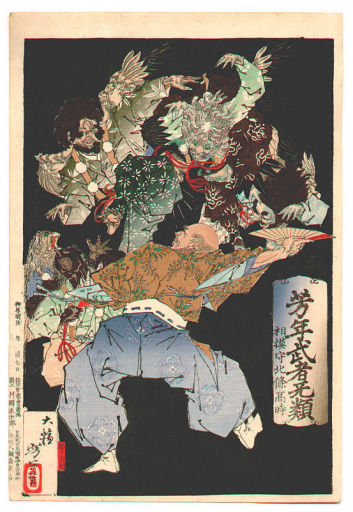
Takatoki committed seppuku as Kamakura fell, following samurai elite practice to avoid capture and humiliation. His death symbolized the failure of the late Hojo regime and cleared the way for Go-Daigo’s brief Kenmu Restoration.