Quick Facts
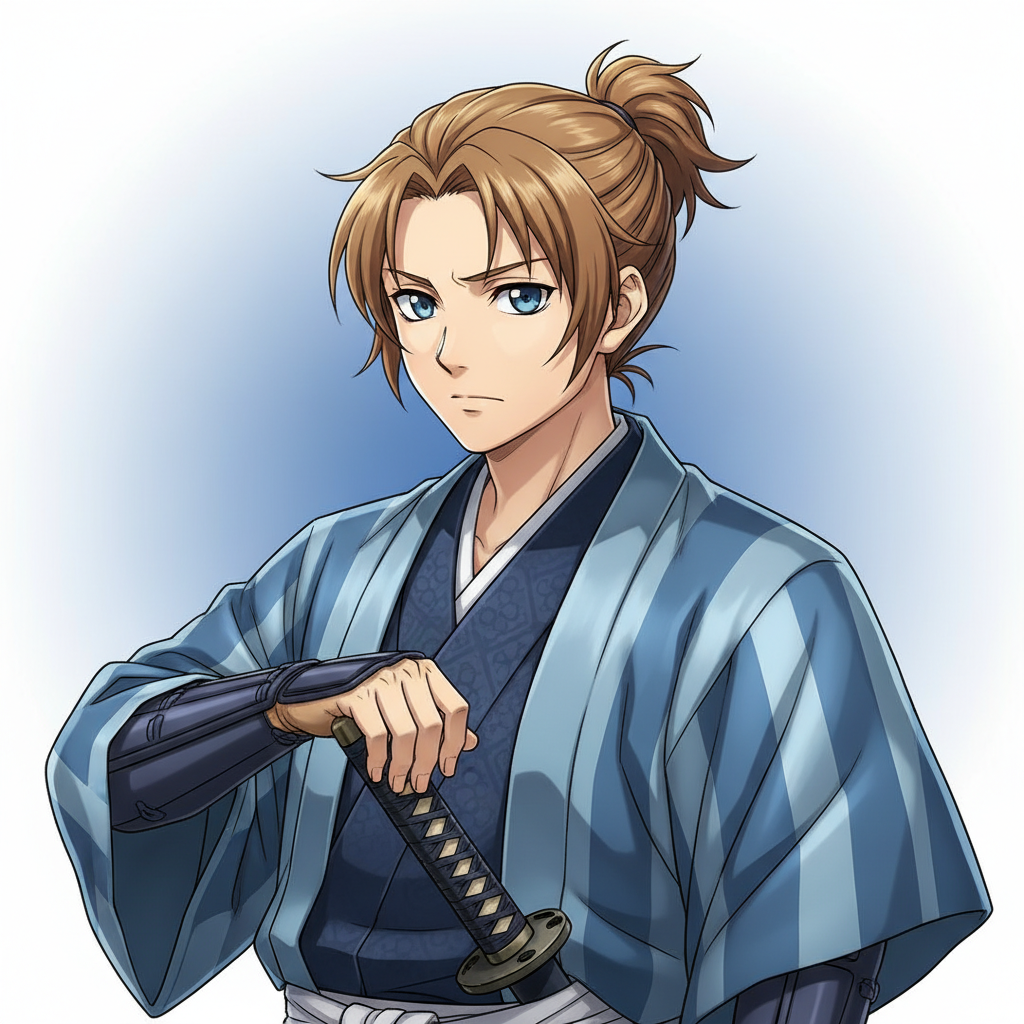
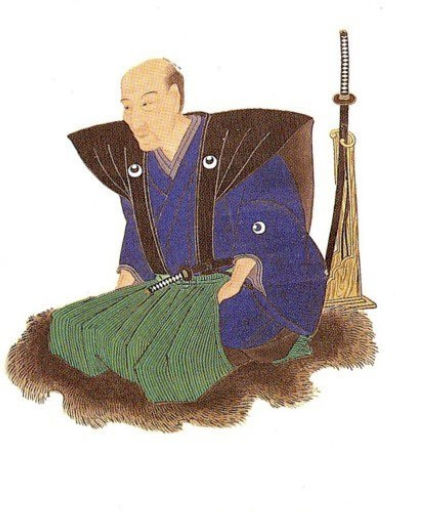
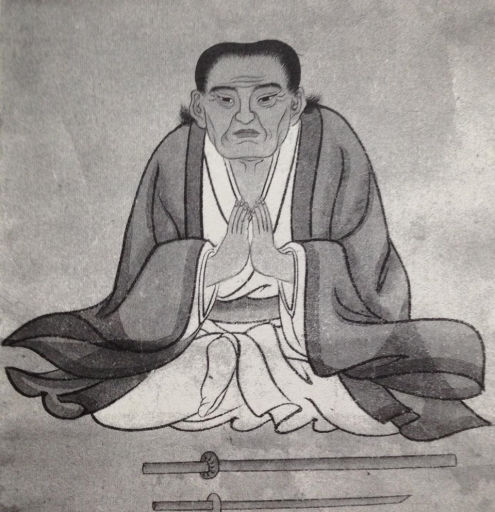
A formidable swordsman who forged the Ittoryu tradition, blending relentless practice with pragmatic battlefield realism.
Conversation Starters
Life Journey
He was born in a Japan fractured by Sengoku conflict, where local lords constantly fought for territory and prestige. The era’s violence made effective sword training a matter of survival rather than ceremony.
As a youth he devoted himself to kenjutsu, learning etiquette, footwork, and the hard conditioning expected of fighting men. Stories of famous duelists and battlefield heroes pushed him toward a life centered on the sword.
He set out on musha shugyo, traveling to test skill against different schools and instructors across the country. Such journeys built reputations through matches, introductions, and relentless practice on the road.
Through repeated bouts he emphasized seizing initiative and striking with clear intent rather than exchanging showy sequences. The goal became a reliable finishing line under pressure, shaped by the brutal logic of real fights.
He articulated teachings later summarized as Itto, linking posture, distance, and decisive commitment into a single outcome. The idea was not mysticism but repeatable method: enter correctly, control the center, and finish cleanly.
Accounts describe him gaining fame by meeting challenges from other practitioners and proving consistency under pressure. In a culture where lineage and results mattered, such victories created the credibility needed to attract students.
After Toyotomi Hideyoshi’s consolidation campaigns, warrior life began to transition toward more regulated service. He adjusted teaching toward disciplined repetition and controlled matches, preserving combat realism as politics stabilized.
He organized core drills and paired forms emphasizing line, center control, and timing, making the style transmissible beyond personal charisma. This step helped turn individual skill into a school that could endure generations.
With reputation established, he instructed students who sought practical sword methods for service under powerful houses. Training stressed posture under stress, clean entries, and mental steadiness when facing an armed opponent.
The Battle of Sekigahara ushered in Tokugawa dominance, pushing martial arts toward institutional teaching within domains. His school’s emphasis on repeatable fundamentals fit this new environment of standardized warrior education.
As the shogunate formed, martial legitimacy increasingly came from steady pedagogy and recognized lineages. He maintained a severe, no-frills approach that balanced formality with the insistence that technique must work.
He sharpened instruction around measurable elements like maai (distance), blade alignment, and taking the center. Students learned to create openings through pressure and angle rather than waiting for an opponent’s mistake.
Disciples carried his methods into different circles, where they were adapted to local tastes and domain needs. This diffusion helped Itto-ryu become a major stream in Edo-period sword culture, beyond a single teacher.
With the Osaka campaigns closing major civil wars, the sword increasingly symbolized status as well as survival. His teachings were framed to preserve seriousness: technique and mindset should remain ready even in peace.
In old age he focused on correcting small errors in timing, posture, and intent, treating fundamentals as the highest level of skill. The school’s identity centered on clarity and decisiveness rather than ornament or spectacle.
He died after a life devoted to forging a practical, teachable approach to the sword. Later generations remembered him as a foundational figure whose ideas helped shape the mainstream of Edo-period kenjutsu instruction.