Quick Facts
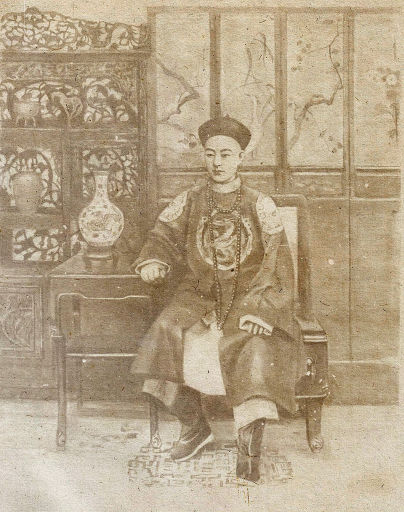
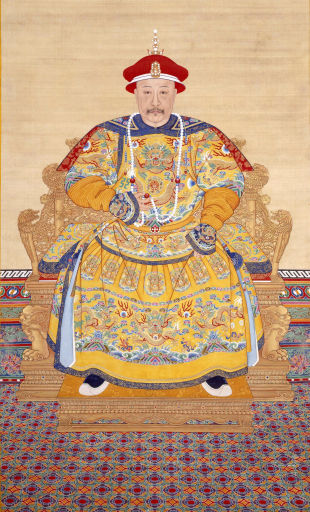
A cautious Qing ruler who curbed corruption, confronted sectarian revolt, and struggled to reverse imperial decline.
Conversation Starters
Life Journey
Born Aisin-Gioro Yongyan into the Qing imperial clan during Qianlong’s long reign. Raised within the Forbidden City amid Manchu court ritual, he was groomed for rule in a highly competitive palace world.
Tutored by court scholars in the Confucian canon, history, and administrative precedent used in Qing governance. Training emphasized self-control and moral example, reflecting Qianlong’s expectations for a future sovereign.
As a young prince, he entered formal marriage arrangements that tied him to powerful banner families. Household management, ritual obligations, and court etiquette provided early practice in balancing kinship and politics.
Qianlong relied on a secret succession system to reduce factional conflict among princes. Yongyan’s position strengthened quietly while senior officials watched court signals, especially those surrounding Heshen’s rising influence.
Late-Qianlong administration faced fiscal pressure, garrison costs, and increasing local unrest. Yongyan was exposed to memorials and personnel decisions, learning how corruption and patronage networks shaped provincial rule.
After Qianlong’s formal abdication, Yongyan became emperor, taking the reign title Jiaqing. Real power initially remained constrained by entrenched court interests, especially the dominant minister Heshen and his allies.
Millenarian White Lotus networks sparked major uprisings that spread through mountainous regions and strained Qing armies. Jiaqing confronted the limits of banner forces and relied heavily on provincial militias and local elites.
When the retired Qianlong died, Jiaqing moved swiftly to dismantle Heshen’s power. Heshen was arrested in Beijing, stripped of offices, and compelled to commit suicide, signaling a dramatic shift in court politics.
Jiaqing ordered investigations into embezzlement, bribery, and the sale of offices linked to Heshen’s clique. Confiscations replenished the treasury briefly, while new auditing and personnel scrutiny aimed to restore credibility.
A group of rebels breached palace gates in a shocking assault that exposed security weaknesses at the heart of the dynasty. The incident prompted heightened guard measures and reinforced Jiaqing’s fear of secret societies.
War costs and poor discipline forced reevaluation of Qing military administration and logistics. Jiaqing pushed for stricter oversight of generals and supply chains, attempting to curb fraud that crippled campaigns.
Foreign trade through southern ports fueled smuggling, including increasing opium imports that alarmed officials. Jiaqing backed tighter coastal patrols and enforcement, but local corruption and merchant networks limited results.
Memorials warned that tax burdens and administrative fees were inflaming popular resentment after years of warfare. Jiaqing reiterated bans on illegal surcharges and demanded frugality from governors and yamen clerks alike.
After years of grueling fighting, Qing forces and local militias gradually broke organized White Lotus resistance. The state emerged exhausted, with depleted finances and weakened confidence in banner military supremacy.
The Eight Trigrams sect launched a coordinated revolt that again reached Beijing’s gates, exploiting discontent and administrative gaps. Jiaqing’s court tightened surveillance and punished officials blamed for lax security and graft.
Britain’s Amherst mission sought expanded trade and diplomacy, but clashes over court protocol and the kowtow ended talks. The failure underscored Qing confidence in the tribute framework and growing misunderstanding with Europe.
Officials reported worsening silver outflow and social harm linked to opium consumption and smuggling. Jiaqing supported stronger prohibitions and prosecutions, yet entrenched coastal graft and demand made enforcement inconsistent.
Jiaqing died unexpectedly during an imperial journey, after years of stress from rebellion suppression and court purges. His son succeeded as the Daoguang Emperor, inheriting deep fiscal strain and escalating foreign trade tensions.