Quick Facts
Braved wilderness to warn British forces, becoming an enduring symbol of courage during the War of 1812.
Conversation Starters
Life Journey
Born into the Ingersoll family in colonial New England as revolution approached. Her early years unfolded amid upheaval that reshaped Loyalist and Patriot communities.
After the American Revolutionary War, her Loyalist-leaning family moved north seeking stability under British rule. The relocation tied her future to the developing settlements of Upper Canada.
She married merchant and militia-connected James Secord, joining a family active in Niagara’s commercial life. Their partnership anchored her in the frontier community along the Niagara River corridor.
Laura and James built a household that would include several children, shaped by agricultural routines and local trade. Daily life on the Niagara frontier demanded resilience as tensions with the United States persisted.
The War of 1812 brought raids, shifting control, and militia mobilizations to Niagara communities. The Secords lived at the conflict’s edge as British and American forces contested the river crossings.
During fighting at Queenston Heights, James Secord was seriously wounded, leaving the family vulnerable. Laura took on added responsibilities while the region endured occupation threats and supply shortages.
While American troops occupied parts of Niagara, she learned of plans targeting British-allied positions near Beaver Dams. The intelligence placed her in a position to act when regular channels were risky or unavailable.
She set out on foot through forests and rough trails to alert British forces of the impending American attack. Crossing creeks and farm lanes, she relied on grit and local knowledge to avoid patrols.
During the trek she encountered Indigenous scouts allied with the British, who helped direct her to the right commanders. Their involvement highlights the crucial role of Indigenous warriors in Niagara’s wartime defense.
She reached Lieutenant James FitzGibbon and reported the American movement toward Beaver Dams. The warning allowed British and Indigenous forces to prepare an ambush in terrain that favored defenders.
The ensuing clash at Beaver Dams culminated in the surrender of a larger American force after intense skirmishing. The victory boosted British morale and underscored coordinated action between regulars and Indigenous allies.
Fighting and reprisals in 1814 devastated towns and farms across the Niagara peninsula. Families endured displacement, burned property, and constant uncertainty as armies moved through their neighborhoods.
With peace restored, the Secords navigated recovery in a region scarred by raids and destroyed infrastructure. They sought stability through local commerce and community ties in a rapidly rebuilding Upper Canada.
James Secord’s death left Laura responsible for maintaining family security in a changing colonial economy. Widowhood often meant managing property and income with limited legal and social support for women.
She pursued practical work, including operating an inn, to sustain herself and her household. Such enterprises were central to travel and trade along Niagara routes linking communities and military posts.
During the Prince of Wales’s 1860 tour, she received a monetary gift acknowledging her War of 1812 service. The gesture signaled growing public interest in memorializing Loyalist-era sacrifice and heroism.
In her final years she witnessed Confederation reshape British North America into the Dominion of Canada. Her story increasingly served nation-building narratives about loyalty, endurance, and civilian courage.
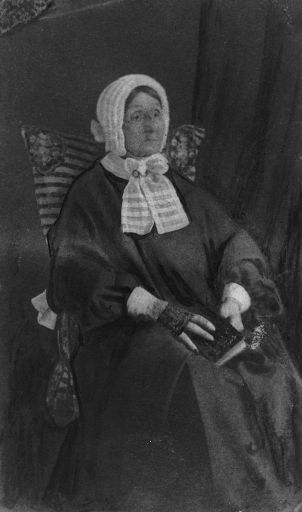
Laura Secord died after a long life spanning colonial upheaval, war, and political transformation. She was buried locally, and later generations elevated her 1813 trek into a defining Canadian legend.