Quick Facts
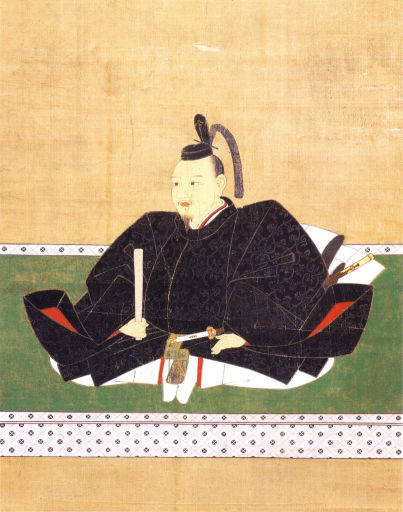
Celebrated Edo magistrate who blended legal rigor with compassion, becoming a lasting symbol of fair governance.
Conversation Starters
Life Journey
Born as Ooka Tadasuke into a direct retainer (hatamoto) household serving the Tokugawa shogunate. Growing up in Edo’s warrior-bureaucrat world, he was educated for service in law, administration, and etiquette.
As a youth he studied Confucian ethics, record-keeping, and dispute mediation expected of shogunal retainers. Exposure to Edo’s dense merchant districts shaped his later emphasis on practical solutions and public order.
He took on early posts within the shogunate’s administrative networks, learning how petitions and investigations moved through offices. Senior officials evaluated him for reliability, discretion, and the ability to calm conflicts without disorder.
Working amid Edo’s frequent fires and crowded neighborhoods, he observed how policing, firefighting, and market regulation overlapped. These conditions taught him to treat minor disputes as potential triggers for wider unrest.
His promotions reflected the shogunate’s need for competent officials who could manage taxes, licensing, and investigations. He developed a reputation for careful fact-finding and for hearing commoners’ claims without needless intimidation.
As Edo’s economy expanded, the shogunate relied on officials who understood merchant credit, guilds, and neighborhood organizations. Tadasuke’s ability to coordinate with town elders and inspectors positioned him for magistrate-level authority.
He became one of Edo’s powerful city magistrates, responsible for trials, policing, firefighting supervision, and commercial regulation. The office demanded swift judgments that maintained Tokugawa authority while keeping the city’s economy functioning.
He emphasized consistent paperwork, witness handling, and clearer investigative steps so verdicts could withstand scrutiny by higher authorities. By reducing arbitrary handling, he improved public confidence and made outcomes easier to justify across offices.
Known for weighing motive, circumstance, and social impact, he sought penalties that deterred crime without needless cruelty. Later storytelling cast him as an ideal judge, but the reputation grew from credible administrative consistency in Edo.
He worked with town elders (machidoshiyori) and local groups to monitor disputes, theft, and fire hazards before they escalated. This partnership reflected Tokugawa governance, which relied on community accountability to maintain order in a vast city.
Edo’s merchants brought conflicts over debt, contracts, and inheritance that required careful reconstruction of transactions. He aimed for settlements that preserved credit networks while still affirming the shogunate’s legal authority over urban life.
When fires, shortages, or rumors threatened stability, the magistrate’s office coordinated patrols, relief, and market oversight. His administrative style favored rapid verification of facts and visible enforcement to prevent panic and opportunistic crime.
After years overseeing Edo’s courts and policing functions, he stepped back from the city magistrate role. His tenure left a template for practical urban justice that later officials cited as a model of steady governance.
Storytellers and later writers shaped “Ooka judgments” into memorable courtroom tales that praised fair-minded authority. Even when embellished, these stories echoed real Edo anxieties about corruption, class tension, and trustworthy administration.
His name circulated as shorthand for impartial adjudication, contrasting with fears of favoritism in bureaucratic offices. In an era valuing social hierarchy, the legend emphasized that careful listening and evidence could still guide outcomes.
As an elder statesman, he was remembered for administrative know-how and steady temperament rather than battlefield feats. Younger officials looked to his career as proof that careful governance could be a samurai’s highest public service.
He died after decades identified with Edo’s courts and city governance during the stable Tokugawa period. His posthumous fame grew through literature and theater, turning a capable magistrate into an enduring icon of just rule.