Quick Facts
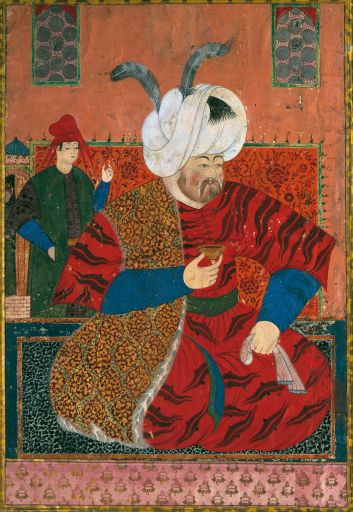
A ruthless, disciplined Ottoman sultan who expanded imperial power by conquering Mamluk lands and claiming caliphal authority.
Conversation Starters
Life Journey
Born to Prince Bayezid (later Bayezid II) and Gülbahar Hatun in the Ottoman city of Amasya. The region was a training ground for princes, exposing him early to frontier politics and military households.
Received courtly instruction in Ottoman Turkish administration, Islamic law, and campaign logistics under palace tutors and experienced officials. This schooling emphasized discipline, obedience, and readiness to command provincial forces.
Assigned to provincial governorships that prepared him for contested borderlands facing the Caucasus and Iran. Frontier service sharpened his hostility toward Safavid influence and built loyalty among seasoned soldiers and commanders.
As governor, he confronted raiders and political agents linked to Shah Ismail’s Safavid movement spreading Shi‘a allegiance. These encounters hardened Selim’s reputation for swift reprisals and uncompromising security policy.
A major uprising led by Şahkulu destabilized western Anatolia and alarmed Istanbul’s court about Safavid-backed unrest. The crisis helped Selim argue that stronger central authority and harsher measures were necessary for survival.
After intense dynastic struggle, Selim compelled his father Bayezid II to abdicate, then secured the allegiance of key janissary factions. The transfer of power marked a violent reset of imperial politics in Istanbul.
Moved quickly against potential claimants within the dynasty, ordering executions to forestall factional conflict. The purge, brutal even by Ottoman standards, aimed to guarantee stable succession and unified command.
Authorized wide investigations and punishments targeting Kızılbaş communities suspected of loyalty to Shah Ismail. The policy sought to cut Safavid influence at its roots while asserting Sunni orthodoxy as a pillar of state power.
Led a massive army across Anatolia, relying on artillery and disciplined infantry to counter Safavid cavalry tactics. The campaign tested Ottoman logistics over long distances and signaled Selim’s determination to dominate the east.
Defeated Shah Ismail at Chaldiran, where Ottoman cannon and firearm infantry broke Safavid charges. The victory checked Safavid expansion and demonstrated how gunpowder warfare could decide the fate of empires.
Entered Tabriz, the Safavid capital, seizing prestige and valuable craftsmen while assessing the city’s defenses. Shortages and unrest in the ranks forced a withdrawal, but the strike humiliated Safavid authority.
Defeated the Dulkadirids, a buffer principality between Ottomans and Mamluks, removing a long-standing political wedge. Control of the region improved supply lines for a southern war and tightened Istanbul’s grip on Anatolia.
Met Sultan al-Ashraf Qansuh al-Ghawri’s forces near Aleppo and won decisively with artillery and coordinated infantry. The battle opened Damascus and much of Syria to Ottoman rule, overturning centuries of Mamluk dominance.
Installed governors and judges to integrate Syrian cities into Ottoman fiscal and legal systems. Damascus also served as a symbolic gateway to the holy cities, strengthening Selim’s religious and political legitimacy.
Defeated Sultan Tumanbay II’s army near Ridaniya, then entered Cairo after fierce fighting and political bargaining. The fall of Cairo ended the Mamluk Sultanate and transferred immense wealth and authority to Istanbul.
After the conquest, Selim cultivated claims to leadership of the Sunni Muslim world, associated with the Abbasid caliph in Cairo. Control over Mecca and Medina’s revenues and routes reinforced Ottoman religious prestige.
Issued administrative arrangements to balance local elites, former Mamluk power holders, and Ottoman officials under a new provincial order. The reforms aimed to stabilize grain revenue and secure Red Sea trade against rivals.
From Istanbul, he planned further action against European powers and the Safavids while managing newly acquired Arab provinces. His court emphasized military readiness, tighter discipline, and rapid mobilization of gunpowder forces.
Selim died suddenly while traveling from Istanbul, likely from illness, after less than a decade on the throne. His son Süleyman inherited a vastly enlarged empire and the institutions shaped by Selim’s harsh consolidation.