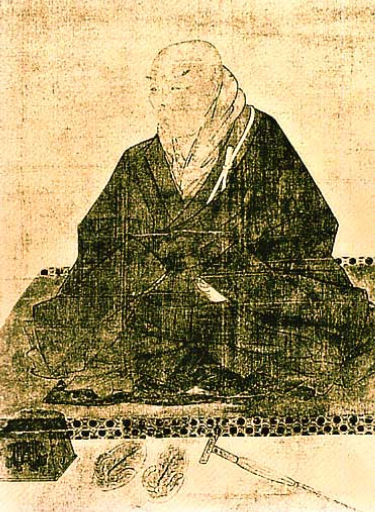
Kurzinfo
Ein ins Exil verbannter japanischer buddhistischer Erneuerer, der die Erlösung durch das Gelübde des Amida-Buddha lehrte und damit eine bis heute lebendige Reines-Land-Frömmigkeit prägte.
Gesprächseinstiege
Lebensweg
Shinran wurde in einer Phase politischer Unruhen geboren, die auf den Niedergang des Heian-Hofes und den Aufstieg der Kriegerherrschaft folgten. Der Überlieferung nach kam er in Kyoto zur Welt, wo aristokratische Kultur und buddhistische Institutionen das Leben der Elite prägten.
Nach dem Verlust naher Familienangehöriger wurde Shinran schon in jungen Jahren auf einen religiösen Weg geführt. Die Unsicherheit der Genpei-Zeit verstärkte sein Empfinden für Vergänglichkeit und die Dringlichkeit geistiger Zuflucht.
Er erhielt die Novizenordination im Shoren-in, einem mit der kaiserlichen Familie verbundenen Tempel und Zentrum der Tendai-Führung. Dieser formale Schritt band ihn an strenge klösterliche Disziplin und die gelehrte Welt rund um den Berg Hiei.
Shinran wurde innerhalb des Tendai-Establishments am Berg Hiei ausgebildet, wo Meditation, Regeln und Lehrstudium streng organisiert waren. Trotz jahrelanger Bemühung beschrieb er später, er habe sich außerstande gefühlt, durch selbstgetragene Praxis Befreiung zu erlangen.
In einer Krise über seine geistigen Aussichten absolvierte Shinran ein langes Retreat im Rokkaku-do, einem Kyoter Tempel, der mit Prinz Shotoku verbunden ist. Er suchte durch Gebet und Versenkung Führung und bereitete sich darauf vor, mit etablierten Erwartungen zu brechen.
Shinran begegnete Honen und trat in dessen Kreis ein, wobei er die ausschließliche Nembutsu-Praxis als Weg für das Zeitalter des Verfalls übernahm. Honens Gemeinschaft zog Mönche und Laien gleichermaßen an, stellte ältere Hierarchien in Frage und provozierte Gegenwehr der Obrigkeit.
Innerhalb von Honens Bewegung studierte Shinran zentrale Reines-Land-Sutren und chinesische Kommentare von Meistern wie Shandao. Er schärfte seine Betonung der "anderen Kraft" des Amida-Buddha und stellte sie dem Vertrauen auf eigene asketische Leistung gegenüber.
Im Jahr 1207 bestrafte der Kyoter Hof Honens Gruppe nach Vorwürfen sozialer Unruhe und lehrmäßiger Gefährdung. Shinran wurde aus dem Mönchsstand entfernt, erhielt einen weltlichen Namen und wurde aus der Hauptstadt fortgeschickt, während eine breitere Unterdrückung der Reines-Land-Anhänger einsetzte.
Shinran wurde nach Echigo verbannt, weit entfernt von elitären Tempeln und höfischer Patronage, und lebte dort unter Bauern und lokalen Beamten. Die Erfahrung bestärkte ihn in der Überzeugung, dass Befreiung für gewöhnliche Menschen zugänglich sein müsse, nicht nur für klösterliche Spezialisten.
Während des Exils oder kurz danach heiratete Shinran Eshinni, die seine lebenslange Partnerin wurde und später durch ihre Briefe eine wichtige Zeugin seines Lebens war. Indem er eine Ehe einging und Kinder großzog, verkörperte er seine Lehre, dass Glaube auch im Haushaltsleben gedeihen kann.
Nach einer allgemeinen Begnadigung, die ihm erlaubte, das Exil zu verlassen, kehrte Shinran nicht in den traditionellen Mönchsstand zurück. Er setzte sein Wirken als jemand fort, der sich als "weder Mönch noch Laie" verstand, und konzentrierte sich darauf, den Nembutsu-Glauben zu vermitteln statt kirchlichen Rang wiederherzustellen.
Shinran zog in den Osten Japans, wo neue Siedlungen und die Verwaltung durch Krieger andere religiöse Bedürfnisse als in Kyoto hervorbrachten. In der Kanto-Region lehrte er gemischte Gemeinschaften aus Bauern und lokalen Führungsfiguren und bildete dauerhafte Netzwerke von Anhängern.
Shinran verfasste das Kyogyoshinsho, um den Reines-Land-Glauben in Schriftquellen und maßgeblichen Kommentaren zu verankern. Das Werk systematisierte seine Sicht, dass "wahres Anvertrauen" aus Amidas Gelübde entsteht, nicht aus selbst erzeugtem Verdienst oder klösterlicher Disziplin.
Um Menschen jenseits gelehrter Kreise zu erreichen, dichtete Shinran japanische Hymnen, die die Lehre in einprägsame Verse fassten. Diese Lieder priesen den Amida-Buddha und die Meister des Reinen Landes und übersetzten komplexe Ideen in eine Sprache, die für gemeinsames Singen und Hingabe geeignet war.
Im hohen Alter kehrte Shinran nach Kyoto zurück und korrespondierte mit Schülern in Ostjapan, um Streitfragen zu klären und Lehren zu präzisieren. In seinen Briefen betonte er Demut, Dankbarkeit und standhaftes Vertrauen auf Amida, auch inmitten innerer Spannungen.
Shinran starb in Kyoto nach Jahrzehnten einer Lehre, die die japanische Reines-Land-Frömmigkeit nachhaltig verwandelte. Seine Nachkommen und Anhänger bewahrten seine Schriften, und die späteren Honganji-Institutionen organisierten Gemeinschaften, die Jodo Shinshu in ganz Japan verbreiteten.