Quick Facts
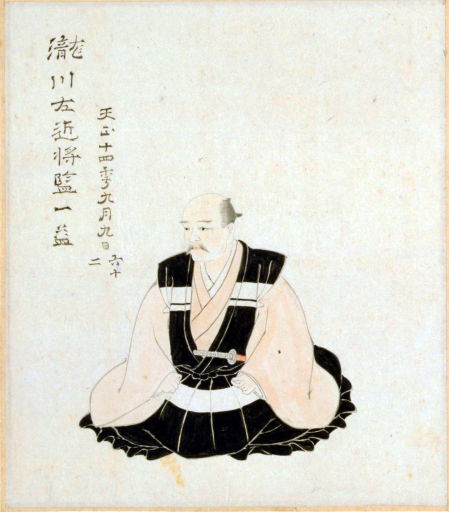
A shrewd Oda retainer who mastered frontier governance, cavalry warfare, and fragile alliances during Japan’s unification wars.
Conversation Starters
Life Journey
Born during Japan’s warring-states era, Kazumasu entered a world of shifting lordships and fortress warfare. His early life in central Japan was shaped by local conflicts that rewarded adaptable, hard-edged leadership.
As a young samurai, he learned horsemanship, archery, and the routines of garrison life that kept frontier castles supplied. These skills later suited him for Nobunaga’s fast-moving campaigns and policing duties.
Kazumasu aligned himself with Oda Nobunaga as the Oda expanded beyond Owari and sought reliable field commanders. He earned trust through disciplined service, helping integrate newly won territories into the Oda war machine.
After Nobunaga’s stunning victory over Imagawa Yoshimoto at Okehazama, the Oda consolidated power across Owari and Mikawa. Kazumasu contributed to securing roads, hostages, and outposts that prevented Imagawa resurgence.
Nobunaga’s entry into Kyoto to install Ashikaga Yoshiaki required careful logistics and control of hostile approaches. Kazumasu served in the broader coalition effort, gaining experience in campaigns tied directly to national politics.
As Nobunaga clashed with the Asakura and Azai, Kazumasu operated in a war defined by sieges, river crossings, and fragile alliances. The fighting hardened him into a commander suited for contested provinces and castle networks.
Nobunaga’s campaigns increasingly relied on intimidation and decisive punishment to break resistance and deter revolt. Kazumasu absorbed these lessons, later applying strict security measures when governing difficult districts and trade routes.
The defeat of Takeda cavalry at Nagashino reshaped the strategic balance in central Japan and encouraged Oda advances. Kazumasu benefited from the Oda’s growing authority and the expanding need for administrators in conquered lands.
In Ise, Kazumasu handled security, tax extraction, and coordination with local warrior families who could quickly turn rebellious. Managing ports and pilgrimage routes demanded both coercion and negotiation, sharpening his political instincts.
He focused on garrison readiness, road checkpoints, and the distribution of stipends to keep retainers loyal. By tightening castle oversight, he helped the Oda stabilize Ise as a valuable corridor between Kansai and eastern fronts.
Following Oda campaigns that shattered the Takeda, Nobunaga tasked Kazumasu with securing parts of the Kanto frontier. The appointment placed him near the Hojo sphere, where alliances were temporary and local loyalties volatile.
Akechi Mitsuhide’s coup and Nobunaga’s death at Honno-ji shattered the command structure that backed Kazumasu’s Kanto mission. Isolated from Oda reinforcement, he faced immediate pressure from rivals seeking to reclaim territory.
With Oda authority fractured, Hojo forces moved decisively to push back Oda-appointed governors in the east. Kazumasu suffered a serious setback at Kanagawa, losing momentum and exposing how fragile eastern control had been.
After his eastern defeat, Kazumasu pulled back and tried to preserve his remaining base and followers. He navigated the tense Oda succession politics, where Hashiba Hideyoshi and other leaders competed to inherit Nobunaga’s legacy.
As Hideyoshi consolidated authority through diplomacy and force, Kazumasu focused on survival and local stability. His experience in castle governance made him useful, even as his personal influence never fully recovered from the Kanto loss.
The late Sengoku political landscape shifted from Nobunaga’s coalition to Hideyoshi’s centralized dominance. Kazumasu adapted to the new hierarchy, prioritizing practical administration and maintaining bonds with long-time retainers.
Kazumasu died having experienced both the heights of Nobunaga’s favor and the swift reversals after Honno-ji. His legacy reflects the era’s reality: even capable commanders could be undone by political earthquakes beyond the battlefield.