Chumi
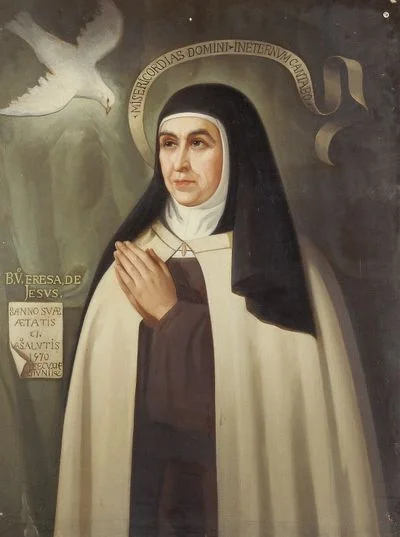
Teresa of Ávila

Teresa of Ávila

Carmelite nun

Start Chat

AI Personality

Quick Facts

Reformer of the Carmelite Order
Doctor of the Church
Author of 'The Interior Castle'

Life Journey

1515Born in Avila to a noble family

Teresa de Cepeda y Ahumada was born into a prosperous converso family. Her grandfather was a Jewish convert who had been publicly humiliated by the Inquisition, a secret that shaped her family's intense piety.

1522Ran away seeking martyrdom among the Moors

Inspired by tales of saints and martyrs, young Teresa and her brother Rodrigo ran away from home hoping to be killed by Moors and become martyrs. An uncle found them and brought them back home.

1528Death of her mother Beatriz

Teresa's mother died when she was just thirteen. Devastated, Teresa later wrote that she begged the Virgin Mary to become her mother, a moment that deepened her spiritual devotion forever.

1531Sent to Augustinian convent for education

Her father sent Teresa to the Augustinian convent of Santa Maria de Gracia for education after she became romantically attached to a young man. This began her formal introduction to religious life.

1535Entered the Carmelite Monastery of the Incarnation

Against her father's wishes, Teresa secretly left home and entered the Carmelite convent. She took the habit the following year, beginning her life as a nun despite initial struggles with prayer.

1538Suffered serious illness that left her paralyzed

Teresa became gravely ill with malaria and suffered seizures so severe she was thought dead. She remained partially paralyzed for three years, an experience that intensified her interior spiritual life.

1554Second conversion before statue of wounded Christ

Teresa experienced a profound spiritual conversion upon seeing a statue of the wounded Christ. She later described this as the moment her soul finally surrendered completely to God's will.

1559Began experiencing mystical visions and raptures

Teresa began experiencing intense mystical phenomena including visions, voices, and spiritual raptures. Initially fearing demonic deception, she eventually found spiritual directors who confirmed the divine origin.

1560Vision of the Transverberation of her heart

Teresa experienced her famous vision of an angel piercing her heart with a golden spear tipped with fire. This transverberation became one of the most celebrated mystical experiences in Christian history.

1562Founded first reformed convent of San Jose

Despite fierce opposition from city officials and religious authorities, Teresa established St. Joseph's Monastery as the first house of the Discalced Carmelites, returning to strict observance of the primitive Rule.

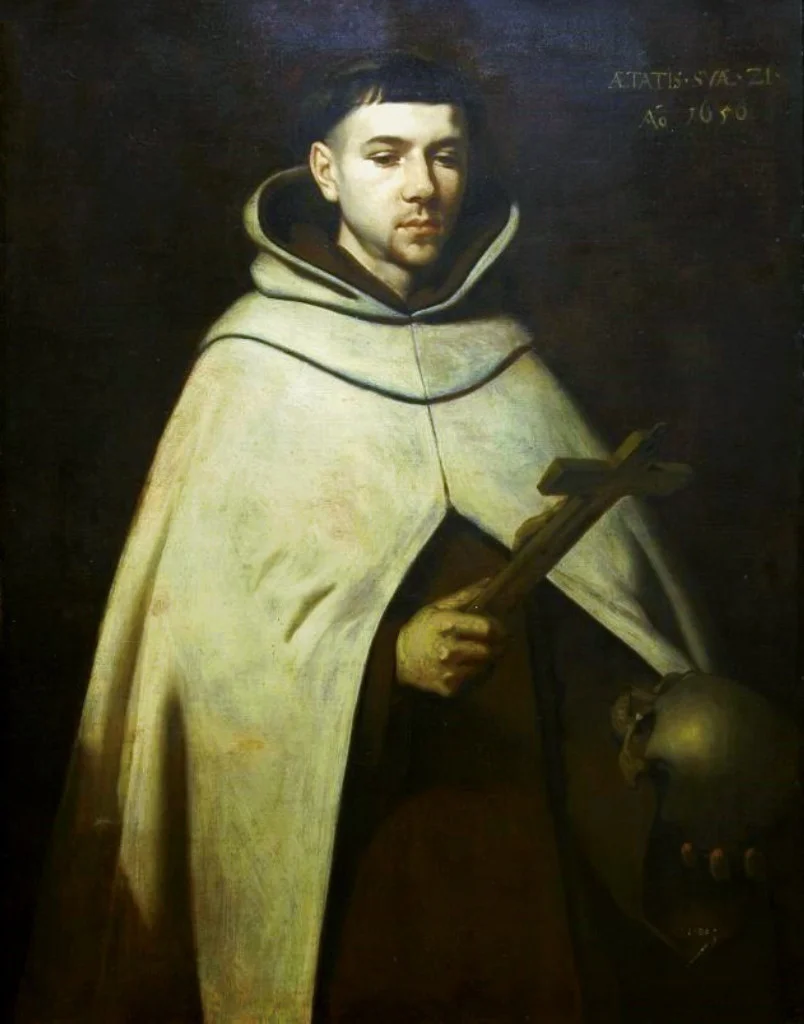
1567Met John of the Cross and began reform of friars

Teresa met the young Carmelite friar John of the Cross, convincing him to join her reform movement. Together they would transform the entire Carmelite Order, founding houses across Spain.

1568Wrote The Way of Perfection for her nuns

Teresa completed her spiritual treatise teaching her nuns how to practice mental prayer. The work became a classic of Christian spirituality, guiding contemplatives for centuries to come.

1570Composed Interior Castle describing the soul's journey

Teresa wrote her masterpiece describing the soul as a crystal castle with seven mansions, each representing stages of spiritual development. This work became the definitive guide to Christian mystical theology.

1575Ordered to cease founding new convents

The Carmelite provincial ordered Teresa to stop her reform activities and choose a convent to remain in permanently. Despite this setback, she used the time for writing and deepening prayer.

1577Wrote autobiography of her spiritual experiences

Teresa completed The Book of Her Life, detailing her conversion, mystical experiences, and founding of the reformed Carmelites. Written under orders from confessors, it became a spiritual autobiography.

1580Discalced Carmelites recognized as separate province

Pope Gregory XIII officially recognized the Discalced Carmelites as an independent province of the Order. This represented the triumph of Teresa's reform after decades of struggle and opposition.

1582Final foundation journey despite failing health

Though suffering from various illnesses, Teresa undertook one final journey to supervise her convents. Her dedication to her nuns remained undiminished even as her body weakened.

1582Died speaking of God's mercy

Teresa died surrounded by her nuns, her last words praising God's mercy. She had founded seventeen convents and transformed Catholic spirituality. Canonized in 1614, she was named Doctor of the Church in 1970.

Chat