Quick Facts
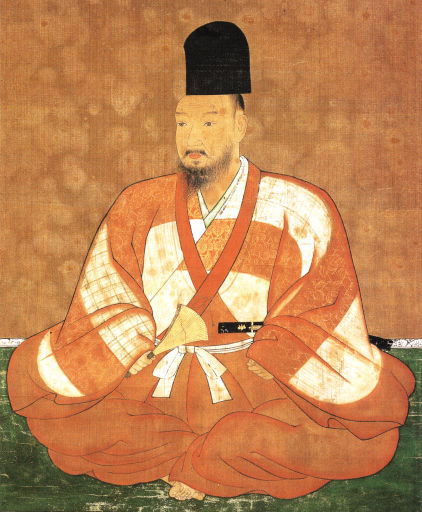
A cautious second shogun who consolidated Tokugawa rule, enforced rigid order, and curtailed rival daimyo power nationwide.
Conversation Starters
Life Journey
Born as the third son of Tokugawa Ieyasu and Lady Saigō in the Tokugawa household during the Sengoku upheavals. His upbringing was shaped by constant warfare and the family’s drive to unify Japan under disciplined rule.
After Toyotomi Hideyoshi’s victory over the Hōjō clan, Ieyasu was transferred to the Kantō and built a new base at Edo. Hidetada grew up as the Tokugawa repositioned their administration and finances around the eastern provinces.
Hidetada was increasingly treated as the successor within the Tokugawa leadership, as elder brother Nobuyasu had been executed earlier for political reasons. Senior retainers began training him in council procedure, land surveys, and command etiquette.
He married Oeyo, niece of Oda Nobunaga and daughter of Azai Nagamasa, strengthening Tokugawa legitimacy among former Oda allies. The marriage later produced key heirs, including Tokugawa Iemitsu, anchoring the shogunal succession.
Leading a force toward Mino, Hidetada was drawn into the siege of Ueda Castle against Sanada Masayuki and arrived late to Sekigahara. The absence angered Ieyasu and became a lasting lesson for Hidetada about obedience and timing in coalition war.
When Ieyasu received the title of shogun, the Tokugawa bakufu took formal shape with Edo as its center. Hidetada gained deeper involvement in appointments, revenue administration, and supervision of key daimyo families.
Ieyasu abdicated the shogunal title to Hidetada, creating a dual-power arrangement where the retired shogun still guided strategy. The move signaled that the Tokugawa intended a stable hereditary regime rather than a single-warrior dominance.
Hidetada expanded administrative routines for taxation, castle regulation, and vassal discipline to reduce the autonomy of powerful lords. He relied on trusted fudai daimyo and senior councillors to standardize governance across the realm.
Hidetada accompanied Ieyasu to Kyoto for a carefully staged encounter with Toyotomi Hideyori, the remaining symbol of Toyotomi legitimacy. The meeting underscored Tokugawa supremacy while revealing lingering tensions centered on Osaka Castle.
As shogun, Hidetada took a leading role in the campaign against Toyotomi loyalists entrenched in Osaka Castle. The conflict tested the new regime’s military unity and aimed to eliminate the last major alternative center of authority.
Tokugawa forces captured Osaka Castle and the Toyotomi house collapsed, with Hideyori and Yodo-dono dying as the stronghold fell. The victory allowed Hidetada to impose national rules on castles and hostages without fear of unified resistance.
Hidetada promulgated the Buke shohatto, laying out strict expectations for daimyo conduct, military readiness, and courtly behavior. The edicts helped transform violent competition into regulated hierarchy, reinforcing Edo as the center of authority.
With Tokugawa Ieyasu’s death, Hidetada became the undisputed head of the shogunate without the shadow of the retired founder. He consolidated decision-making among bakufu councils and tightened control of strategic domains and key ports.
Building on earlier Tokugawa suspicion of foreign influence, Hidetada reinforced bans on Christian practice and ordered stricter local enforcement. These policies reflected fears of divided loyalties and helped shape the later isolationist direction of the regime.
Hidetada passed the shogunal title to his son Tokugawa Iemitsu, creating another managed transition modeled on Ieyasu’s precedent. From behind the scenes he continued to influence appointments, discipline policy, and high-level diplomacy.
Hidetada and Iemitsu led a massive procession to Kyoto, distributing gifts and confirming the shogunate’s preeminence before the imperial court. The spectacle displayed wealth, disciplined ranks, and the new political order centered on Edo authority.
Hidetada died having cemented many of the administrative and legal frameworks that kept the Tokugawa system durable. His cautious consolidation and support for Iemitsu’s succession helped set the tone for two centuries of shogunal rule.