Quick Facts
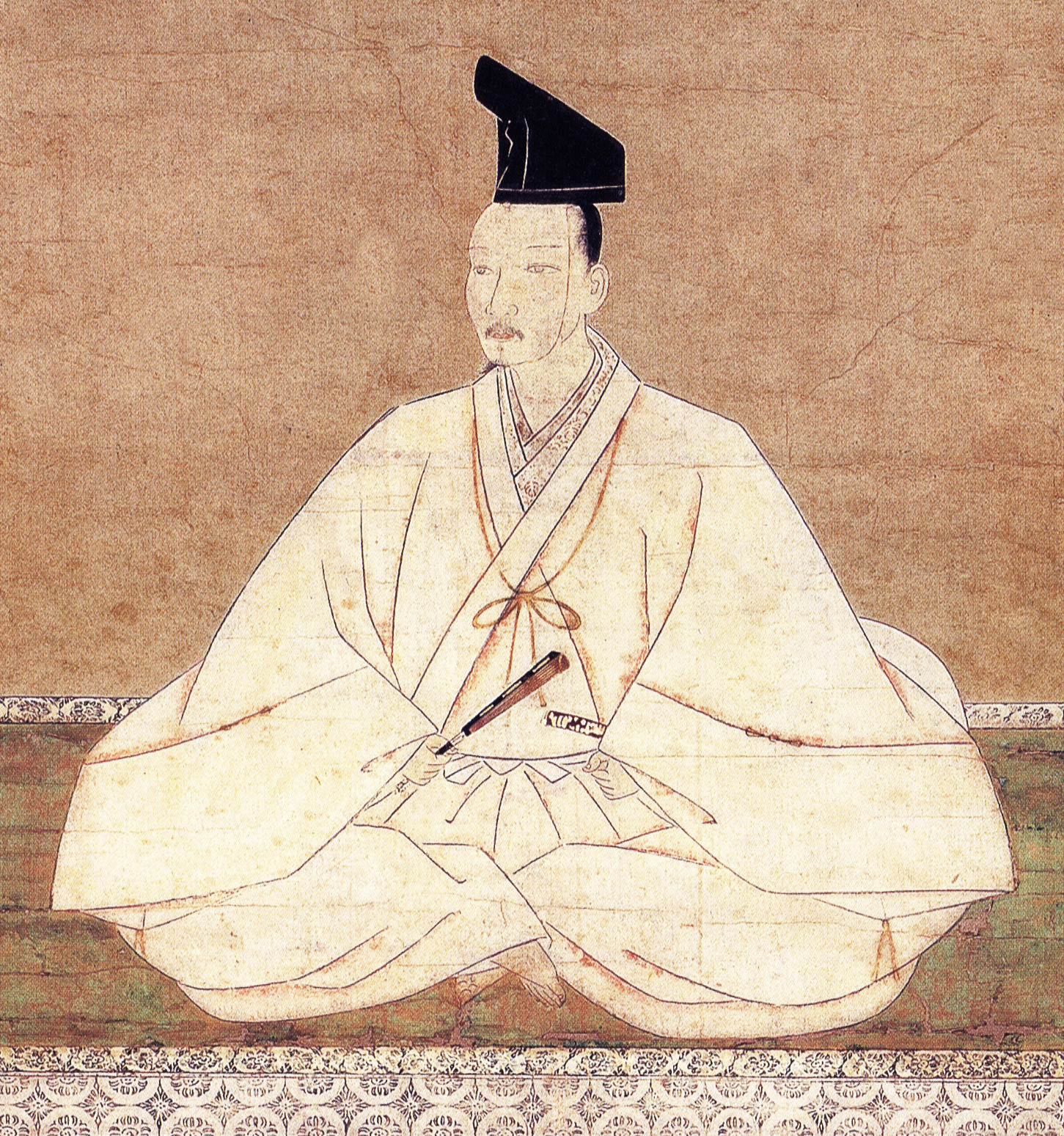
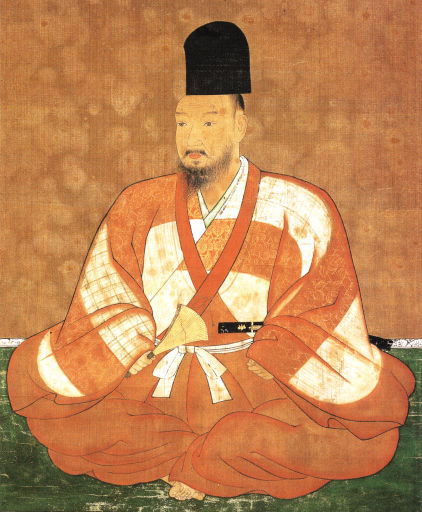
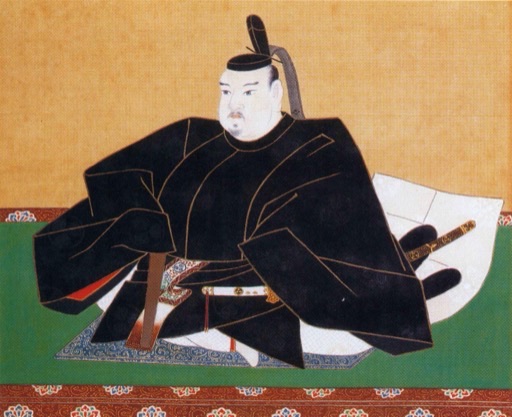
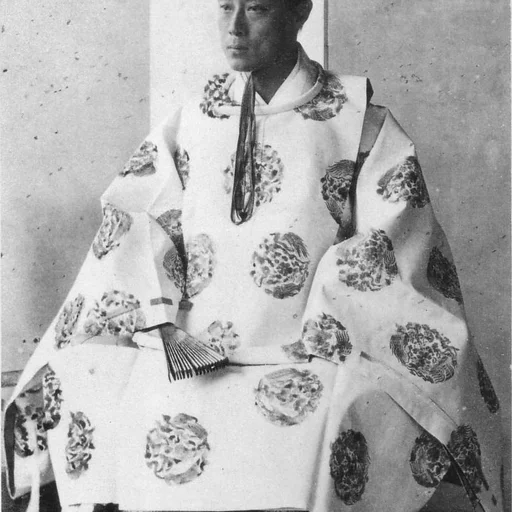
The fifteenth and last Shogun of the Tokugawa Shogunate, who made the momentous decision to restore political power to the Emperor, ending 265 years of samurai rule and ushering in modern Japan.
Conversation Starters
Life Journey
Born as the seventh son of Tokugawa Nariaki, lord of the Mito domain. The Mito branch was known for its scholarly tradition and paradoxically strong imperial loyalism despite being part of the Tokugawa family.
Adopted into the Hitotsubashi branch of the Tokugawa family, one of the three houses eligible to provide heirs to the shogunate. This positioned him as a potential future shogun.
Emerged as a leading candidate to succeed the childless Shogun Iesada. His intelligence and ability were widely recognized, but political factions opposed his succession due to his reformist tendencies.
Lost the succession battle to Tokugawa Iemochi due to the machinations of Ii Naosuke. Was placed under house arrest during the Ansei Purge, a period of political persecution against reformists.
After Ii Naosuke's assassination, Yoshinobu was rehabilitated and appointed as guardian to the young Shogun Iemochi. He became a key figure in shogunate politics during the turbulent Bakumatsu period.
Following Iemochi's death, Yoshinobu reluctantly accepted the position of Shogun. He inherited a government in crisis, facing both internal rebellion and foreign pressure to open Japan.
Initiated sweeping reforms to modernize the shogunate's military and administration with French assistance. Introduced Western-style army training and attempted to centralize government power.
Made the historic decision to voluntarily return governing power to Emperor Meiji, hoping to preserve Tokugawa influence in a new coalition government. This act ended 265 years of Tokugawa rule.
Despite his resignation, pro-shogunate forces clashed with imperial troops. After their defeat, Yoshinobu fled to Edo, effectively ending armed resistance and his political career.
Surrendered Edo Castle peacefully to imperial forces, preventing the destruction of the city. Retired to Mito and later Shizuoka, living in seclusion and avoiding politics entirely.
Moved to Shizuoka where he lived quietly for three decades. Took up photography, painting, and other hobbies, deliberately distancing himself from the political world he had left behind.
Received a full pardon from Emperor Meiji and was elevated to the rank of prince (koshaku). This recognition acknowledged his role in enabling a peaceful transition of power.
Granted the highest noble rank of duke (koshaku) and given a seat in the House of Peers. Finally returned to public life in Tokyo after decades of self-imposed exile.
Witnessed the death of Emperor Meiji, the monarch to whom he had surrendered power 45 years earlier. The Meiji era's end marked the completion of Japan's transformation into a modern nation.
Died peacefully at age 76, having lived to see Japan become a major world power. He outlived most of his contemporaries and witnessed the complete transformation of the nation he once ruled.