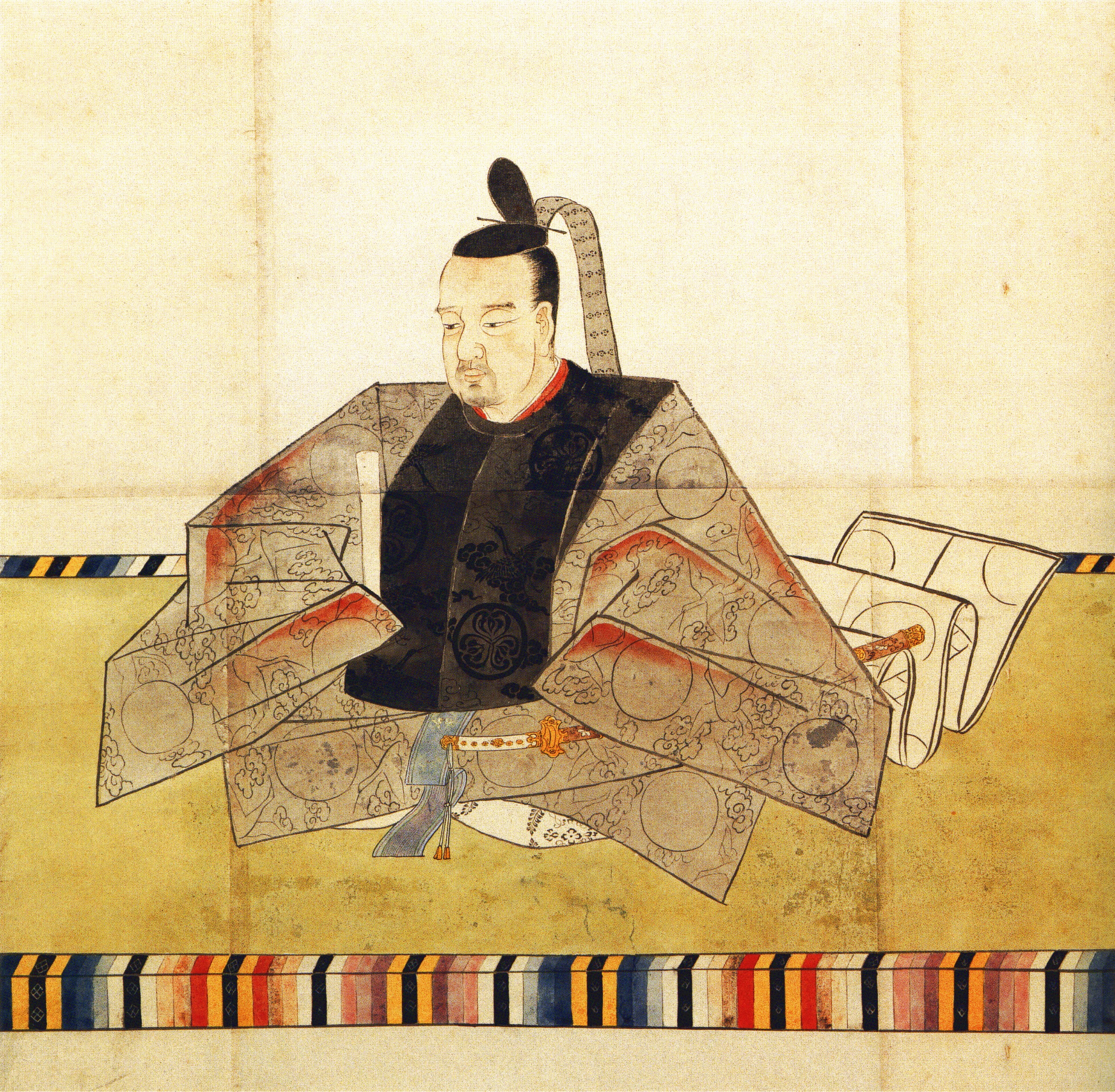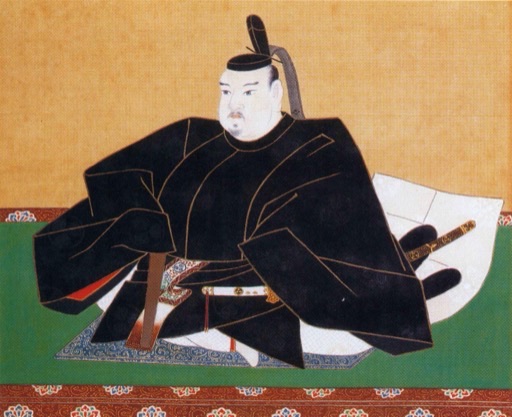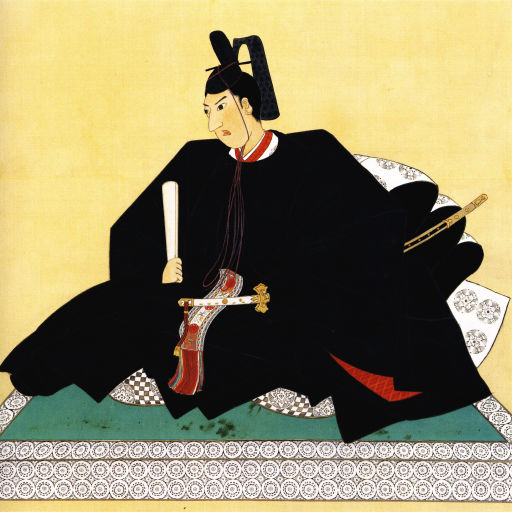
Quick Facts
A youthful shogun forced to navigate upheaval, foreign pressure, and reform amid the crumbling Tokugawa order.
Conversation Starters
Life Journey
Born as Kikuchiyo into the Kii branch of the Tokugawa family, a powerful collateral house eligible for succession. His early life unfolded in the rigid courtly-military culture of late Edo Japan, shaped by retainers and protocol.
To stabilize the Kii domain’s succession, senior retainers arranged his formal adoption within the clan’s inheritance structure. The decision reflected how daimyo politics relied on lineage management, not personal choice, in Tokugawa Japan.
He succeeded as daimyo of Kii, taking the name Tokugawa Yoshitomi, while governance was handled by guardians and chief retainers. The Kii house’s wealth and prestige made him a notable figure in shogunal succession debates.
Commodore Matthew Perry’s “Black Ships” appeared and demanded treaty relations, shaking confidence in Tokugawa authority. The crisis sharpened factional struggles among bakufu officials, daimyo, and court nobles over opening Japan.
As the Ansei succession dispute escalated, powerful councillor Ii Naosuke backed Yoshitomi over rival candidates tied to reformist daimyo. The choice tied his future to a hardline stabilization program and provoked deep resentment among opponents.
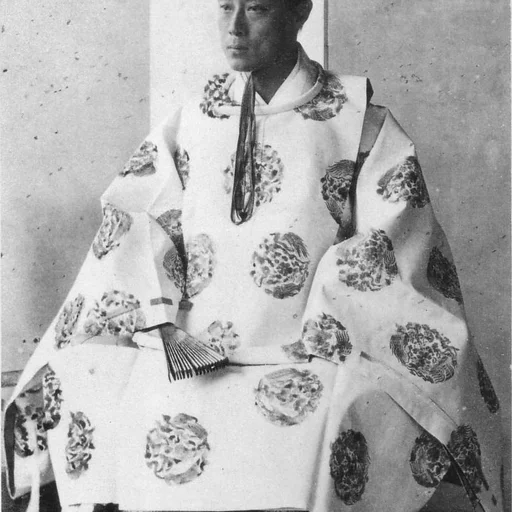
After Shogun Tokugawa Iesada’s death, he became the 14th shogun and took the name Tokugawa Iemochi. His youth meant senior bakufu figures effectively steered policy, even as legitimacy was contested by loyalist critics.
Unequal treaties such as the Harris Treaty triggered anger over tariffs and extraterritoriality, while new ports drew foreign merchants and missionaries. Anti-foreign sonnō jōi activism spread, placing the young shogun at the center of blame.
Ii Naosuke was assassinated in the Sakuradamon Incident, removing the shogunate’s strongest enforcer during a moment of crisis. The killing emboldened opponents, weakened central control, and intensified demands for court-centered legitimacy.
Bakufu leaders promoted kobu-gattai, seeking cooperation with the imperial court to contain unrest and secure authority. The strategy required concessions to Kyoto politics, bringing the Tokugawa shogunate into closer, more fragile negotiation with nobles.
He married Princess Kazu-no-Miya Chikako, a sister of Emperor Kōmei, in a landmark political marriage. The union symbolized court–bakufu cooperation, yet it also revealed how desperate the regime had become for imperial endorsement.
Iemochi traveled to Kyoto, a rare and dramatic move meant to consult Emperor Kōmei and defuse escalating violence. His presence highlighted the shifting center of power away from Edo and toward imperial politics and militant domains.
Chōshū forces fired on foreign ships in the Shimonoseki Strait, provoking retaliation by Western navies and deepening diplomatic peril. The bakufu struggled to restrain domains while avoiding war, exposing Japan’s fractured sovereignty.
After Chōshū militants clashed near the imperial palace in the Kinmon Incident, the bakufu joined allied domains to punish Chōshū. The episode linked Kyoto street violence with national policy and drove the conflict toward open civil war.
The First Chōshū Expedition mobilized shogunal and domain forces, but ended with a negotiated submission rather than decisive conquest. The compromise bought time yet failed to end resistance, while also straining bakufu finances and prestige.
Under mounting pressure, the bakufu expanded Western-style training and procurement to strengthen coastal defense and internal security. Efforts included adopting modern firearms and reorganizing units, but reforms competed with factional paralysis and debt.
Iemochi took the field during the Second Chōshū Expedition, aiming to reassert shogunal authority after Chōshū rearmed and allied with Satsuma. The campaign went poorly, and his deteriorating health undermined command at a critical juncture.
He died at Osaka Castle, widely reported as from illness, after months of political and military strain. His death paved the way for Tokugawa Yoshinobu’s succession, just as the regime faced the final slide toward the Meiji Restoration.