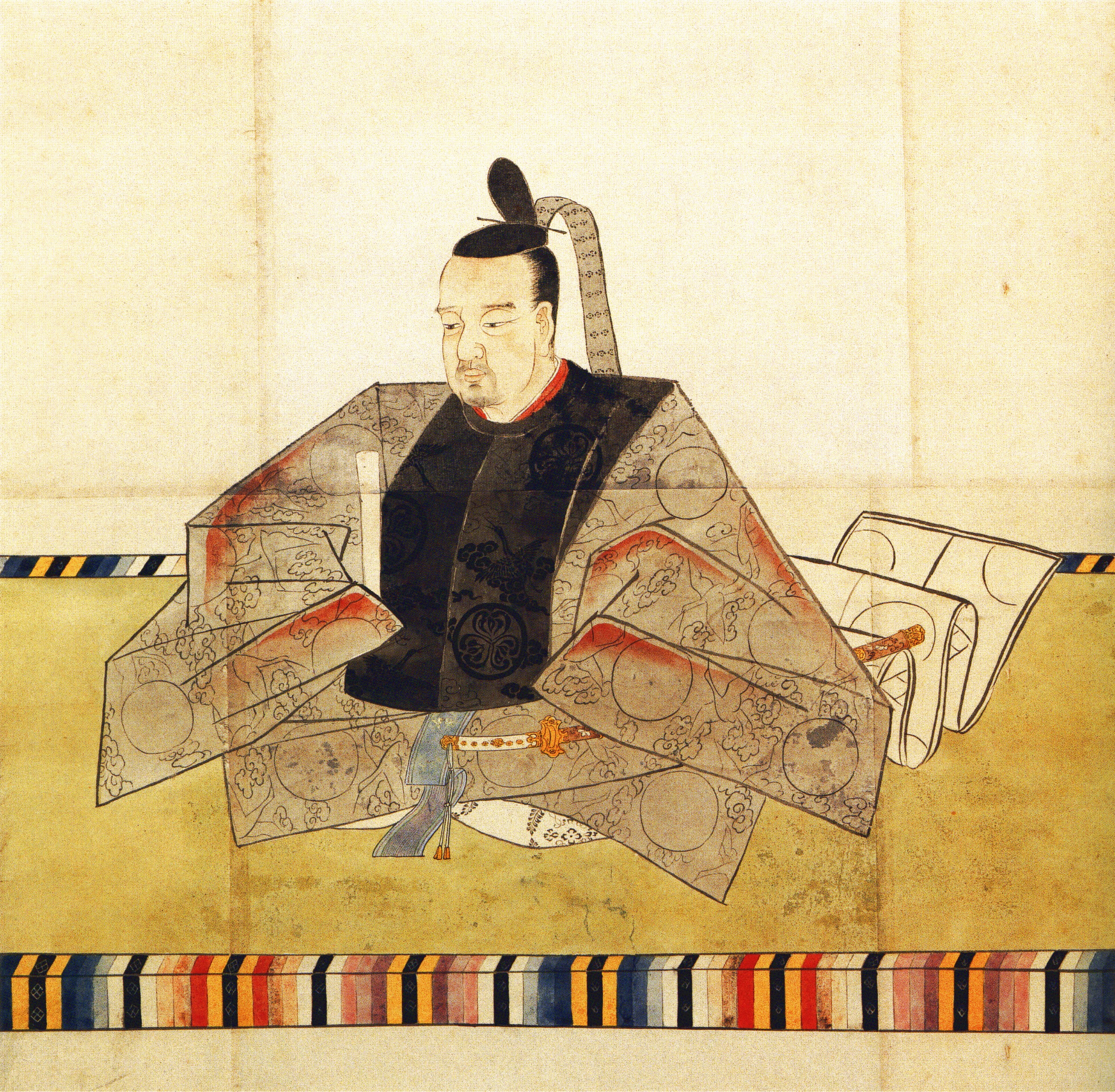
Quick Facts
An erudite Tokugawa shogun whose moral edicts, cultural patronage, and animal-protection laws reshaped Edo society and politics.
Conversation Starters
Life Journey
Born in Edo Castle to Shogun Tokugawa Iemitsu and the concubine Honjo-in. As a younger son, he was not initially expected to inherit the shogunate, but grew up within the shogunal court’s disciplined ritual world.
After Iemitsu’s death, the government was steered by senior advisers who safeguarded Tokugawa authority under young Shogun Ietsuna. Tsunayoshi’s upbringing emphasized orthodoxy, rank, and the political dangers of factional conflict.
He was established as daimyo of the Tatebayashi Domain, gaining independent revenues and a household of retainers. The post provided practical training in administration while keeping him close to the power center in Edo.
Tsunayoshi pursued Neo-Confucian learning and surrounded himself with scholar-advisers who stressed moral cultivation and orderly rule. His reputation as an unusually bookish Tokugawa prince began to take shape among Edo elites.
As daimyo, he reorganized retainers and pursued orderly governance, using law and ceremony to reinforce hierarchy. These years helped form his later tendency to govern through sweeping edicts rather than quiet negotiation.
He increased support for scholars, poets, and ritual specialists, linking political authority with refined taste. This early patronage foreshadowed the Genroku era’s urban brilliance and the shogunate’s use of culture as soft power.
When Shogun Tokugawa Ietsuna died without an heir, leading councillors selected Tsunayoshi to stabilize succession. He moved from Tatebayashi to the shogunal center, inheriting a mature bureaucracy and intense expectations of legitimacy.
He promoted Confucian-influenced policies that framed rule as a moral duty, elevating scholars and lecturing on ethical conduct. The shogun’s personal involvement in doctrine signaled a more didactic style than many predecessors.
Initial measures appeared that punished cruelty and elevated compassion as a public virtue, reflecting both ethics and political messaging. Enforcement relied on officials and informants, creating tension between ideal principles and daily life.
Under his rule, Edo and Osaka saw flourishing kabuki and puppet theater, commercial publishing, and exuberant townsman culture. By tolerating and sponsoring cultural life, the shogunate strengthened urban loyalty even amid moralizing rhetoric.
He promulgated a series of ordinances protecting animals—especially dogs—and imposing harsh penalties for harm. Large dog shelters were created and officials pressured communities to comply, fueling satire and resentment across Edo society.
Tsunayoshi backed regulations aimed at curbing extravagance and reinforcing social order during a time of booming merchant wealth. The policies reflected anxiety over status boundaries and the shogunate’s desire to police public behavior.
He increased the influence of literati and administrators who justified policy through precedent, ethics, and ritual correctness. This approach enhanced bureaucratic reach but sometimes alienated warriors who valued pragmatic military leadership.
The burdens of dog shelters, punishments, and compliance inspections became a frequent complaint among townspeople and low-ranking samurai. Critics argued resources were misallocated, while supporters portrayed compassion as a marker of civilized rule.
When Asano Naganori attacked Kira Yoshinaka inside Edo Castle, the shogunate confronted a volatile conflict between law and honor. The subsequent saga of the Forty-seven Rōnin unfolded under Tsunayoshi’s regime, defining Genroku-era morality debates.
With no surviving sons, he turned to Tokugawa Tsunatoyo of Kōfu, later known as Tokugawa Ienobu, to secure succession. The choice aimed to prevent factional turmoil and preserve Tokugawa continuity after decades of contentious governance.
The 1707 Hōei earthquake and the eruption of Mount Fuji devastated regions around Edo and Suruga, disrupting harvests and trade. The shogunate faced urgent relief and reconstruction pressures, exposing limits of centralized control over disasters.
Tsunayoshi died after nearly three decades as shogun, leaving a mixed legacy of cultural brilliance and controversial moral legislation. His successor Ienobu moved quickly to relax the most unpopular animal-protection edicts and recalibrate governance.